If you are moving to Hyde Park for the University of Chicago, the hardest part is often not deciding whether to live nearby. It is figuring out which kind of home actually fits your routine, budget, and comfort level with shared rules or maintenance. Hyde Park offers a wide mix of housing choices, and each one comes with a different day-to-day experience. This guide walks you through the main options, how they vary by area, and what to think about before you buy. Let’s dive in.
Why Hyde Park draws UChicago affiliates
Hyde Park is the University of Chicago’s home neighborhood, set along Lake Michigan about seven miles south of downtown Chicago. University materials note that many students, faculty, and staff choose to live nearby because of campus access and transit convenience.
The area is compact, roughly a mile square, which can make daily life feel manageable if you want to stay close to work, classes, or campus events. UChicago also notes that more than 60% of faculty and their families live in Hyde Park, which speaks to how closely linked the neighborhood is to the university.
Another major draw is lifestyle. Hyde Park includes access to 53rd Street retail, campus shuttle service, CTA bus connections, and the lakefront. The Chicago Park District says the Lakefront Trail runs along the shoreline here, and Promontory Point remains one of the neighborhood’s best-known outdoor spaces.
Hyde Park ownership options
For buyers connected to UChicago, Hyde Park usually comes down to four main ownership paths: condos, co-ops, townhomes, and single-family homes. University materials describe the neighborhood’s housing mix as ranging from high-rise condominiums and luxury condo conversions to walk-up co-ops, town houses, and large historic homes.
The right fit depends on more than square footage. You also need to think about governance, maintenance, parking, commute patterns, and how much flexibility you want as an owner.
Condos in Hyde Park
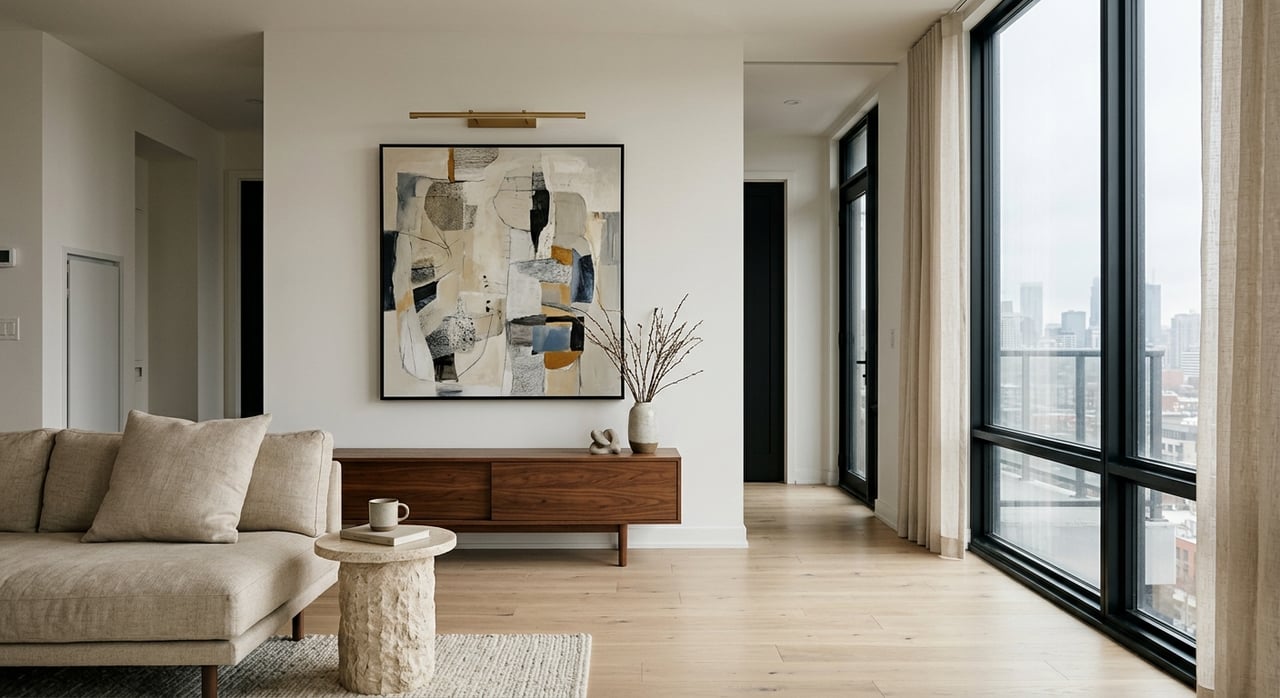
Condos are often a strong fit if you want a more familiar ownership structure with shared building operations handled through an association. Under Illinois law, condo owners hold ownership of their unit along with an interest in the common elements, and a board of managers oversees the association and common expenses.
In practical terms, that usually means you should expect monthly assessments and shared budgeting for building costs. This can simplify ownership for buyers who want less direct responsibility for exterior maintenance or common-area upkeep.
In Hyde Park, condos show up in several forms, including high-rise buildings and luxury condo conversions. East Hyde Park is especially known for a larger share of this type of housing stock, often with stronger access to the lakefront and neighborhood shopping.
Co-ops in Hyde Park
Co-ops are common enough in Hyde Park that buyers should understand how they differ from condos. Illinois law treats a residential cooperative as a not-for-profit corporation structure, where the corporation may hold title and the membership agreement and bylaws define occupancy rights and member qualifications.
That means you are typically not buying direct title to a unit in the same way you would with a condo. Instead, your rights and responsibilities are tied to the co-op’s governing documents.
For some buyers, that structure feels comfortable and clear. For others, it can require more careful review up front because the rules, approval process, and governance framework matter so much.
Townhomes in Hyde Park
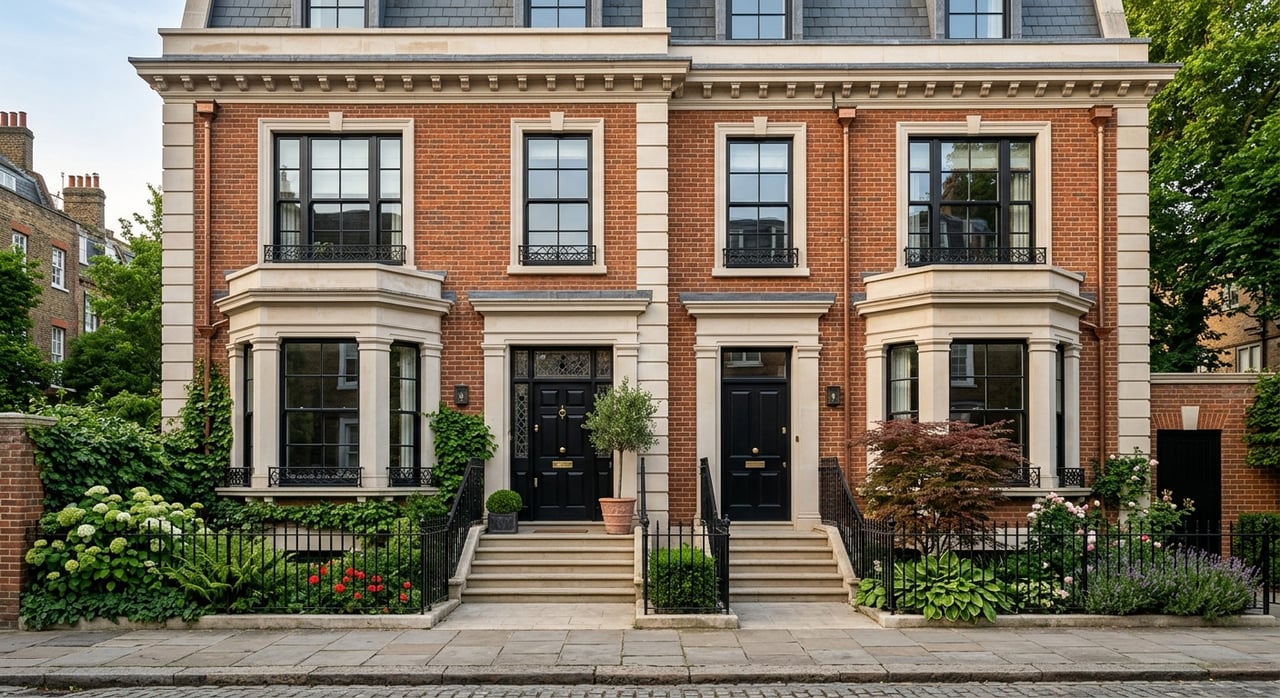
Townhomes can appeal to buyers who want more privacy, a more house-like layout, or fewer shared walls than a typical apartment-style home. University materials confirm that town houses are part of Hyde Park’s housing mix.
That said, a townhome does not always mean fully independent ownership in the way some buyers assume. Under Illinois law, attached or detached townhomes can be part of a common interest community, and the governing declaration may create shared obligations for maintenance, insurance, or taxes.
So if you are considering a townhome, it is important to look beyond the exterior style. You will want to understand whether there is an association, what it covers, and what your ongoing responsibilities would be.
Single-family homes in Hyde Park
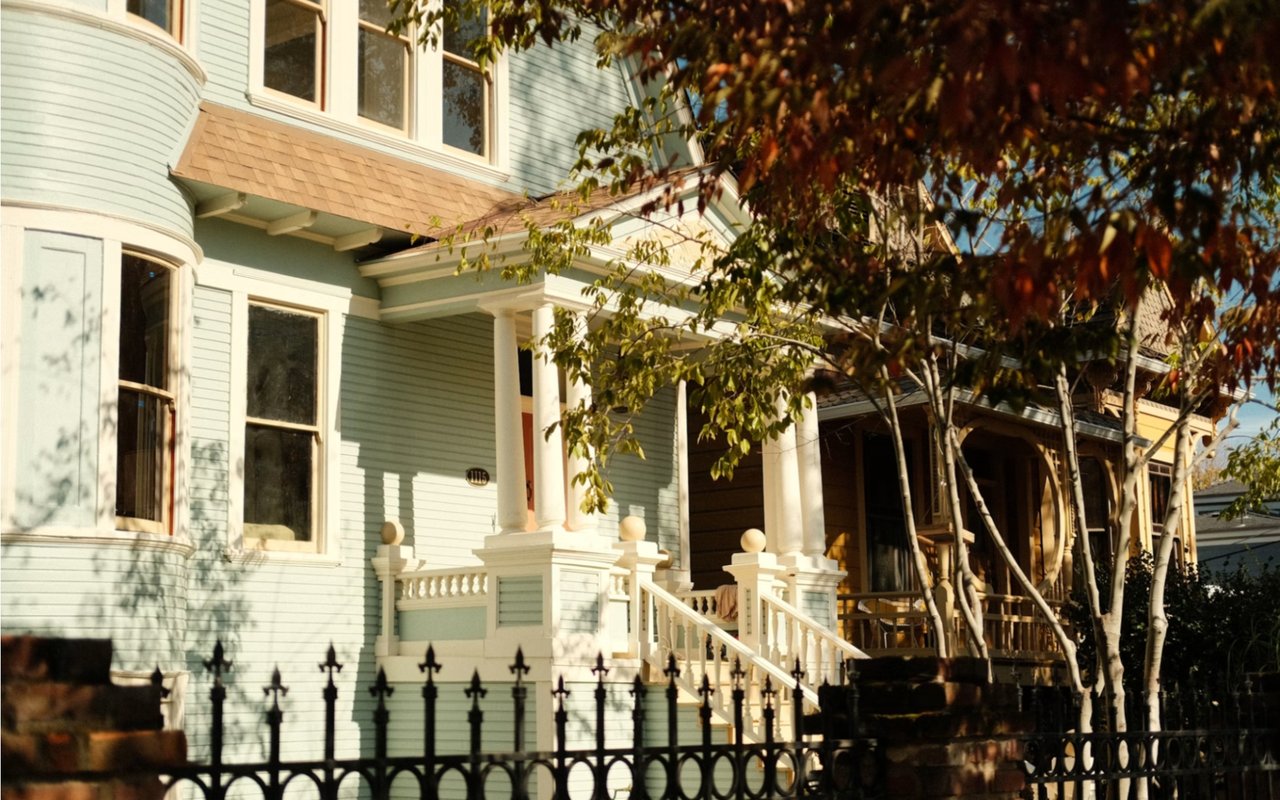
Hyde Park and the broader Hyde Park-Kenwood area also include large single-family homes, landmark homes, and occasional converted coach houses. This part of the market often appeals to buyers who want more interior space, architectural character, or a more traditional residential setup.
University materials note that Hyde Park escaped the Great Chicago Fire, which helps explain why some of the city’s oldest houses remain in the neighborhood. That history gives parts of the area a distinct housing character that is hard to replicate elsewhere in Chicago.
Still, single-family does not always mean simple. Some homes may sit within a common interest community, and landmark status can add another layer of review for exterior changes.
How housing changes by area
One of the most important things to understand about Hyde Park is that the housing stock can change noticeably from one section to another. For UChicago affiliates, that matters because your preferred home type may line up closely with your ideal walk to campus or daily routine.
East Hyde Park
East Hyde Park contains much of the neighborhood’s luxury and high-rise inventory. It is closer to Lake Michigan and often attracts buyers who value lake access, taller buildings, and stronger access to shopping and transit.
According to UChicago materials, the typical walk to campus from East Hyde Park is about 15 to 25 minutes. Those same materials also note that street parking is limited there, which can be important if you plan to keep a car.
Central and West Hyde Park
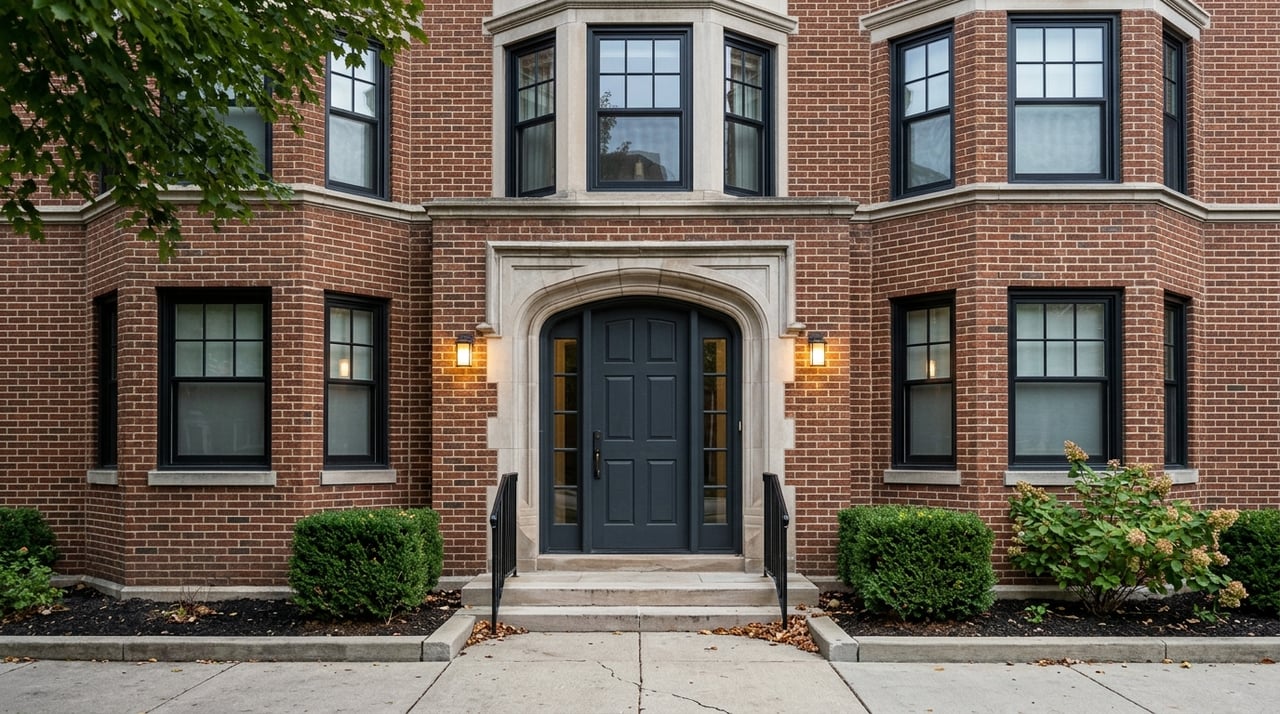
Central and West Hyde Park more often feature older walk-up buildings. These areas are typically closer to campus, with walks in the 5 to 15 minute range according to University materials.
If your top priority is an easy campus commute, these sections may deserve extra attention. UChicago also notes that street parking can be somewhat easier here than in East Hyde Park, though availability still varies widely.
North Hyde Park and South Kenwood
North Hyde Park and nearby South Kenwood include a mix of apartments, landmark homes, and occasional converted coach houses. Buyers interested in architectural history or lower-density residential blocks often pay close attention to this area.
If you are considering an older or designated landmark property, it is worth knowing that the City of Chicago’s Landmarks Commission says landmark designation provides legal protection and may require additional review for exterior changes. That does not make these homes less desirable, but it does mean you should go in with a clear understanding of what ownership may involve.
What matters most for UChicago buyers
Most UChicago-affiliated buyers are balancing the same few questions. The details of the home matter, of course, but daily logistics often drive the final decision.
Campus access and transportation
For many buyers, the first question is simple: how easy is it to get to campus? Hyde Park’s compact layout helps, and UChicago notes that daytime CTA buses and University shuttle service support the local street grid.
The University also says that NightRide routes begin on campus and any Hyde Park location is within two blocks of a shuttle stop. If you expect early starts, late nights, or variable hours, that can make a real difference in how flexible your housing search feels.
The neighborhood is also considered practical for walking and biking. University materials note that biking is possible almost year-round, which may matter if you want to expand your search without adding a car commute.
Parking realities
Parking is another issue that tends to shape expectations quickly. UChicago says street parking varies widely across Hyde Park, and very few buildings offer off-street parking.
That makes parking less of an afterthought than in some other neighborhoods. If you own a car, the right building or block may matter just as much as the right floor plan.
Governance and shared obligations
This is where many buyers benefit from slowing down. In Hyde Park, the difference between a condo, co-op, townhome, or single-family property is not just style. It affects how decisions are made, how costs are shared, and how much control you have over the property.
Here is a simple way to think about it:
- Condo: Shared building governance, common expenses, and association oversight
- Co-op: Rights shaped by membership documents and bylaws rather than direct unit title
- Townhome: May include association obligations depending on the community structure
- Single-family home: Often offers more autonomy, but some homes may still fall within a common interest community or have landmark-related review considerations
How to choose the right fit
If you are deciding between Hyde Park housing options, start with your day-to-day life rather than with the prettiest listing photos. The best choice is usually the one that supports your routine with the fewest surprises.
Ask yourself:
- How often will you walk to campus?
- Do you want a shorter commute or stronger lakefront access?
- Will you need reliable parking?
- Are you comfortable with association rules or co-op governance?
- Do you want a more hands-off ownership experience, or more control over the property?
For many UChicago affiliates, the decision becomes clearer once those answers are on paper. A condo may be the easiest fit if you want predictable shared management. A co-op may work if you are comfortable reviewing structure and rules carefully. A townhome or single-family home may make more sense if privacy, layout, or architectural character matters most.
Hyde Park is not a one-size-fits-all neighborhood, and that is part of its appeal. You can find a home that matches how you actually live, whether that means a high-rise near the lake, a walk-up closer to campus, or a historic house on a quieter residential block.
If you are weighing Hyde Park housing options and want a clear, tailored strategy, Jonathon Spradling offers a polished, consultative approach built around your goals, timeline, and day-to-day priorities.
FAQs
What housing types are available in Hyde Park for UChicago affiliates?
- Hyde Park includes condos, co-ops, townhomes, rental apartments, and single-family homes, with housing stock ranging from high-rises and luxury conversions to walk-up buildings and historic houses.
How far is Hyde Park from the University of Chicago campus?
- It depends on the section of the neighborhood. UChicago materials say East Hyde Park is usually a 15 to 25 minute walk to campus, while central and west Hyde Park are usually about 5 to 15 minutes away on foot.
What is the difference between a Hyde Park condo and co-op?
- In a condo, you own the unit plus an interest in common elements, while in a co-op, occupancy rights are typically defined by the cooperative corporation’s membership documents and bylaws rather than direct unit title.
Are Hyde Park townhomes and single-family homes always independent ownership?
- No. Under Illinois law, some townhomes and even some single-family homes can be part of a common interest community, so shared obligations may still apply depending on the recorded governing documents.
Is parking easy in Hyde Park near UChicago?
- Not always. UChicago says street parking varies widely by area and that very few buildings offer off-street parking, so parking should be part of your search criteria if you plan to keep a car.
Are landmark homes in Hyde Park subject to extra rules?
- Yes. The City of Chicago’s Landmarks Commission says landmark designation provides legal protection, and exterior changes to a landmarked building or district may require additional review.