By Spradling | Roberts Team
Lincoln Park and Old Town sit side by side on Chicago's North Side, share a border along North Avenue, and attract buyers with overlapping priorities — yet they deliver meaningfully different living experiences. Understanding the Lincoln Park vs Old Town Chicago neighborhood distinction is less about which is better and more about which one fits how you actually want to live.
Key Takeaways
- Lincoln Park and Old Town share strong walkability and architectural character, but differ significantly in scale, density, and lifestyle orientation
- Lincoln Park's lakefront access and family infrastructure give it a distinct advantage for buyers with children or those who prioritize outdoor recreation
- Old Town's tighter urban density, entertainment corridor, and lower entry price point appeal to buyers who want maximum city energy at a more accessible cost
- Understanding both neighborhoods at the block level is the clearest advantage any buyer can bring to this decision
Neighborhood Character and Scale
Lincoln Park is the larger of the two neighborhoods, spanning a broader residential footprint with more varied block-by-block character.
How Lincoln Park and Old Town Differ in Character
- Lincoln Park's scale creates distinct micro-neighborhoods — the quiet interior blocks west of Clark feel meaningfully different from the denser streets near the commercial corridors
- Old Town is more compact and cohesive, with a tighter grid that makes the neighborhood feel immediately knowable in a way that Lincoln Park's larger footprint does not
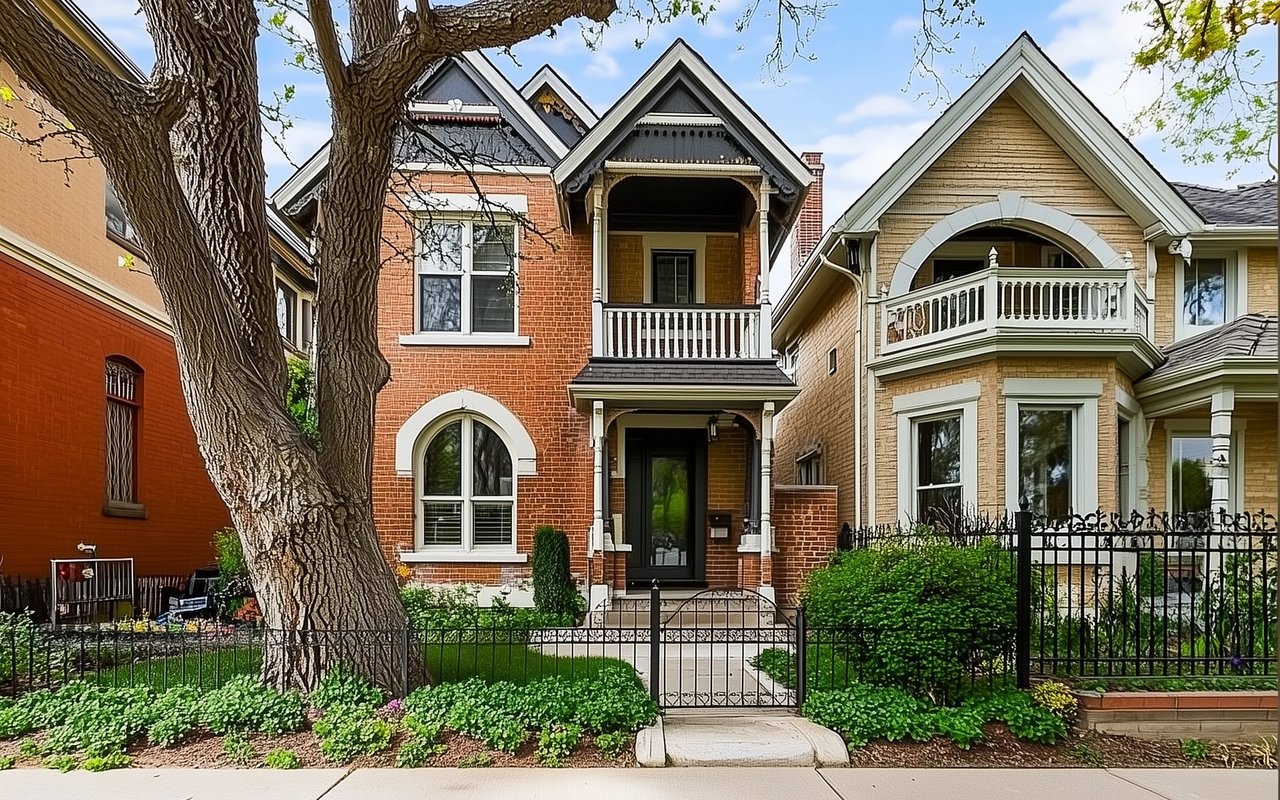
- Lincoln Park skews toward a family-oriented residential character across most of its blocks, while Old Town carries a more mixed-use, entertainment-adjacent energy, particularly along Wells Street
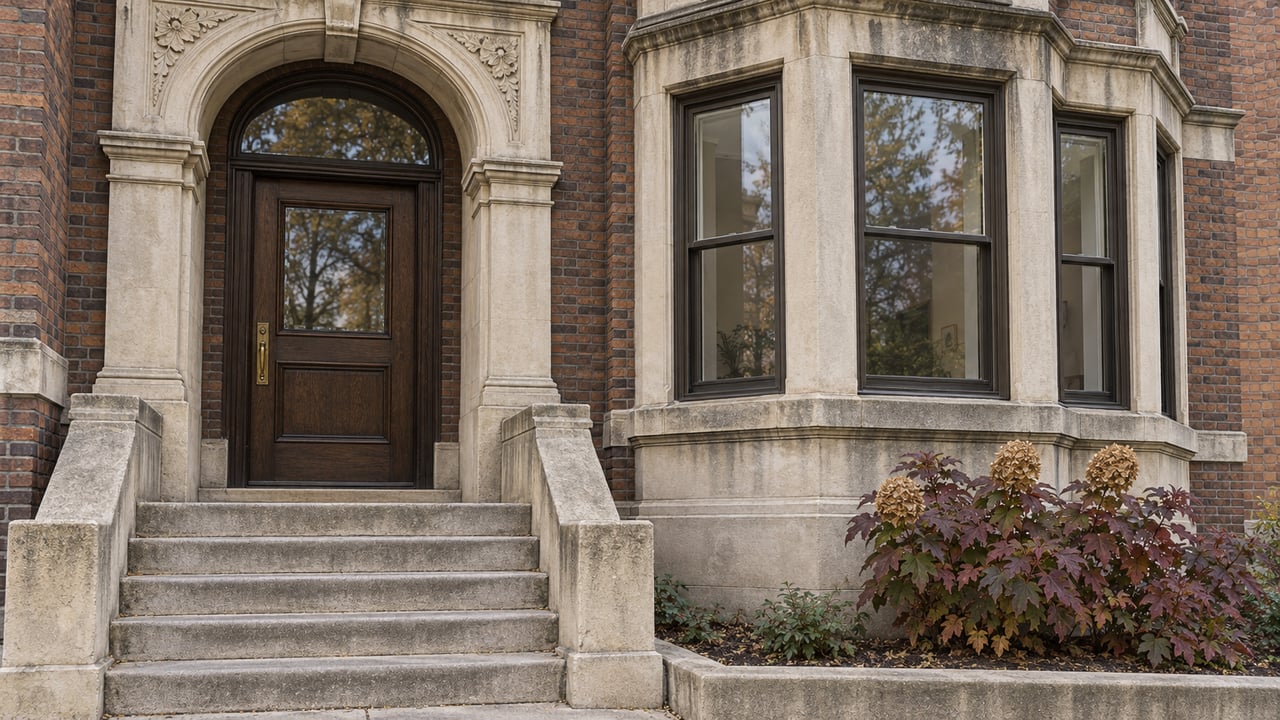
- Old Town's historic district designation protects a concentrated pocket of 19th-century architecture that gives the neighborhood one of the most visually distinctive streetscapes on the North Side
Buyers who prefer a neighborhood they can master quickly often gravitate toward Old Town's defined scale, while those who want more variety within a single community tend to find Lincoln Park's breadth more rewarding over time.
Lakefront Access and Outdoor Recreation
Lincoln Park's eastern boundary runs directly along the park and lakefront — a geographic advantage that Old Town simply cannot match.
How Lakefront Access Shapes the Lincoln Park Living Experience
- Direct walking access to Lincoln Park's 1,200 acres of green space, lakefront trail, beaches, and the Lincoln Park Zoo from most residential streets in the neighborhood
- North Avenue Beach and Fullerton Beach are within walking distance of a large share of Lincoln Park's housing stock, providing a genuine urban beach lifestyle that affects daily routines year-round
- The park's running and cycling trail connects directly to Chicago's broader lakefront path system, giving Lincoln Park residents one of the most extensive urban recreation networks in the country
- Old Town's nearest lakefront access requires crossing Lincoln Park neighborhood streets to reach the water — a walkable distance but a meaningfully different relationship with the park than Lincoln Park proper delivers
For buyers whose quality of life is tied to outdoor access and lakefront proximity, Lincoln Park's geographic position is a decisive advantage that Old Town cannot replicate.
Dining, Entertainment, and Street Life
Both neighborhoods offer strong commercial corridors, but their character and orientation differ in ways that shape the daily living experience.
What Each Neighborhood's Commercial Scene Delivers
- Lincoln Park's Armitage Avenue and Halsted Street corridors lean toward boutique retail, upscale dining, and neighborhood-oriented gathering places that suit a residential lifestyle
- Old Town's Wells Street is Chicago's most storied entertainment corridor, home to Second City, a concentration of bars and live music venues, and a nightlife energy that suits buyers who want city entertainment within walking distance
- Lincoln Park's dining scene skews toward sit-down restaurants and neighborhood bistros, while Old Town's Wells Street mix includes more casual, late-night, and entertainment-adjacent options
- Both neighborhoods offer strong independent coffee shops and café culture, but Lincoln Park's commercial density across multiple corridors gives residents more day-to-day variety within the neighborhood itself
Buyers who want to walk to a show or a comedy club lean toward Old Town — those who prioritize a quieter neighborhood dining scene with occasional entertainment access lean toward Lincoln Park.
Real Estate and Price Point
Lincoln Park and Old Town occupy adjacent but distinct positions in Chicago's North Side real estate market.
How the Two Neighborhoods Compare on Real Estate
- Lincoln Park consistently commands higher median prices than Old Town, reflecting its lakefront premium, school quality, and larger average lot and home sizes
- Old Town's more compact housing stock — including a higher proportion of condominiums and coach houses relative to single-family homes — offers lower entry price points for buyers whose budget places Lincoln Park out of reach
- Both neighborhoods carry strong long-term appreciation histories relative to the broader Chicago market, driven by architectural scarcity and sustained North Side demand
- Old Town's proximity to the Gold Coast and River North creates a different investment dynamic than Lincoln Park's more self-contained residential identity
For buyers whose budget comfortably reaches Lincoln Park, the lakefront premium and school quality typically justify the higher price point. For buyers stretching to the North Side market, Old Town delivers comparable walkability and character at a more accessible entry.
FAQs
Is Lincoln Park or Old Town better for families?
Lincoln Park generally suits families better, driven by lakefront park access, a broader selection of sought-after public and private schools, and a residential character across most blocks that prioritizes quiet streets over entertainment density.
Is Old Town cheaper than Lincoln Park?
Generally yes. Old Town's median prices run below Lincoln Park's, making it a more accessible entry point to Chicago's North Side market for buyers whose budget doesn't fully reach Lincoln Park inventory.
Can I walk between Lincoln Park and Old Town easily?
Yes. The two neighborhoods share a border along North Avenue and are entirely walkable from each other, making it practical to enjoy the amenities of both regardless of which side of the border you live on.
Choose Your North Side Neighborhood with a Team That Knows Both
The Lincoln Park versus Old Town decision is one we help buyers work through regularly — and the right answer is always specific to how you plan to live. We're the Spradling | Roberts Team, and we bring the local knowledge, market insight, and genuine attention to your personal needs that this kind of decision deserves. Whether you're buying, selling, or still figuring out where to start, we'll help you navigate the process with confidence and clarity every step of the way.
Connect with the Spradling | Roberts Team today.
Connect with the Spradling | Roberts Team today.