By Spradling | Roberts Team
Buying a historic home in Lincoln Park means entering one of Chicago's most architecturally significant residential markets — and one with a specific set of considerations that don't apply to newer construction. The neighborhood's greystones, Victorians, and courtyard buildings carry genuine character and long-term value, but they reward buyers who understand what they're taking on before they make an offer.
Key Takeaways
- Lincoln Park's historic housing stock spans several distinct architectural eras, each with its own maintenance profile and ownership considerations
- Chicago's landmark designation system carries specific restrictions that affect what owners can and cannot modify on designated properties
- Due diligence on a historic Lincoln Park home requires inspection priorities that differ meaningfully from newer construction
- Local expertise in Lincoln Park's historic blocks and designation landscape is essential for buyers evaluating this property type
Understanding Lincoln Park's Historic Architectural Character
Lincoln Park's residential streets reflect over a century of premium development, producing a layered architectural landscape that ranges from 1870s Italianate row houses to pre-war courtyard buildings.
The Primary Historic Property Types in Lincoln Park
- Greystones — Chicago's signature limestone-faced row houses built primarily between 1890 and 1930 — define many of Lincoln Park's most sought-after residential blocks
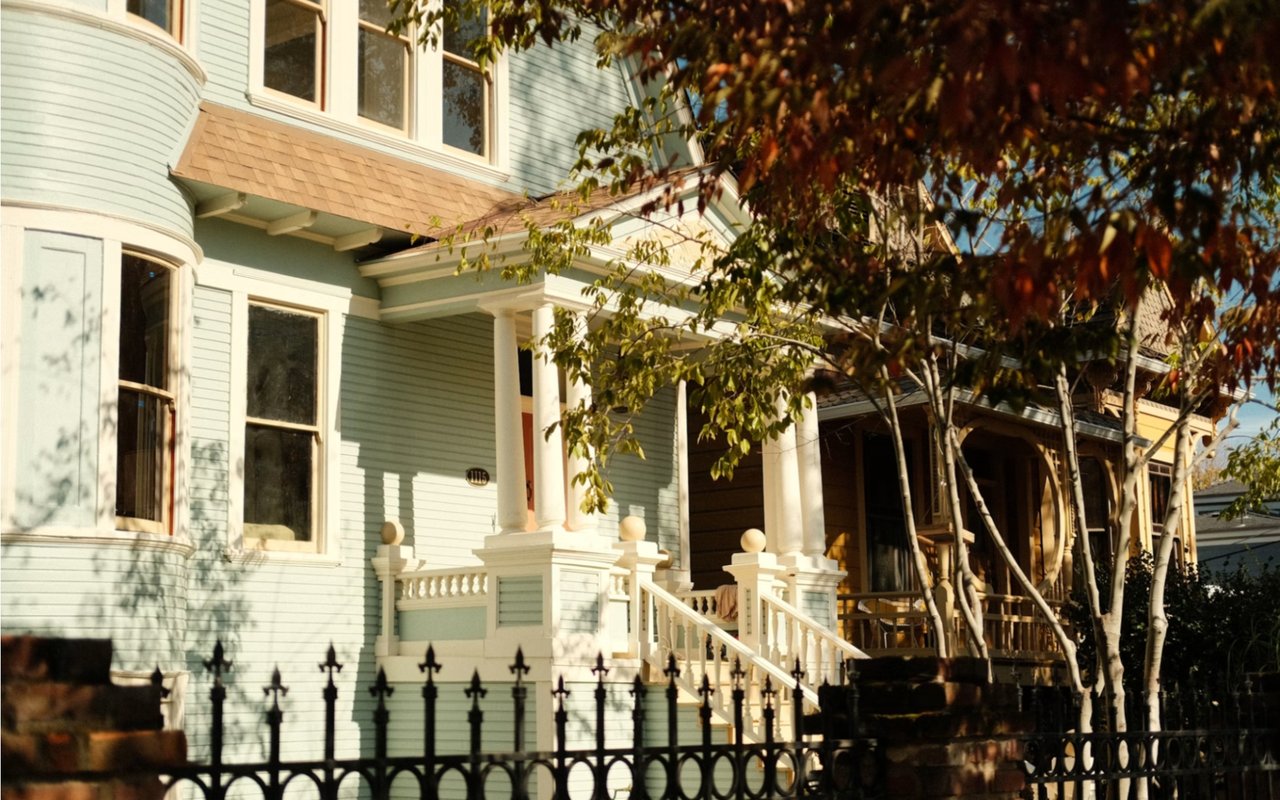
- Victorian single-family homes and two-flats on interior streets west of Clark represent the neighborhood's oldest residential fabric and most significant architectural detail
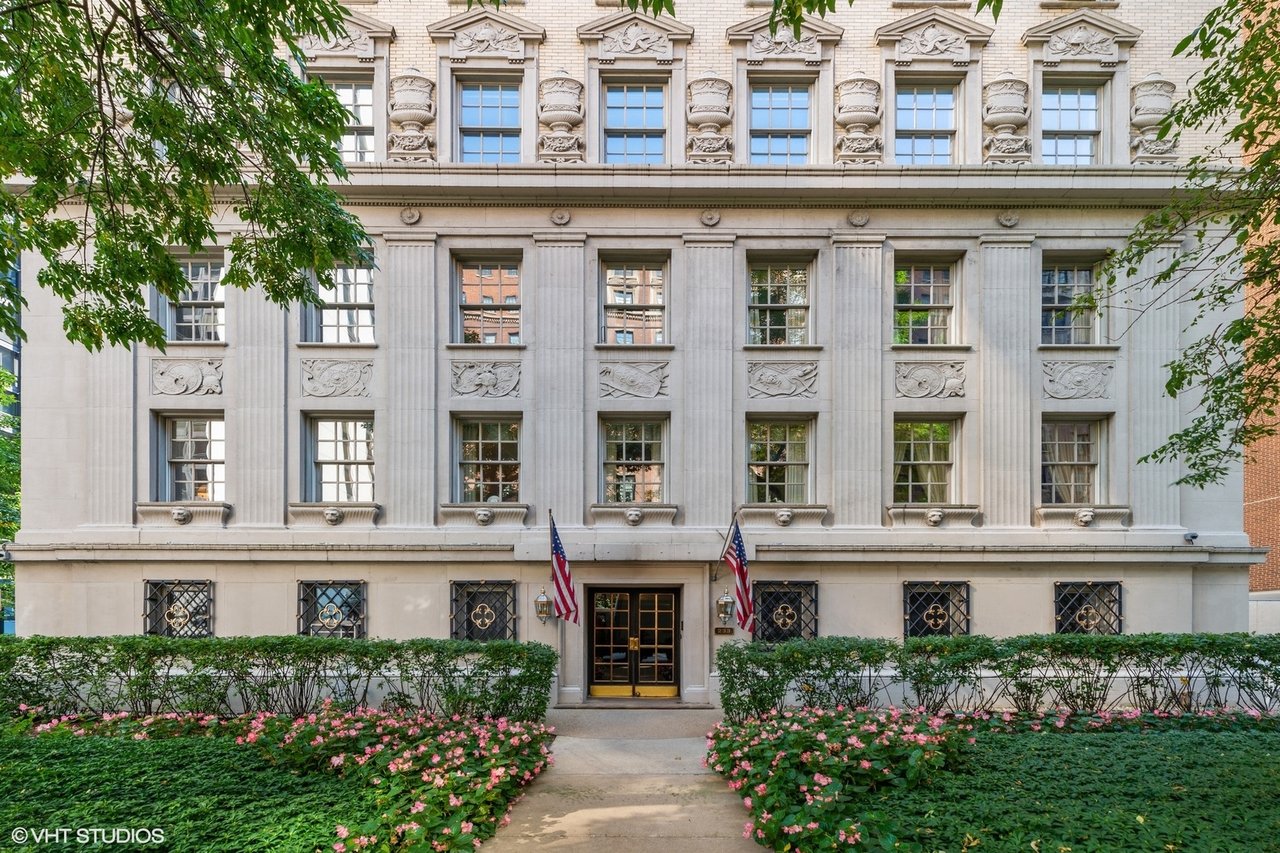
- Pre-war courtyard apartment buildings offer historic character at a different scale, with ornate lobbies, thick plaster walls, and floor plans built around natural ventilation
- Greystone and brownstone coach houses on interior alleys provide distinctive ownership at price points below the neighborhood's primary housing stock
Understanding which historic property type aligns with your lifestyle, budget, and maintenance tolerance is the essential first question to answer before your search begins.
Chicago Landmark Designation and What It Means for Owners
Chicago's landmark designation system protects historically significant properties and districts — and it carries specific implications that buyers must understand before purchasing.
What Landmark Designation Means in Practice for Lincoln Park Buyers
- Designated properties require Commission on Chicago Landmarks approval for any exterior alterations, including window replacement, facade repairs, and additions
- Interior modifications are unrestricted, meaning buyers can update kitchens, bathrooms, and mechanical systems without triggering review
- The approval process for exterior work adds time and cost to renovation projects that buyers planning improvements must budget for accurately
- Chicago's Class L property tax incentive for substantial rehabilitation of landmark buildings can meaningfully affect investment returns on qualifying properties
Confirming a specific property's designation status belongs in the earliest stage of due diligence, not the last.
Due Diligence Priorities for Historic Lincoln Park Homes
Historic homes in Lincoln Park require a more specific inspection approach than newer construction, and buyers who understand the key focus areas arrive at closing with far fewer surprises.
What to Prioritize During Inspection of a Historic Lincoln Park Property
- Foundation and basement conditions, including water infiltration and masonry deterioration — issues particularly relevant in Chicago's clay soil environment
- Original mechanical systems, including knob-and-tube wiring, cast iron plumbing, and steam radiator heating, which are functional but approaching the end of their useful life in many historic homes
- Roof condition and parapet wall integrity on greystone and masonry buildings, where deteriorating mortar joints create water infiltration pathways over time
- Window condition and energy performance, since original wood windows carry significant restoration or replacement costs and affect landmark compliance on designated properties
Hiring an inspector with specific experience in Chicago's historic housing stock produces a far more useful report than a general residential inspection.
The Ownership Experience of a Historic Lincoln Park Home
Owning a historic home in Lincoln Park carries both rewards and responsibilities that prospective buyers should understand clearly before committing.
What Historic Home Ownership Actually Looks Like Day to Day
- Maintenance costs run higher than comparable newer construction, with masonry repointing and period-appropriate exterior repairs representing recurring line items
- Original millwork, plaster walls, hardwood floors, and architectural detail create a living environment that newer construction cannot replicate
- Historic Lincoln Park homes sit on blocks with established canopy tree coverage and neighborhood continuity that compound quality-of-life advantages
- Gut-renovation potential in Lincoln Park's historic stock attracts buyers who see a value-add opportunity in properties whose bones are sound but whose interiors need updating
For buyers drawn to authenticity and craftsmanship, Lincoln Park's historic inventory delivers something the new construction market simply cannot.
FAQs
Are historic homes in Lincoln Park more expensive to maintain?
Yes, generally. Masonry maintenance, period-appropriate exterior repairs, and older mechanical systems create higher ongoing costs than newer construction. Buyers who budget for these from the start consistently report a more satisfying ownership experience.
Does a Chicago landmark designation affect my ability to renovate?
It affects exterior modifications only. Interior renovations are unrestricted, but exterior changes on designated properties require review from the Commission on Chicago Landmarks before work begins.
Is buying a historic home in Lincoln Park a good long-term investment?
Historically yes. Lincoln Park's historic blocks have demonstrated consistent appreciation driven by architectural scarcity and sustained buyer demand for character properties that newer developments cannot replicate.
Navigate Lincoln Park's Historic Market with Confidence
Buying a historic home in Lincoln Park rewards buyers who approach the process with the right guidance and genuine local knowledge. We're the Spradling | Roberts Team, and we bring the market expertise, attention to detail, and personal investment in our clients' outcomes that this property type demands. We take the time to understand your specific needs and goals — and we stay with you through every step of the process to make sure your experience feels manageable, informed, and ultimately successful.
Connect with the Spradling | Roberts Team today.
Connect with the Spradling | Roberts Team today.