You can fall in love with a Gold Coast view in seconds. The wiser move is to verify the building behind it. Between vintage masonry icons and newer glass towers, inspections in the Gold Coast call for a targeted plan that looks beyond your front door. In this guide, you’ll get a practical checklist for your unit and the building, the documents to request, red flags by building era, and the next steps to protect your purchase. Let’s dive in.
Why Gold Coast inspections differ
The Gold Coast blends prewar masonry towers with modern glass high-rises. Each type carries different risks. Older buildings tend to have masonry maintenance, radiator heating, and aging risers. Newer towers rely on curtain walls, insulated glass, and complex mechanical plants. Your inspection should reflect those realities.
Chicago’s weather adds pressure. Freeze–thaw cycles, lake-effect winds, and heavy snow can stress façades, joints, and windows. This leads to leaks and seal failures if maintenance lags. To understand why timing matters, review regional climate context from the National Weather Service.
City oversight also plays a role. The City of Chicago Department of Buildings regulates permits, elevator certificates, and façade safety filings. Ask whether the building’s elevator certificates and façade reports are current with the Department of Buildings.
Finally, condo and co-op ownership means building finances and governance affect your risk. Reserves, insurance coverage, and past assessments matter as much as what you see in the unit. Treat building documents as essential due diligence, not an optional extra.
Unit inspection checklist
Bring this checklist to your inspection. A good condo inspector focuses on the interior and accessible systems, then flags when a specialist is needed.
Access and logistics
- Confirm access to the electrical panel, mechanical closets, water heater, fan-coil units, and shutoff valves.
- Verify balcony or terrace access for visible surfaces and railings.
- Check that all shutoffs are labeled and operable.
Electrical
- Open the service panel. Note main amperage, breaker condition, and any signs of overheating.
- Ask the inspector about known hazardous panels and whether labeling is complete.
- Test a sample of outlets and switches. Confirm GFCI in kitchens and baths. Ask about AFCI where applicable.
Plumbing and water
- Identify visible piping materials and look for corrosion or leaks at fittings and traps.
- Run water at multiple fixtures to check pressure, hot water delivery, and drainage speed.
- Inspect the water heater if present. Note age, capacity, and any leakage. Some towers provide central hot water. Confirm your building’s setup.
- Look carefully for past or active moisture at ceilings, baseboards, closets, and around windows.
- For laundry, check dryer venting, power or gas connections, and clearances.
Heating, ventilation, and cooling
- Confirm system type: hydronic radiators, in-wall fan coils, in-unit furnace and AC, or centralized chilled water.
- Test heating and cooling modes when seasonally feasible. Ask about recent service history.
- Review thermostat operation and filter access where applicable.
Windows, doors, and balconies
- Operate windows and doors. Note original single-pane units, failed seals, or difficult operation.
- Watch for fogging between insulated panes.
- On balconies, review surface condition, slope and drainage, visible flashings, and railings for rust or looseness. If structure or membranes are concealed, a specialist may be needed.
Interior surfaces and finishes
- Scan for water stains, recurring cracks, or signs of mold or mildew, especially near windows and bathrooms.
- Check floors for cupping, warping, or loose tile grout.
Appliances and kitchen
- Test each appliance included in the sale.
- Confirm proper range-hood ventilation and that gas connections are secure where present.
Safety systems
- Confirm smoke and carbon monoxide alarms are present and tested.
- Note if in-unit sprinkler heads are present.
Moisture and indoor air
- Ask your inspector to document visible mold or moisture sources. Lab testing requires a separate contract with a qualified professional.
- If you suspect mold or moisture issues, consult public guidance from the CDC on mold basics.
Concealed systems
- Expect limits. Inspectors cannot open walls or chase risers without authorization.
- If an in-wall leak is suspected, plan for further investigation or specialist evaluation.
Building due diligence checklist
Many high-rise risks live outside your unit. Request access or documentation through the property manager or board.
Façade and roof
- Review recent façade and roof reports and any repair records.
- In masonry buildings, look for tuckpointing history, cracked masonry or terra cotta, and parapet and flashing repairs.
- In glass towers, confirm sealant replacement cycles, insulated glass unit failures, and panel joint performance.
- Ask if required façade filings are current with the Department of Buildings.
Elevators
- Confirm valid certificates of operation and recent service logs.
- Ask about outage frequency and any planned modernization.
Fire protection and life safety
- Verify inspection and testing records for sprinklers, fire alarms, standpipes, and emergency lighting.
- Clarify whether in-unit sprinklers are active and connected to the central system.
Mechanical and utilities
- Review condition and replacement history for boilers, chillers, pumps, domestic hot water systems, and generators.
- Note equipment locations and access for service.
Roof, terraces, and drainage
- Check roof ages, membranes, and parapet drainage.
- Review any past roof or terrace leaks and remediation steps.
Parking and garage
- Ask about ventilation systems, sump pumps, flooding history, and slab condition.
- Review service records related to water management.
Amenities and building systems
- Review maintenance contracts for pools, fitness centers, and spas.
- Confirm compliance and upkeep for centralized systems that affect units.
Insurance, reserves, and assessments
- Request the master insurance declarations, reserve study, audited financials, and the last 24 months of minutes.
- Look for planned capital projects and any recent or pending special assessments.
Scope limits and specialists
A standard condo inspection has boundaries. Knowing them helps you plan the right follow-up.
What inspectors cover
- Home inspectors focus on the unit interior and accessible components.
- They do not evaluate building structure, central plants, or elevator systems beyond basic function.
- They do not perform destructive testing or environmental testing unless separately contracted.
- For general inspection scope, see standards from ASHI and condo guidance from InterNACHI.
When to add specialists
- Building envelope or façade engineer for masonry deterioration, curtain-wall issues, or recurring leaks.
- Mechanical engineer if central plants are older or undocumented.
- Elevator consultant for frequent outages or pending modernization.
- Structural or balcony specialist for terrace membrane or attachment concerns.
- Certified testing for asbestos and lead in pre-1978 buildings. Review the EPA’s lead-based paint resources.
- Mold and indoor air quality testing when contamination is suspected. See CDC mold basics.
- Radon testing if you want baseline data. Learn more from the EPA’s radon guidance.
Documents to request
- Resale packet with bylaws, declaration, rules, budget, insurance summary, and recent minutes.
- Audited financials and current budget.
- Master insurance declarations and deductibles.
- Reserve study and capital plan.
- Engineering, façade, balcony, and roof reports.
- Elevator maintenance logs and certificates.
- Mechanical service histories for boilers, chillers, and pumps.
- Records of special assessments, pending litigation, and relevant permits.
Questions for management or the board
- When was the last reserve study and how are major items funded?
- Are there unresolved violations or litigation?
- What assessments occurred in the past 3 to 5 years and why?
- How often do elevators go out of service?
- What is the history of roof or façade leaks affecting units?
For the legal framework on condo disclosures and resale requirements, consult the Illinois Condominium Property Act and your attorney.
Vintage vs. newer towers: red flags
Understanding common patterns by era helps you focus your review.
Vintage masonry towers
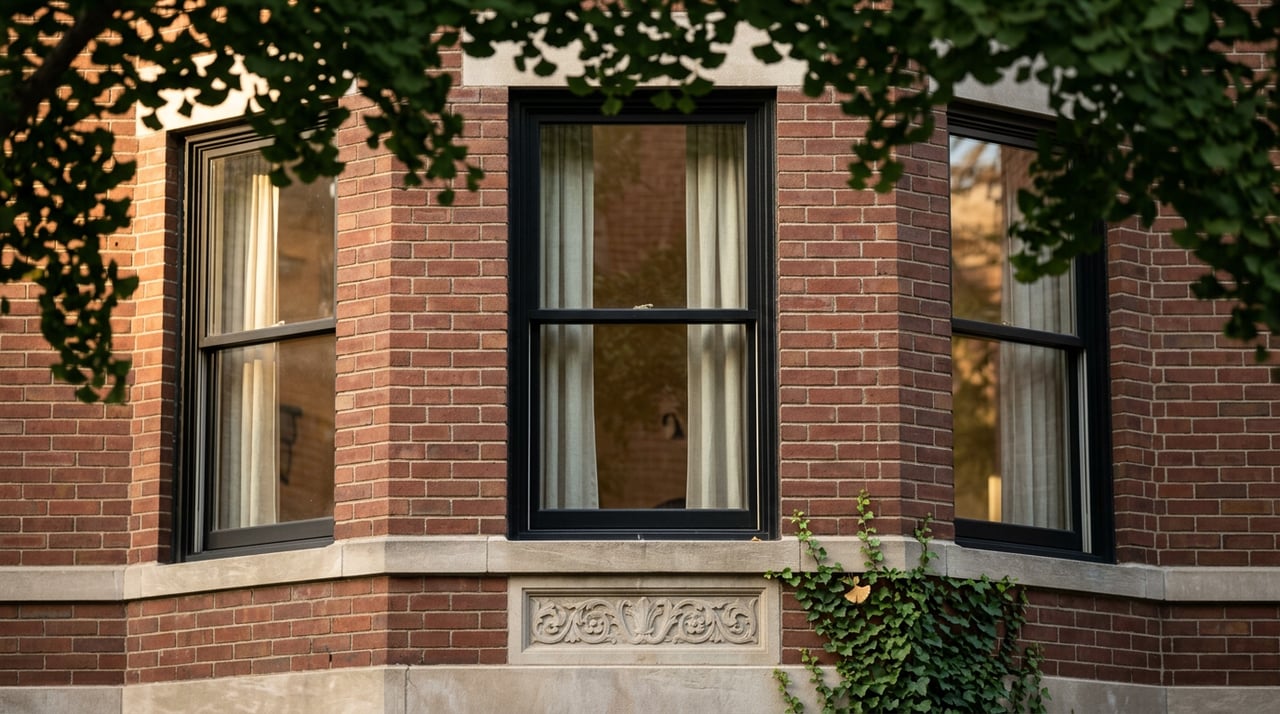
- Masonry and terra cotta deterioration. Watch for spalling, cracked units, and failing mortar that hint at larger façade projects.
- Original single-pane windows and aging wood frames that may draft and leak.
- Hydronic or steam radiator systems with older basement boilers and limited temperature control.
- Galvanized plumbing risers with higher leak and clog risk.
- Older elevator components if not modernized.
Red flags:
- Active scaffolding or emergency façade repairs.
- Low reserves compared to visible deferred items.
- Repeated water intrusion in building minutes.
Newer glass and curtain-wall towers
- Sealant failures, fogged insulated glass, and water at panel joints due to thermal movement.
- Complex central plants with costly chiller or boiler timelines.
- Higher HOA dues for amenities that require disciplined reserve planning.
Red flags:
- Recurring condensation or water at curtain-wall joints.
- Inadequate waterproofing at balconies and door thresholds.
- Major upcoming mechanical replacements without aligned reserves.
Universal red flags
- Frequent elevator outages with no modernization plan.
- Missing or incomplete service logs for major systems.
- Master insurance with high deductibles or exclusions for façade or water damage.
- Recent or pending special assessments that lack clear documentation.
Timing and next steps
Your goal is to pair a thorough unit inspection with targeted building due diligence. Here is a simple sequence to follow.
- Schedule the unit inspection and request building access or records at the same time.
- Review minutes, reserve study, insurance declarations, and engineering reports before your inspection window closes.
- If your inspector flags façade, mechanical, balcony, or elevator concerns, bring in a qualified specialist.
- Consider seasonality. Freeze–thaw can reveal leaks, and HVAC may need testing in separate heating and cooling visits. Climate context from the National Weather Service can guide timing.
- Have your attorney review disclosures and association documents under the Illinois Condominium Property Act.
- Use findings to negotiate repairs, credits, or additional due diligence time where appropriate.
A careful process reduces surprises and helps you budget for ownership. It also lets you compare buildings on equal footing, which is critical in a neighborhood with such a wide range of tower types and ages.
If you want a structured plan tailored to a specific Gold Coast building, we can help you sequence inspections, secure the right documents, and interpret the results with confidence. Connect with Jonathon Spradling to talk through your shortlist and schedule building-savvy showings. Schedule a private consultation.
FAQs
What makes Gold Coast high-rise inspections different?
- The neighborhood’s mix of vintage masonry and modern glass towers, plus Chicago’s climate and city oversight, means you must evaluate both unit systems and building-level risks.
Which association documents should I review before closing?
- Start with the resale packet, audited financials, current budget, master insurance declarations, reserve study, minutes, and any façade, elevator, roof, or mechanical reports.
Do I need a separate façade or balcony inspection?
- Yes, if you see masonry cracking, fogged glass, recurring leaks, or terrace membrane concerns. A façade or balcony specialist provides deeper analysis than a standard home inspection.
How do Chicago seasons affect inspections and testing?
- Freeze–thaw and lake-effect weather stress façades, joints, and drains. Plan inspections when HVAC modes can be tested and consider follow-ups after winter. See the National Weather Service.
Are lead paint or radon tests recommended in a condo?
- For pre-1978 renovations, consider certified lead testing per the EPA’s guidance. For air quality, optional radon screening is available. Learn more from the EPA’s radon resources.
What if inspectors find issues in the building, not my unit?
- Use the findings to negotiate with the seller, request credits, or extend due diligence. Review reserves, planned projects, and insurance to understand cost exposure before you proceed.