Choosing a condo in River North is not just about square footage or finishes. In this neighborhood, the building itself can shape your daily routine, your monthly costs, and even your resale options later on. If you are weighing a boutique building against a full-amenity tower, this guide will help you compare the tradeoffs clearly so you can make a more confident decision. Let’s dive in.
Why River North Has Both Options
River North has a built-in mix of condo styles because of how the neighborhood evolved. What was once an industrial and warehouse district gradually transformed into a downtown area known for galleries, studios, dining, and nightlife.
That history still shows up in the housing stock today. You will find converted loft and warehouse buildings alongside newer high-rise towers, which is why this is one of the few Chicago neighborhoods where buyers regularly compare architectural character with full-service convenience.
River North also remains an active market. Realtor.com currently reports 364 homes for sale, a median listing price of $485,000, a median of 35 days on market, and a 100% sale-to-list-price ratio. In a market like that, building-level details can carry real weight when you buy and when you resell.
Boutique Condos in River North
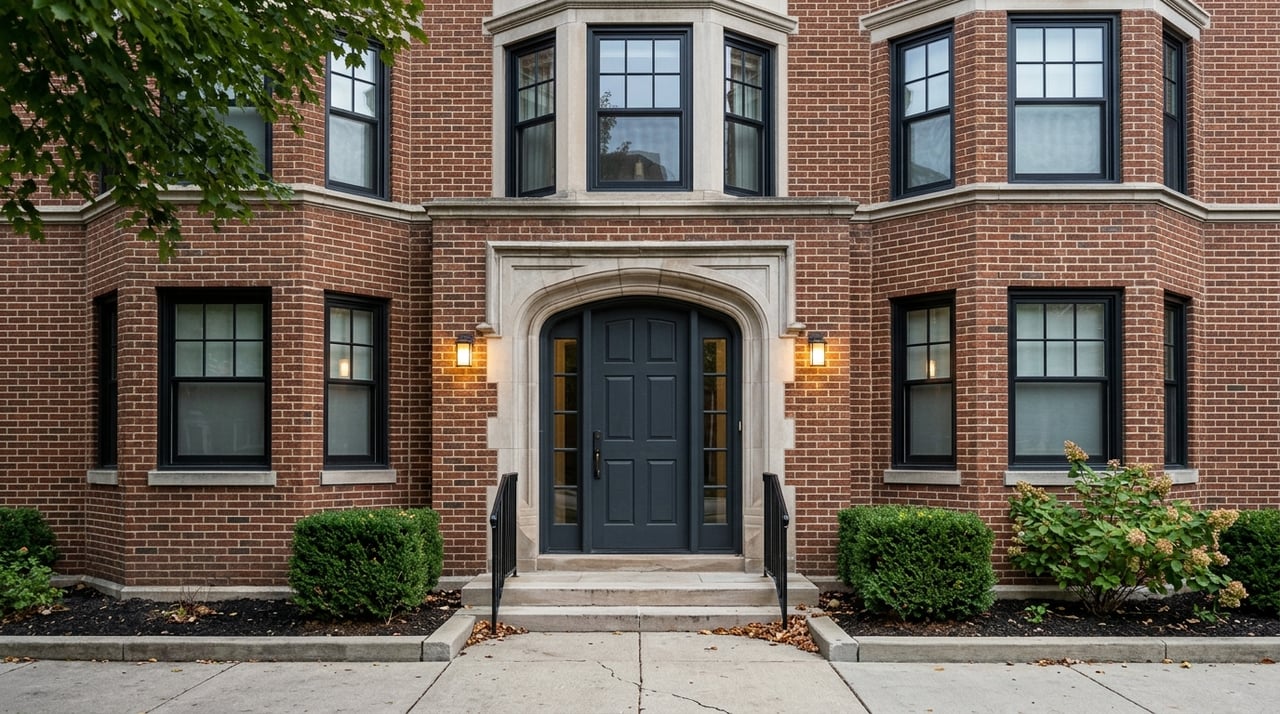
Boutique condo buildings are generally the smaller, more private option. They often have fewer residents, fewer shared spaces, and a quieter feel from day to day.
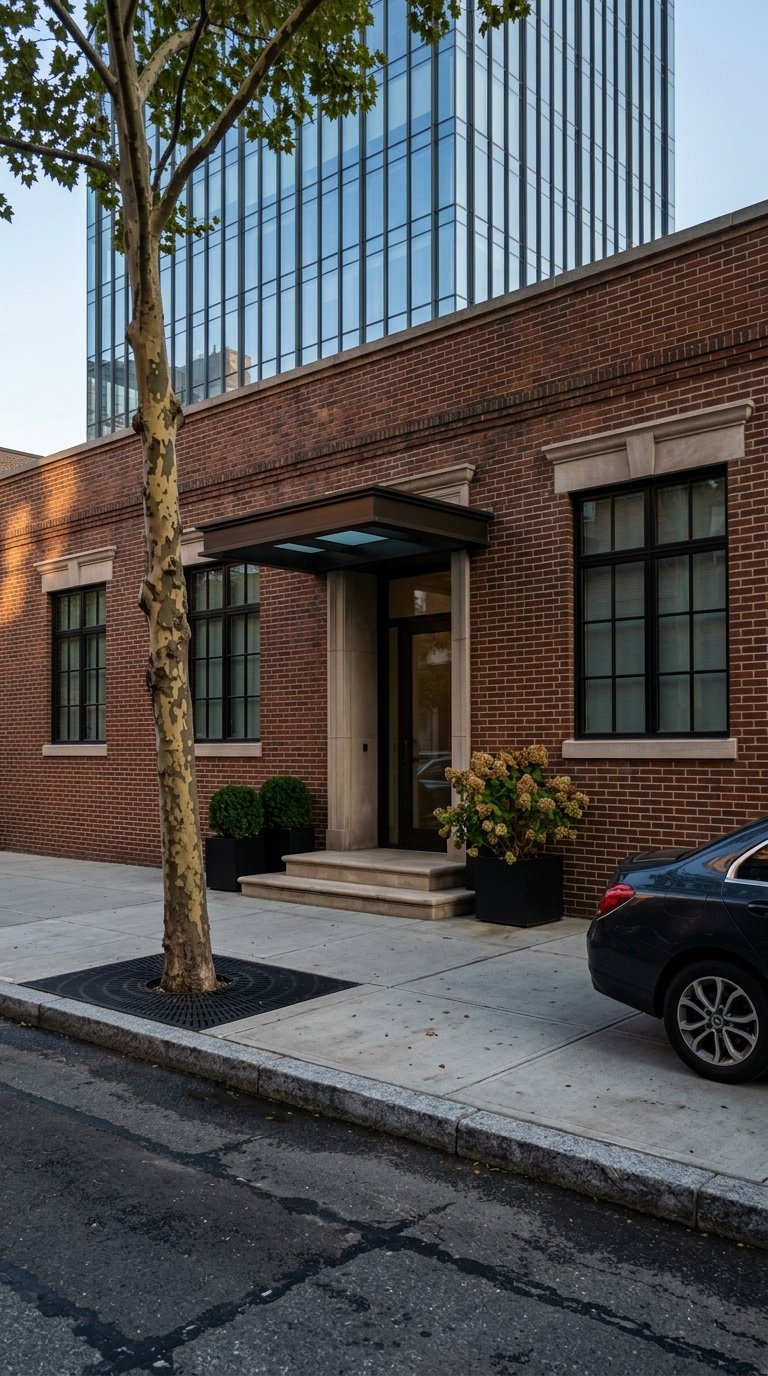
In River North, boutique buildings often include loft-style homes in converted warehouse or industrial properties. That can mean exposed brick, unique floor plans, and a more individualized feel than what you might see in a newer tower.
For many buyers, that character is the main draw. You may get a home that feels more distinct and less standardized, which can be appealing if you care about design, privacy, and a less resort-like ownership experience.
What Boutique Buildings Often Offer
- Smaller resident count
- More privacy
- Simpler common areas
- Architectural character, especially in loft conversions
- Assessments that may focus more on core maintenance than lifestyle amenities
That said, boutique does not always mean lower cost. A smaller building may have fewer owners sharing the cost of major repairs, which can matter if the roof, elevator, masonry, or other common elements need work.
Tower Condos in River North
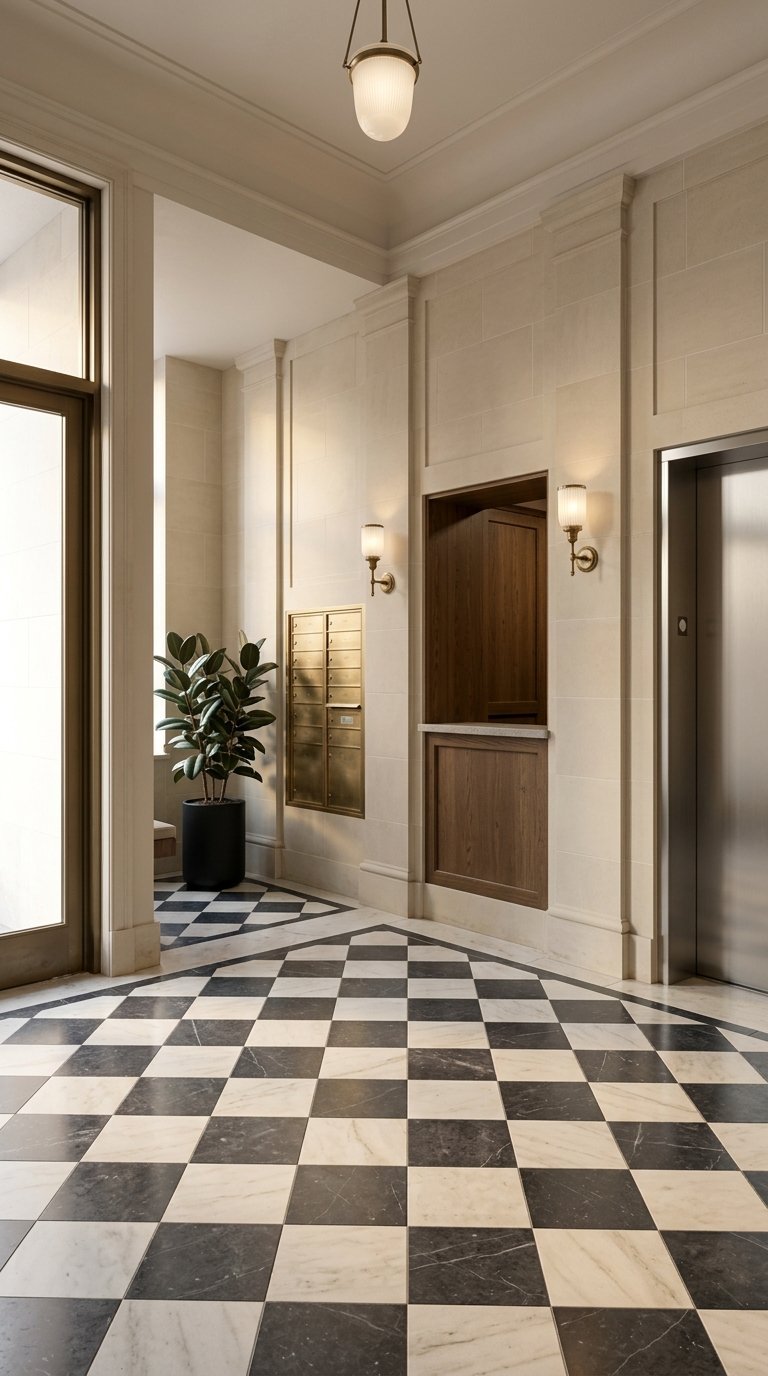
Full-amenity towers usually appeal to buyers who want convenience and a more service-oriented lifestyle. These buildings often offer secure access along with a broader mix of amenities and staffing.
Depending on the building, that can include fitness centers, pools, club rooms, outdoor spaces, package handling, or on-site staff. In luxury buildings, those offerings are often a meaningful part of the ownership experience.
If your schedule is busy or you travel often, a tower can support a more lock-and-leave lifestyle. The tradeoff is that more amenities and more infrastructure usually mean more ongoing costs built into the monthly assessment.
What Towers Often Offer
- Secure building access
- Larger amenity packages
- More staffing and shared services
- Greater convenience for day-to-day living
- A lifestyle that may feel more full-service
The key question is simple: will you actually use what you are paying for? In a tower, the amenity package can be a major part of the monthly carrying cost, so value depends on your habits.
The Biggest Difference: Lifestyle Fit
When buyers compare boutique and tower condos in River North, the most important difference is often not price. It is how you want to live.
If you want architectural personality, fewer neighbors, and a more intimate setting, a boutique building may feel like the right fit. If you want convenience, staff support, and amenities in the building, a tower may make daily life easier.
Neither option is automatically better. The right choice depends on whether you value intimacy or convenience more, and whether the monthly cost aligns with how you will actually use the building.
Assessments Matter More Than Many Buyers Expect
Monthly assessments are about much more than a gym or a polished lobby. They help fund common expenses, insurance, staff, maintenance, repairs, reserves, and other shared building costs.
Those fees can vary widely, and the amount is influenced by factors like the number of units, the building’s age, and the level of maintenance required. In River North, that creates an interesting dynamic because boutique buildings and towers can become expensive for very different reasons.
A tower may have more services, more mechanical systems, and more amenities to maintain. A boutique building may have fewer owners sharing the bill when large repair projects come up.
What to Look For in Assessments
Before you fall in love with a unit, look closely at what the monthly assessment includes.
Ask whether it covers:
- Common-area maintenance
- Building insurance
- Staff or door personnel
- Recreational facilities
- Trash service
- Snow removal
- Parking-related costs
This helps you compare buildings more fairly. A higher assessment is not always a bad sign if it reflects strong services, healthy reserves, and proactive maintenance.
Building Health Can Affect Resale
A beautiful unit in a weak building can become a resale problem later. That is why building health should be part of your decision from the start.
Illinois law requires condominium budgets to provide reasonable reserves for capital expenditures and deferred maintenance. Boards must consider repair and replacement costs, reserve studies, and the financial impact of assessments when setting reserves.
For you as a buyer, that means reserves are not a side detail. They are one of the clearest signs of how well the association plans for the future.
Watch for Special Assessments
Special assessments deserve close attention. One isolated special assessment is not always a dealbreaker, but repeated special assessments can point to weak reserve planning, deferred maintenance, or broader management issues.
Illinois law also recognizes separate special assessments and requires notice to unit owners when boards act on budgets or special assessments. If a building has a pattern of surprise costs, that should factor into how you evaluate the monthly dues and the long-term risk.
Financing and Buyer Pool Considerations
Resale strength is often tied to how easy the building is to finance. Condo association finances matter to lenders, and the percentage of owner-occupied units can matter too.
A higher owner-occupied ratio generally makes a condo easier to finance and resell. In a neighborhood like River North, where many listings may look similar at first glance, that kind of building-level detail can influence how broad your future buyer pool will be.
This is one reason the smartest condo buyers look beyond finishes. A sleek kitchen can attract attention, but association health often determines how smoothly a deal comes together.
Questions to Ask at a River North Showing
The best showing questions usually focus on the building, not just the unit. In River North, that is especially important because the neighborhood includes both older loft conversions and newer high-rise towers.
Here are smart questions to ask before you move forward:
- How many units are owner-occupied?
- Are there rental caps or grandfathered rental rights?
- What does the monthly assessment actually cover?
- How much is in reserves?
- Is there a reserve study?
- What special assessments have happened in the past five years?
- Are any new special assessments expected?
- Is the building in litigation?
- If the building was converted from another use, can I see an engineer’s report?
These questions can help you spot the difference between a building that simply looks good and one that is also financially sound.
How to Decide Which Option Fits You
If you are choosing between a boutique condo and a tower in River North, start with your real priorities. Think about how often you would use amenities, how much privacy you want, and how comfortable you are with each building’s cost structure.
Then look at the association with the same care you give the unit itself. Review assessment history, reserve strength, owner-occupancy, and any signs of upcoming repairs or litigation.
In many cases, the best choice is the building that gives you the clearest value story. That means a home that matches your lifestyle today and still makes sense financially when it is time to sell.
Whether you are drawn to the character of a loft-style boutique building or the convenience of a full-service tower, the right guidance can help you compare the details that really matter. If you want a tailored perspective on River North condos and which building style fits your goals, connect with Jonathon Spradling for a private consultation.
FAQs
What is the difference between a boutique condo and a tower condo in River North?
- A boutique condo building is usually smaller, more private, and often lighter on amenities, while a tower condo usually offers more shared amenities, staffing, and a more full-service lifestyle.
Are boutique condos in River North cheaper than tower condos?
- Not always. Boutique buildings may have fewer amenities, but they can still have meaningful costs because fewer owners may be sharing large repair expenses.
What do condo assessments usually cover in a River North building?
- Condo assessments may cover common-area maintenance, insurance, staff, recreational facilities, trash, snow removal, parking-related costs, and other shared building expenses.
Why do reserves matter when buying a River North condo?
- Reserves help a condo association plan for capital repairs and deferred maintenance, which can reduce the chance of repeated special assessments and support building stability over time.
What should you ask about special assessments in a River North condo building?
- You should ask what special assessments have happened in the past five years, whether any new ones are expected, and how the building is planning for future repairs.
Does owner-occupancy affect River North condo resale?
- Yes. A higher owner-occupied ratio generally makes a condo easier to finance and can support resale by expanding the future buyer pool.