Have you seen “duplex-down” in Lincoln Park listings and wondered what it actually means? You want smart space, good light, and an easy day-to-day routine, but layout jargon can make decisions harder. In this guide, you’ll learn what a duplex-down is, how the layout lives, and the key trade-offs to watch before you buy. You’ll also get a touring checklist, financing notes, and next steps tailored to Lincoln Park. Let’s dive in.
Duplex-down meaning
A duplex-down is a two-level condo where the main entry is at or above ground and part of the home sits on a lower level, often partially below grade. It’s the counterpart to a duplex-up, which occupies upper floors. In Lincoln Park, you’ll see duplex-downs in converted greystones, two-flats, and low- to mid-rise buildings, as well as newer projects with walk-out patios.
Related terms can be confusing. Garden-level usually means the lower floor is at or slightly above grade with windows and outside access. Basement suggests more below-grade space with less light. A duplex-down can be garden-level, partially below grade, or a mix. In listings, agents may write “duplex down” or “lower duplex,” so always confirm how the space is arranged.
Common layouts in Lincoln Park
Layout archetypes
- Entry, kitchen, living, and powder room at street or garden level, with bedrooms, full baths, and laundry on the lower level. Often includes patio access from the lower level.
- Main living space on the upper of the two floors, with the primary suite and secondary bedrooms below for clear separation of public and private zones.
- Reverse duplex-down (less common), where the main living area is on the lower level and bedrooms are above, still within a lower-unit footprint.
Typical features
- Private outdoor space such as a patio or small yard accessed from the lower level.
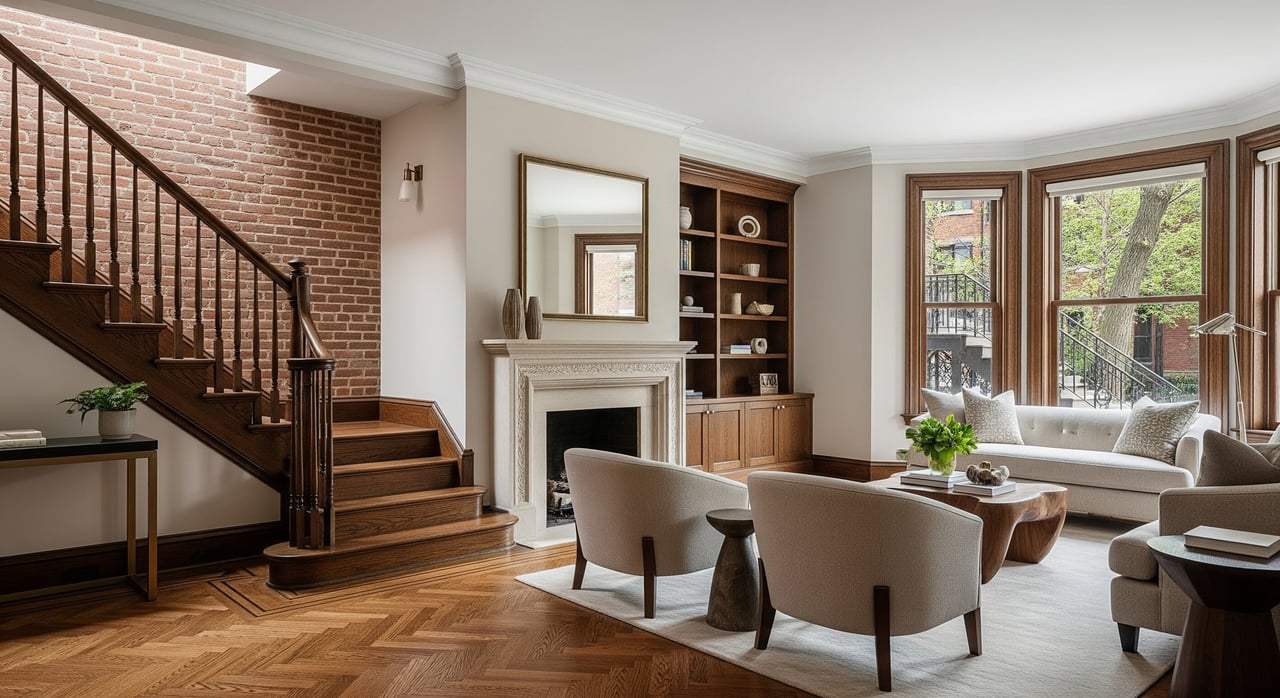
- Interior stairs connecting levels, sometimes compact in older buildings.
- Window types vary on the lower level, from full egress (garden units) to smaller basement windows.
- Storage and mechanical rooms often on the lower level, with in-unit laundry commonly located there.
- Parking varies widely in Lincoln Park. Some lower units include assigned spots, while others rely on street or leased parking. Always confirm with the listing or HOA.
Pros and cons
Benefits
- Strong separation of living and sleeping areas for privacy and quiet.
- Valuable outdoor space, which is a sought-after amenity in urban Lincoln Park.
- Easier access for daily life, with fewer stairs to reach your front door compared to upper units.
- Often no upstairs neighbor directly above your living areas.
- In some buildings, pricing may be more approachable than top-floor units with skyline views.
Trade-offs
- Lower natural light and limited views in below-grade rooms.
- Higher moisture and water intrusion risk, so waterproofing and drainage deserve extra attention.
- Some buyers perceive a “basement feel,” which can affect resale.
- Lower ceiling heights in older conversions are possible; verify comfort and code minimums.
- Bedrooms below grade must meet egress standards; noncompliance can impact appraisal and financing.
- Interior stairs can be a barrier if you need single-level living.
- Some lenders and appraisers exclude below-grade area from gross living area, which can affect valuation.
Lincoln Park factors that matter
Building stock and outdoor space
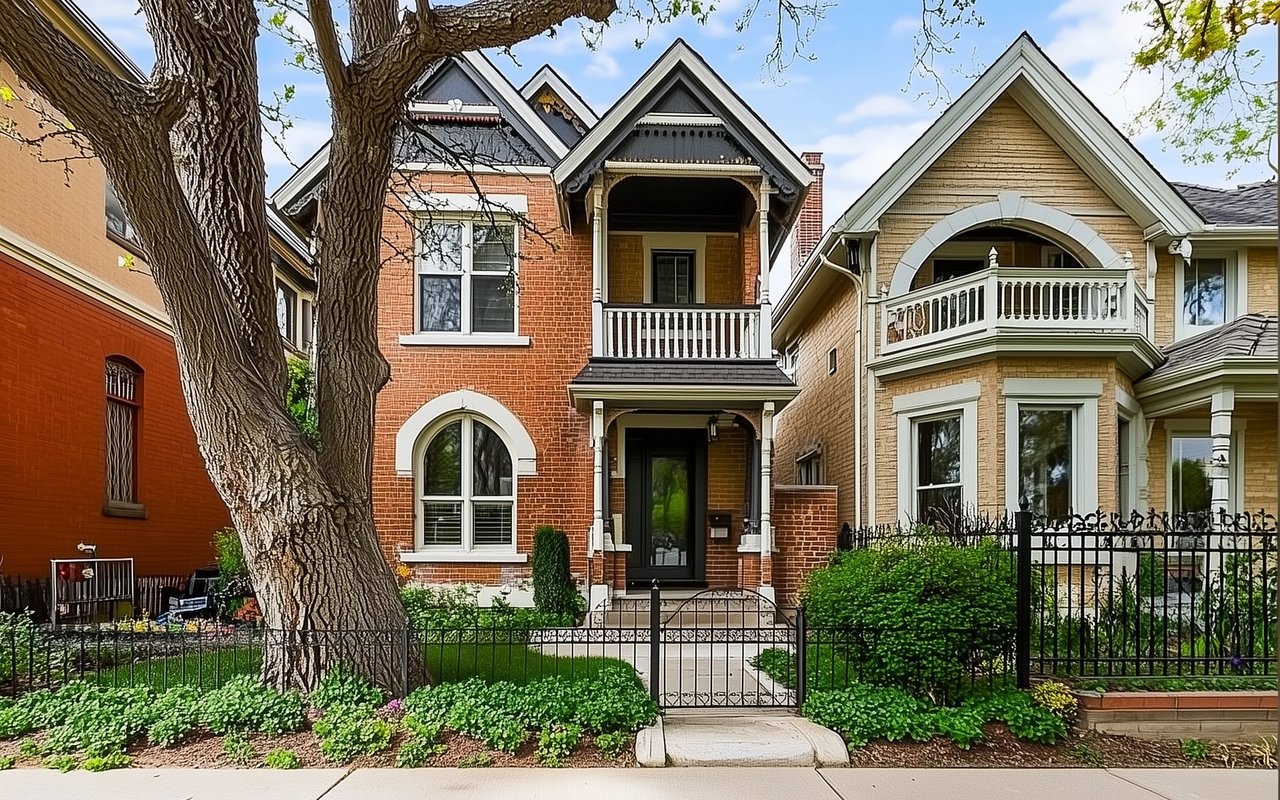
Lincoln Park has many historic greystones, small walk-ups, and two-flats where lower units are configured as duplex-downs. Newer developments may also feature two-level lower units with private terraces. If you value outdoor space and walkability, a duplex-down can be competitive.
Weather and water priorities
Chicago’s freeze-thaw cycles, snow, and heavy rains increase the need for strong waterproofing, proper grading, and well-maintained drainage systems. These issues tend to impact lower units more, so you should plan for careful inspection and HOA review.
Parking and access
On-site parking is limited in parts of Lincoln Park. Even without parking, a lower unit’s closer street access can make daily routines easier for groceries, strollers, and bikes.
HOA and building systems
Confirm whether heat, hot water, and utilities are individual or shared. Older buildings may use radiators or steam heat, which can influence comfort on the lower level. Review HOA minutes for any water-related history, foundation projects, or assessments tied to waterproofing.
Code and financing checks
Verify egress and habitability with a licensed inspector familiar with City of Chicago standards. Since some mortgage programs treat below-grade space differently, ask your lender how the layout could affect appraisal and loan terms.
Touring checklist
On the walk-through
- Light and windows on both levels. Note if lower-level windows sit above grade or mostly below.
- Ceiling heights on the lower level. Ask the listing agent for measurements if not posted.
- Patio or yard slope and drainage direction relative to the foundation.
- Signs of moisture such as staining, efflorescence, musty odors, or fresh drywall patches.
- Sump pump, French drain, window well covers, and any exterior waterproofing clues.
- HVAC and hot water location, age, and service history. Confirm individual vs. master utilities.
- Laundry location, plumbing condition, and recent leak history.
- Sound transfer between units and common areas.
- Privacy and security for lower-level windows, including street visibility.
- Storage areas and bike parking options.
- Whether outdoor space is exclusive use and any easements or maintenance duties.
Inspection and due diligence
- Hire an inspector experienced with below-grade spaces to evaluate water intrusion risk, foundation cracks, sump pump and backup, grading and downspouts, HVAC performance, ventilation, and insulation.
- Request seller disclosures and HOA records for prior water damage, remediation, or capital projects affecting lower levels.
- Ask about any radon testing and consider a test if your inspector recommends it.
- Confirm that lower-level bedrooms meet legal egress and ceiling height requirements.
- Review HOA reserves, past assessments, and planned projects, especially for waterproofing or structural work.
- Verify how square footage is reported and whether below-grade areas are included.
Financing and appraisal tips
- Talk to your lender early. Some appraisers and loan programs do not count below-grade finished space as gross living area.
- If much of the home is below grade, request comparable sales of similar duplex-downs to set clear pricing expectations.
- For FHA, VA, or conventional loans, raise layout questions during pre-approval so underwriting expectations are aligned.
Who a duplex-down fits best
- You want private outdoor space and appreciate a home that separates entertaining from sleeping areas.
- You prefer easier street access for everyday convenience without living in a storefront.
- You value space and function more than skyline views or top-floor light.
When to consider other options
- You prioritize abundant natural light and upper-floor views.
- You need single-level living without interior stairs.
- You’re not comfortable with the light and moisture trade-offs that can come with lower-level space.
Next steps
If a duplex-down aligns with your lifestyle, start with two moves. First, tour a few different archetypes to compare light, ceiling height, and outdoor setups. Second, speak with a lender and an inspector who understand how below-grade areas affect valuation and comfort.
When you are ready for tailored guidance, schedule a private buyer consult. Our team will help you compare layouts, review HOA documents, and plan due diligence so you can buy with confidence in Lincoln Park. Connect with Jonathon Spradling to schedule a private consultation.
FAQs
What is a duplex-down in Chicago real estate?
- A duplex-down is a two-level condo where the entry is at or above ground and part of the home sits on a lower level, often partially below grade.
How does natural light compare in a duplex-down?
- Lower-level rooms often receive less natural light and have more limited views, especially if they are partially or fully below grade.
What moisture risks should Lincoln Park buyers check?
- Look for sump pumps, drainage direction, signs of past water, and HOA records of waterproofing or foundation projects during due diligence.
Do lenders count below-grade space in appraisals?
- Some appraisers and loan programs exclude below-grade finished area from gross living area, which can affect valuation and loan terms.
Are patios typically private in duplex-down condos?
- Many lower units offer private outdoor space, but you should confirm exclusivity and any maintenance responsibilities with the listing or HOA.