Torn between the sparkle of new construction and the character of a vintage condo in Lakeview? You are not alone. Lakeview offers both styles on the same tree-lined blocks, each with its own strengths, costs, and tradeoffs. In this guide, you will learn how price, HOA fees, energy use, soundproofing, parking, and resale potential compare so you can choose with confidence. Let’s dive in.
Lakeview at a glance
Lakeview is one of Chicago’s most sought-after North Side neighborhoods. You will find strong walkability to Clark Street, Southport, and Broadway, easy access to the lakefront and parks, and a lively dining and nightlife scene anchored by Wrigleyville. CTA rail and bus lines make commuting to downtown or nearby Lincoln Park straightforward, which supports both owner-occupant and investor demand.
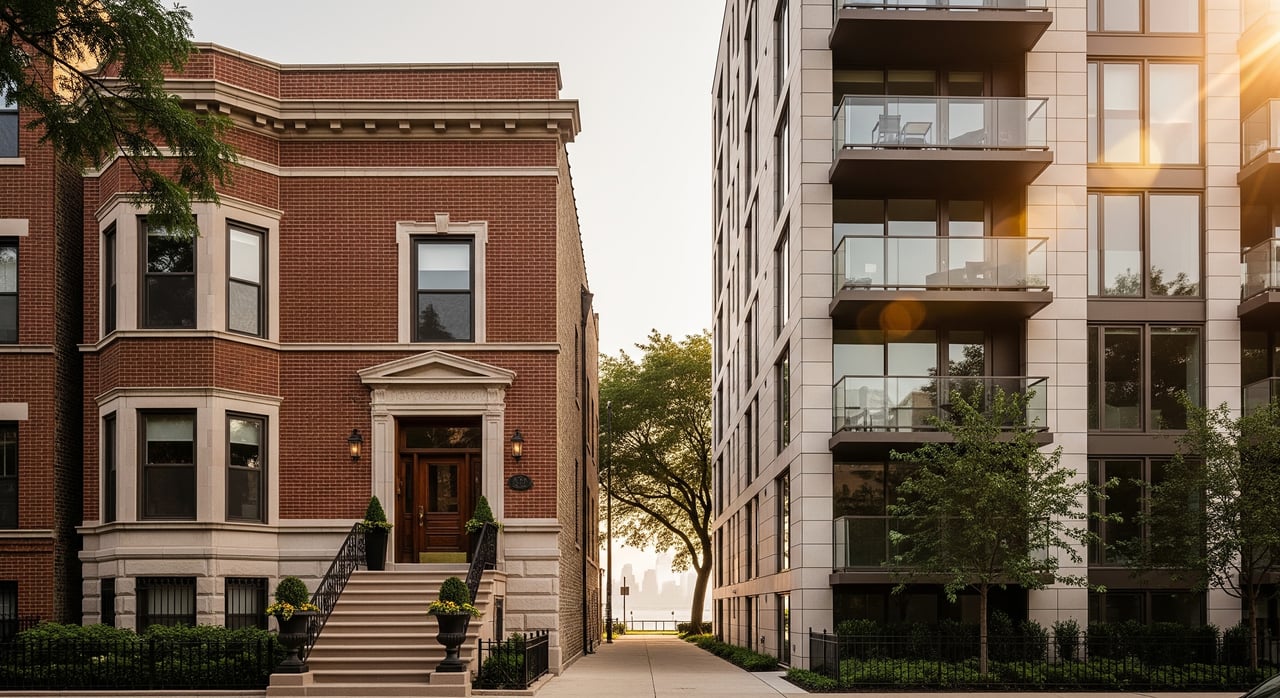
Housing here spans classic masonry walk-ups and vintage mid-rises to boutique new developments along major corridors. That mix creates real choice for buyers and explains why two similar-size units on the same street can feel, live, and price very differently.
Price vs. total cost
New construction in Lakeview often carries a higher price per square foot. You are paying for modern layouts, in-unit laundry, newer mechanicals, private outdoor space, and sometimes amenities. Vintage condos usually start at a lower entry price but can vary widely based on location, architectural detail, and how much updating they need.
Focus on the total cost of ownership over 5 to 10 years. Add purchase price, monthly HOA assessments, likely renovation or capital expenses, utilities, and property taxes. In Cook County, tax assessments can materially affect carrying costs, so it is smart to review unit-level tax history before you write an offer.
HOA health and monthly fees
Newer buildings often have higher monthly assessments to operate amenities and modern systems, though early years may see fewer capital repairs. Vintage buildings sometimes show lower monthly fees but can carry a higher risk of special assessments if reserves are thin or major components like roofs, boilers, or elevators need work.
Always request the association’s current budget, reserve study, recent meeting minutes, master insurance summary, and the declaration, bylaws, and rules. Review any rental or short-term rental restrictions, pet policies, and parking assignments. The Illinois Condominium Property Act sets the governance framework, but each HOA’s health and rules are unique, so reading the documents matters.
Layouts and finishes
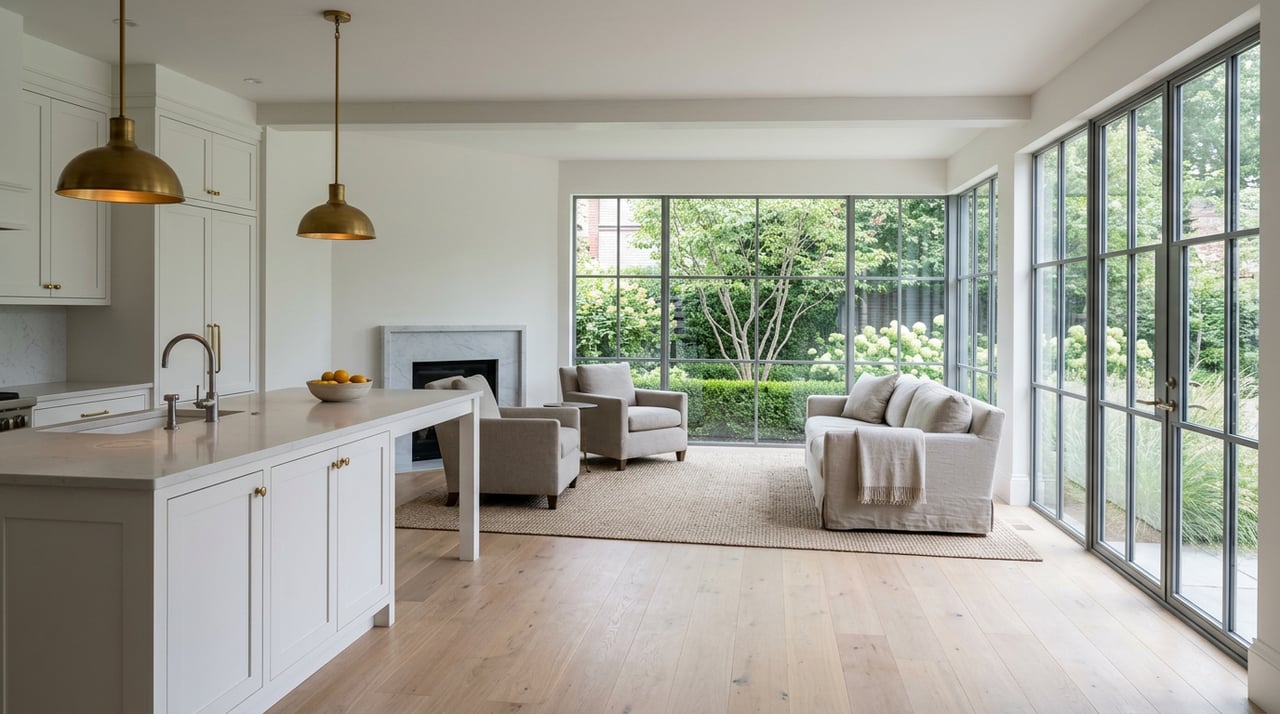
New-construction condos tend to offer open-plan living, integrated kitchens, walk-in closets, larger bathrooms, and built-in tech and lighting. Finishes range from luxury-grade to more standard packages, so confirm specifications for your specific unit and any upgrade options.
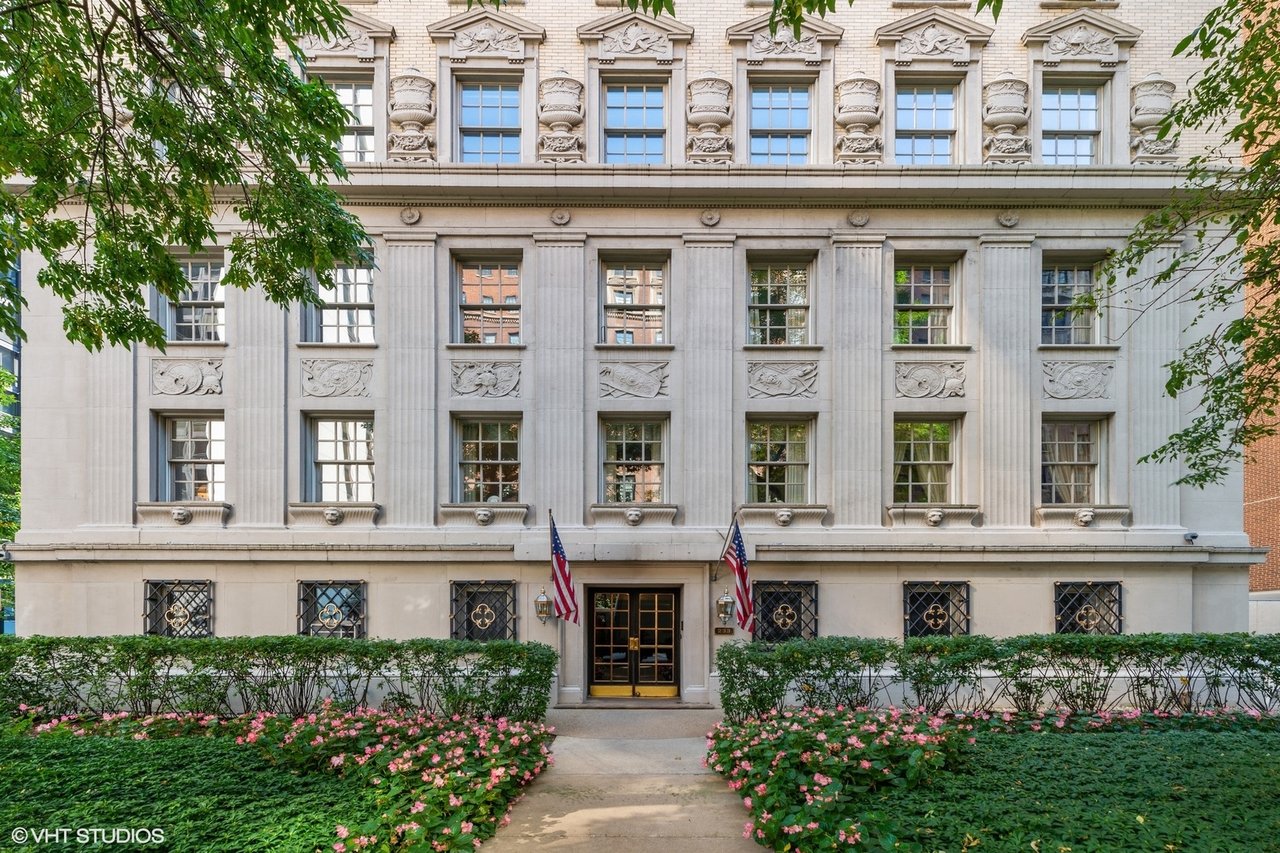
Vintage condos often win on character with higher ceilings, original millwork, hardwood floors, and distinctive window bays. Layouts can be more compartmentalized, which some buyers prefer for privacy or a home office. Kitchens and baths may need remodeling, so budget time and cost if you want a turnkey feel.
Energy and building systems
New construction must meet current Chicago building and energy codes, which usually means better insulation, efficient HVAC, double or triple-pane windows, LED lighting, and ENERGY STAR appliances where specified. These features can help reduce utility bills and near-term maintenance.
Vintage buildings can be energy efficient or not, depending on past upgrades. Masonry walls provide solid thermal mass, but original single-pane windows, older boilers, and limited insulation can raise costs. Ask for recent mechanical upgrades and a history of utility usage if available. For new buildings, request an energy or mechanical spec sheet and any third-party efficiency certifications.
Soundproofing and quiet
Acoustic comfort varies more by construction quality than by age alone. Vintage masonry buildings often block airborne noise between units well. They can still transmit impact sounds like footsteps if floor assemblies are thin. Newer projects can be very quiet if designed with acoustic assemblies, but quality varies.
Two simple ratings help you compare: STC measures airborne sound through walls and IIC measures impact sound through floors. Higher numbers generally mean better isolation. Ask for wall and floor assembly details or any testing data in new developments, and visit target units at different times to sample real-world noise from streets, neighbors, and building systems.
Parking, storage, outdoor space
Newer Lakeview developments are more likely to include deeded garage parking for purchase, bike rooms, practical storage, and private balconies or terraces. Vintage buildings may have limited storage and little or no on-site parking. Street parking and leased options are available in many areas, but on-site, deeded parking often adds convenience and resale strength.
Outdoor space matters, too. Private balconies and usable common rooftop or yard areas can elevate daily life and future marketability.
Resale and marketability
In Lakeview, location tends to outweigh building age. Proximity to transit, parks, retail corridors, and the lakefront drives demand for both vintage and new units. Floor plan usability, natural light, parking, and outdoor space are common denominators for broad appeal.
Well-finished new buildings with strong management and reasonable HOA fees can command premiums and resell more easily. Vintage units that preserve authentic details and pair them with thoughtful updates also attract robust interest. Watch for risk factors like deferred maintenance in vintage buildings or high assessments and uneven management in newer projects.
Buyer due diligence checklist
Use this checklist to compare any two Lakeview condos side by side.
Association documents to request
- Current operating budget and recent financial statements
- Reserve study and current reserve balance
- Board meeting minutes from the last 12 to 24 months
- Master insurance summary and certificate of insurance
- Declaration, bylaws, and rules, including rental and pet policies, parking terms, and any short-term rental restrictions
New construction verifications
- Developer and builder track record for completed Chicago projects
- Unit specification sheet and finish package details
- Warranty coverage and duration for workmanship, systems, and structure
- Construction timeline and contingencies for delays
- Condominium declaration and any conversion documents
Unit inspections and tests
- Professional home inspection focused on mechanicals, roof, water intrusion, electrical, and plumbing for vintage units
- Independent inspection or detailed punch list walkthrough for new units prior to closing
- Mechanical system type and age, including HVAC and hot water
- If noise is a concern, request STC/IIC details for new buildings and ask vintage boards about any recent noise complaints
Taxes and financing notes
- Property tax history for the specific unit and whether reassessments may affect future bills in Cook County
- Lender eligibility for new or newly formed condo projects, including reserve and HOA requirements
- Confirm whether FHA or VA financing is needed and whether the building is approved
Lifestyle rules to confirm
- Rental and subletting policies, including any minimum ownership periods
- Parking assignments, guest parking, and waitlists
- Pet rules, including limits that could affect your plans
Match your priorities
Choose new construction if
- You want turnkey convenience, modern systems, and less near-term maintenance
- You value private outdoor space, better built-in storage, and parking options
- You accept a price premium in exchange for immediate usability and amenities
- You can confirm builder reputation, warranty coverage, and realistic HOA budgets
Choose vintage if
- You are drawn to architectural character and unique layouts
- You want a lower initial price per square foot and can invest in updates over time
- You are ready to review HOA reserves closely and plan for potential capital projects
- You can live with limited on-site parking or storage, or you have alternatives
If resale flexibility matters most
- Prioritize location within Lakeview, a functional floor plan with natural light, deeded parking, and private outdoor space
- Choose buildings with healthy reserves, clear rules, and professional management
- Remember that a great block and a usable layout often outperform building age
Micro-location matters in Lakeview
Not all blocks live the same. Corner and top-floor units can reduce neighbor noise. Orientation away from busy streets or nightlife zones near Wrigleyville can improve quiet enjoyment. Proximity to CTA stops, parks, and retail can enhance daily convenience and strengthen rental and resale demand.
Walk the block at different times of day, listen from inside the unit, and note traffic, delivery routes, and weekend patterns. Building, floor, and unit placement often matter as much as whether the condo is new or vintage.
Ready to compare units the smart way?
You deserve more than a quick tour. With a structured checklist and clear cost-of-ownership modeling, you can choose the Lakeview condo that fits your lifestyle today and your plans tomorrow. If you would like a tailored side-by-side analysis of specific buildings, HOA financial reviews, and a curated shortlist aligned to your priorities, reach out to Jonathon Spradling. Schedule a private consultation and make your next move with confidence.
FAQs
In Lakeview, will a new condo cost less to heat and cool than a vintage unit?
- Generally yes when new units include efficient HVAC, insulated envelopes, and modern windows, but actual savings depend on the specific building systems and use.
Are HOA fees usually higher in new Lakeview buildings?
- Often yes because of amenities and larger operating budgets, though newer systems may defer big capital projects while vintage buildings can face special assessments.
Which is quieter in Lakeview condos, new or vintage?
- It depends on construction quality; masonry vintage walls often block airborne noise well, while new buildings can be very quiet if built with acoustic assemblies rated for higher STC and IIC.
Do new-construction condos in Lakeview come with warranties?
- Most do, covering workmanship and certain systems, and some include longer structural coverage, so always review the written warranty terms and durations.
Which type has better resale in Lakeview, new or vintage?
- Both can perform well when they pair a desirable location with a functional layout, parking, outdoor space, and healthy HOA management and reserves.
What documents should I review before buying a Lakeview condo?
- Obtain the HOA budget, reserve study, meeting minutes, insurance summary, declaration and bylaws, plus inspections and, for new builds, specifications, timeline, and warranty details.