Creating a home that feels warm, welcoming, and safe is a top priority for families, especially those with young children. Whether preparing to move into a new space or adapting an existing home for a growing family, ensuring the environment is free from avoidable hazards is crucial. In communities like Lincoln Park, IL, where many families enjoy historic homes with charm and character, understanding how to childproof and secure a space without compromising its style or function is key. A safe home supports both a child’s development and a parent’s confidence, allowing families to enjoy their surroundings with fewer worries.
Secure Entry Points and Windows
The first step in establishing a child-safe environment is making sure all doors and windows are secure. Entry points should have locks that are out of reach for toddlers and mechanisms that are difficult for children to operate. Installing door knob covers or childproof locks can help prevent unwanted wandering, especially in multilevel homes or properties with exterior access to yards or balconies.
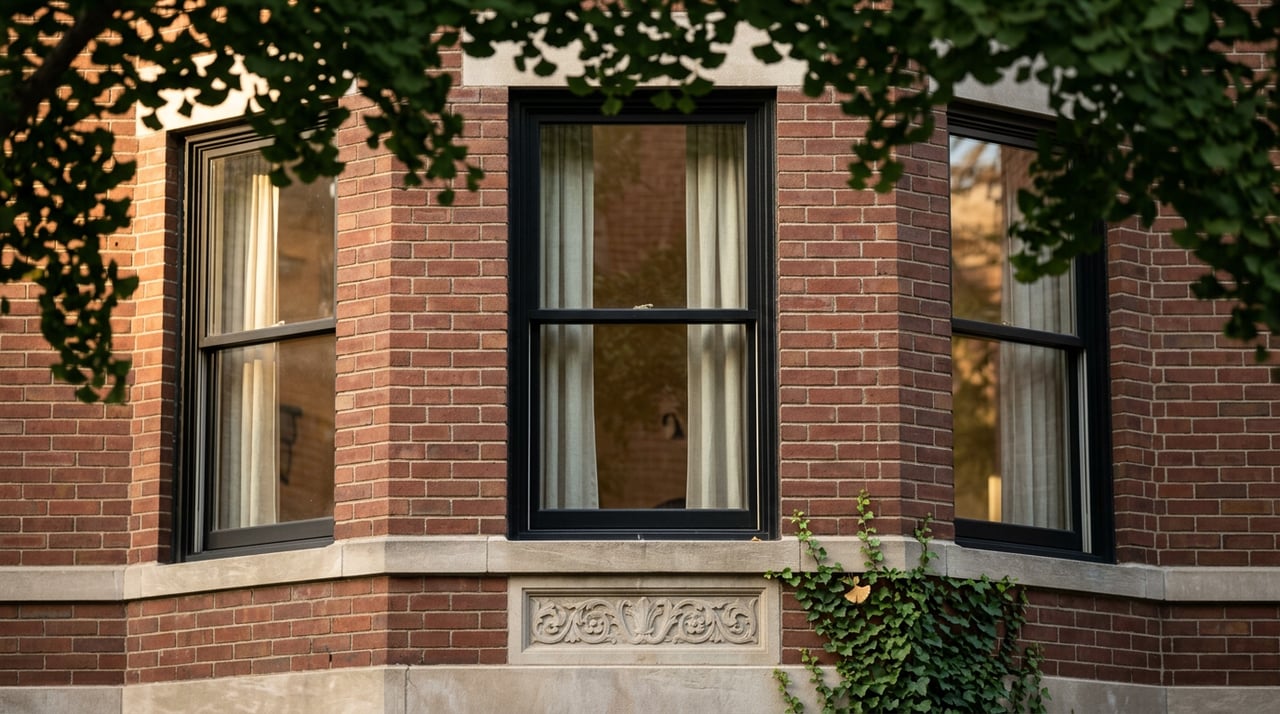
Windows, particularly those on upper floors, should have secure latches and window guards to prevent accidental falls. In older homes common throughout Lincoln Park, where window sills may sit low to the ground, it’s important to verify that each window meets current safety standards. Cordless blinds or window coverings without looped strings are ideal for reducing strangulation risks.
Windows, particularly those on upper floors, should have secure latches and window guards to prevent accidental falls. In older homes common throughout Lincoln Park, where window sills may sit low to the ground, it’s important to verify that each window meets current safety standards. Cordless blinds or window coverings without looped strings are ideal for reducing strangulation risks.
Eliminate Fall Hazards in High-Traffic Areas
Falls are among the most common injuries for young children, especially those just learning to walk or explore. Making adjustments to flooring, furniture layout, and stair access can help prevent these accidents. Rugs should be anchored with non-slip pads, and any loose carpeting or hardwood transitions should be repaired.
Stairways should be fitted with sturdy safety gates at both the top and bottom. These gates should be hardware-mounted, especially at the top of stairs, to ensure they cannot be dislodged with pressure. Additionally, keep hallways and high-traffic areas free from clutter to provide clear paths for walking and running without tripping hazards.
Stairways should be fitted with sturdy safety gates at both the top and bottom. These gates should be hardware-mounted, especially at the top of stairs, to ensure they cannot be dislodged with pressure. Additionally, keep hallways and high-traffic areas free from clutter to provide clear paths for walking and running without tripping hazards.
Address Electrical and Fire Safety Concerns
Outlets and power cords are naturally intriguing to young children, making electrical safety a major concern in any home. Outlet covers or tamper-resistant wall plates are an easy and effective way to protect curious fingers. Electrical cords should be tucked behind furniture or placed in protective covers to prevent chewing or tripping.
Smoke detectors and carbon monoxide alarms should be installed on every floor of the home and tested regularly. Fire extinguishers should be easily accessible and stored in the kitchen and near sleeping areas. Teach older children the basics of fire safety, and keep matches, lighters, and candles well out of reach at all times.
Smoke detectors and carbon monoxide alarms should be installed on every floor of the home and tested regularly. Fire extinguishers should be easily accessible and stored in the kitchen and near sleeping areas. Teach older children the basics of fire safety, and keep matches, lighters, and candles well out of reach at all times.
Childproof the Kitchen and Bathroom
Kitchens and bathrooms require special attention due to the number of potential dangers they contain. Cabinets and drawers should have locks or latches to prevent children from accessing cleaning products, sharp objects, or medications. In older Lincoln Park homes with vintage cabinetry, modern childproofing tools can be installed without damaging the existing finish.
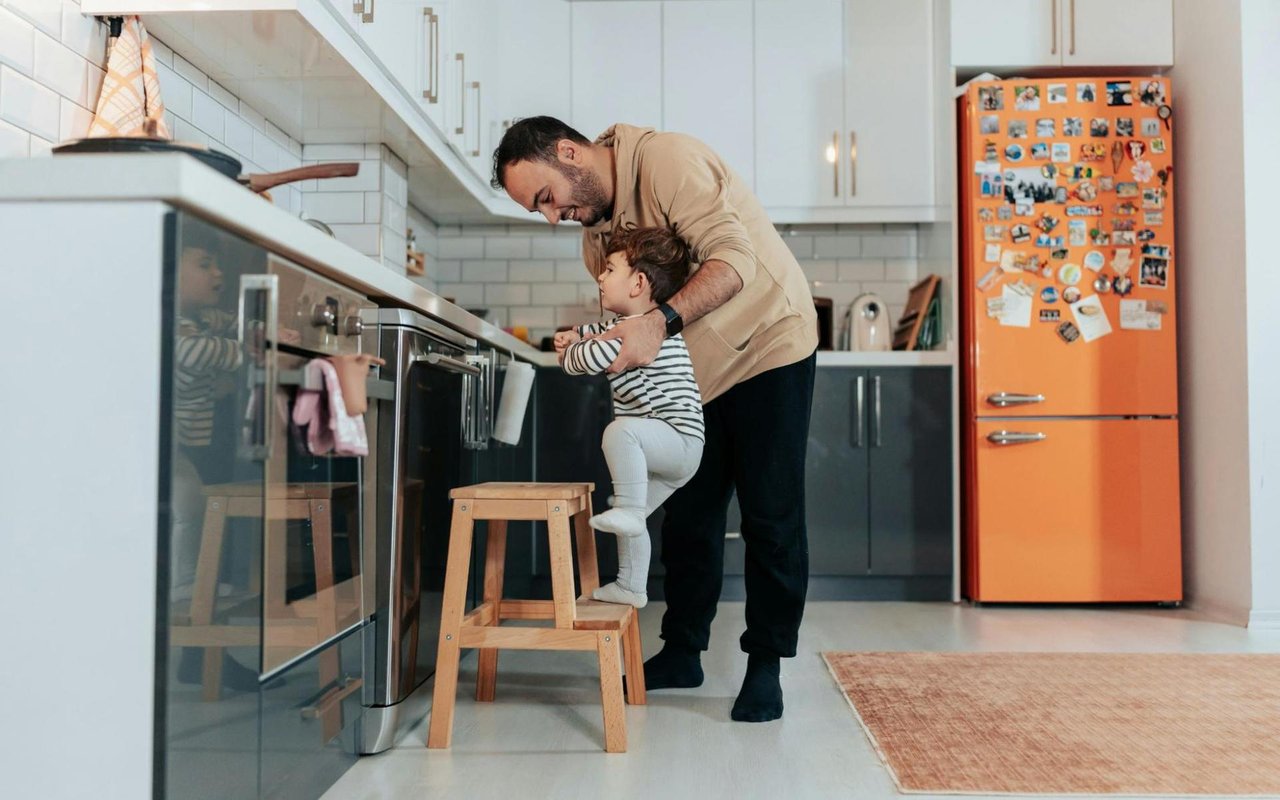
In the kitchen, use stove knob covers and turn pot handles inward while cooking. Keep small appliances unplugged and away from edges where children can pull on cords. In the bathroom, always supervise bath time closely, use non-slip mats, and keep the toilet lid closed with a latch if needed. Store all toiletries and medications in high cabinets or locked drawers to prevent accidental ingestion.
In the kitchen, use stove knob covers and turn pot handles inward while cooking. Keep small appliances unplugged and away from edges where children can pull on cords. In the bathroom, always supervise bath time closely, use non-slip mats, and keep the toilet lid closed with a latch if needed. Store all toiletries and medications in high cabinets or locked drawers to prevent accidental ingestion.
Create Safe Play and Sleep Areas
Designating specific zones for sleep and play can help reinforce safe routines and boundaries. In nurseries and children’s bedrooms, cribs should meet current safety standards, and furniture should be anchored to the wall to prevent tip-overs. Avoid placing cribs near windows, curtains, or cords that could pose a risk.
Play areas should be free of sharp corners, choking hazards, and fragile objects. Consider using soft flooring, like foam mats or padded rugs, to cushion accidental tumbles. Toy storage should be low to the ground and accessible, allowing children to explore independently while minimizing the risk of injury.
Play areas should be free of sharp corners, choking hazards, and fragile objects. Consider using soft flooring, like foam mats or padded rugs, to cushion accidental tumbles. Toy storage should be low to the ground and accessible, allowing children to explore independently while minimizing the risk of injury.
Monitor Outdoor Spaces Carefully
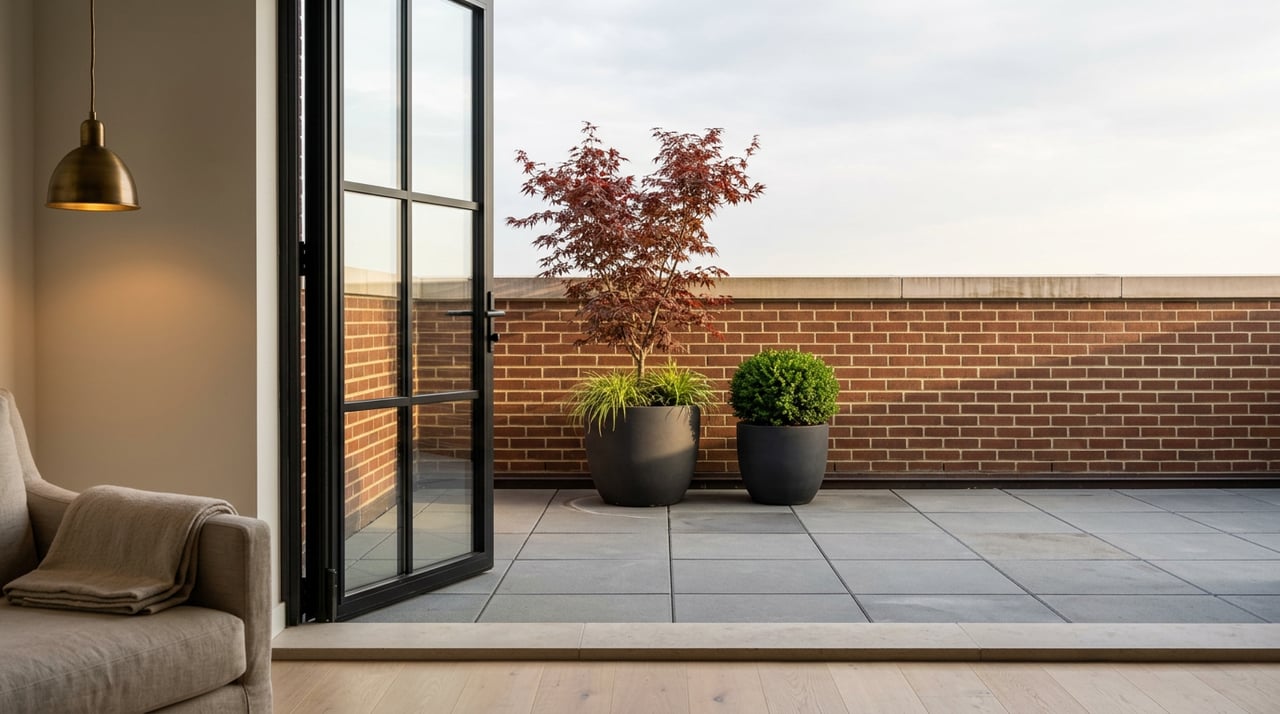
For families with outdoor areas—especially those with backyards, decks, or rooftop terraces—child safety extends beyond the interior of the home. Fences and gates should be in good condition and properly locked. Pools, ponds, or other water features should be securely covered and completely inaccessible to children without adult supervision.
In an urban neighborhood like Lincoln Park, outdoor spaces are often compact but still offer great play potential. Whether it’s a fenced-in yard or a shared community green space, clearly defining play boundaries and using soft surfaces like grass or rubber mulch can create a safer environment for children to enjoy the outdoors.
In an urban neighborhood like Lincoln Park, outdoor spaces are often compact but still offer great play potential. Whether it’s a fenced-in yard or a shared community green space, clearly defining play boundaries and using soft surfaces like grass or rubber mulch can create a safer environment for children to enjoy the outdoors.
Use a Layered Approach to Safety
No single device or change will make a home completely safe on its own. The key is layering multiple precautions to create an environment where risks are minimized and age-appropriate exploration is encouraged. Regularly reassessing safety measures as children grow ensures the home remains a secure place for all stages of development.
Many parents also choose to conduct a room-by-room safety check several times a year to stay ahead of potential issues. These evaluations can help identify wear and tear on safety equipment, shifts in furniture placement, or changes in child behavior that call for new strategies.
Many parents also choose to conduct a room-by-room safety check several times a year to stay ahead of potential issues. These evaluations can help identify wear and tear on safety equipment, shifts in furniture placement, or changes in child behavior that call for new strategies.
Creating a Comfortable Environment
A child-safe home doesn’t have to sacrifice style or comfort. With careful planning and subtle adjustments, parents can maintain beautiful living spaces while keeping children secure and supported. Whether it's a historic Lincoln Park brownstone or a newly built townhouse, every home can be adapted to meet a family’s safety needs.
For families looking to buy or sell a home in a community that values both design and livability, contact the Spradling | Roberts Team today for expert advice on navigating the Lincoln Park, IL real estate market. Their local insight and family-focused approach can help you find a home that meets your safety standards and lifestyle goals.
For families looking to buy or sell a home in a community that values both design and livability, contact the Spradling | Roberts Team today for expert advice on navigating the Lincoln Park, IL real estate market. Their local insight and family-focused approach can help you find a home that meets your safety standards and lifestyle goals.