By the Spradling | Roberts Team
Equity builds quietly, and the owners who end up with the most of it usually made a handful of unglamorous decisions early. Lincoln Park has been one of Chicago's most consistently desirable neighborhoods for decades, which gives ownership here a real advantage over time. If you’re wondering how to build equity in your property, here's how we'd think about the long run.
Key Takeaways
- Equity comes from paying down principal and from the market working in your favor.
- Extra principal payments early in a loan do the most work.
- Improvements that suit the property beat improvements that impress you.
- Condo owners have their own levers worth understanding.
What Actually Builds Equity Over Time?
Two things, working together. Every mortgage payment reduces the principal you owe, and a neighborhood with lasting demand adds value on the other side of the ledger. Lincoln Park has held that demand through a lot of market cycles, which is part of what makes ownership here compelling.
The Two Engines
- Principal paydown is the reliable one, since it happens on a schedule regardless of what the market does.
- Appreciation is the variable one, and it rewards owners who hold through full cycles rather than short windows.
- The early years of a loan go mostly to interest, which is why anything extra applied to principal in that period has an outsized effect.
- Location does a great deal of the work here, and the blocks nearest the park and the neighborhood's commercial corridors tend to hold value especially well.
How Can You Speed It Up?
By putting money against principal rather than into the house, at least at first. The math on extra payments is more favorable than most owners realize, and it requires no contractor and no permits.
Straightforward Moves
- Make one extra principal payment a year, which shortens the loan meaningfully over time.
- Round your monthly payment up and designate the difference toward principal.
- Apply windfalls like a bonus or a tax refund to principal when the rate environment makes that the better use.
- Review your loan periodically with a lender you trust, since the right move depends on your rate and how long you plan to stay.
- Avoid borrowing against equity for anything that doesn't build value, which keeps the gains you've made intact.
Which Improvements Actually Hold Value?
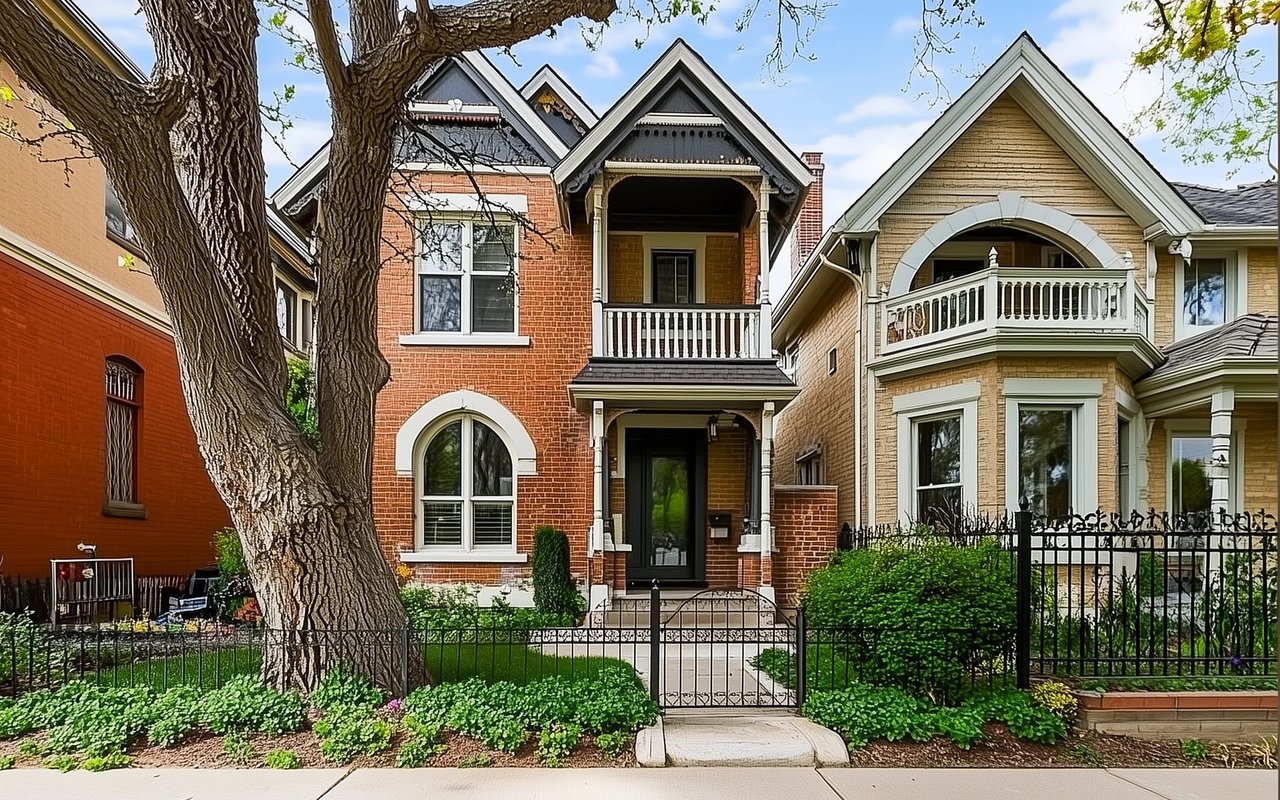
The ones that match the property and the block. In a neighborhood with Lincoln Park's mix of greystones, brick two-flats, and newer construction, the improvements that hold up are the ones a future buyer of that specific home would want.
Improving With Resale in Mind
- Kitchens and bathrooms remain the strongest long-term investments when the quality matches the house.
- Systems work, like heating, electrical, and roofing, protects value even though nobody photographs it.
- In an older home, restoring original millwork, floors, and plaster details is usually worth more than replacing them.
- Outdoor space is at a premium in the city, so a well-built roof deck or garage rooftop deck earns its keep.
- Be cautious about improving well past what comparable homes on your block support, since the market sets a ceiling regardless of what you spend.
What Should Condo Owners Know?
That some of your equity story is written by the association. A well-run building with healthy reserves supports values across every unit in it, and a building with deferred work does the opposite.
The Association Factor
- Read the reserve study and the meeting minutes each year, since they tell you what's coming.
- Assessments that fund real maintenance protect your value, so the lowest monthly figure isn't automatically the best one.
- Building-wide improvements like a lobby renovation or elevator modernization lift every unit in the building.
- In-unit improvements matter too, and kitchens, baths, and closet systems return the most in a condo.
- A current valuation is the simplest way to see where your equity actually stands today.
Frequently Asked Questions
How long should we plan to own to build real equity?
Five years or more is the usual guidance, and Lincoln Park has rewarded longer holds. The right answer depends on your rate, your costs, and your plans.
Is paying down the mortgage better than investing?
It depends on your rate and your goals, and it's a question for your financial advisor. What we can tell you is what improvements return in this specific market.
Does a rental unit in a two-flat help?
It can meaningfully, since income offsets carrying costs while the property appreciates. Lincoln Park has real two-flat and three-flat inventory, and we're glad to walk you through how those pencil out.
Reach Out to the Spradling | Roberts Team Today
Equity is built through ordinary decisions repeated over years, and knowing which ones matter in this particular neighborhood is the part we can help with. We've watched these blocks a long time.
If you own in Lincoln Park or you're thinking about buying here, reach out to the Spradling | Roberts Team, and let's look at where you stand. We'd love to help you make the most of what you own.
If you own in Lincoln Park or you're thinking about buying here, reach out to the Spradling | Roberts Team, and let's look at where you stand. We'd love to help you make the most of what you own.