When assessing the value of a home, one factor that consistently draws attention is the age of the property. For buyers, sellers, and real estate professionals alike, the age of a home carries both tangible and intangible implications. In neighborhoods like Lincoln Park, IL—where historic greystones stand alongside new construction—understanding how a home’s age affects its market value is essential for making informed decisions. Whether it’s the architectural charm of a century-old rowhouse or the efficiency of a modern condo, every home age bracket brings with it a unique set of advantages and challenges that influence pricing, demand, and resale potential.
The Appeal and Limitations of Older Homes
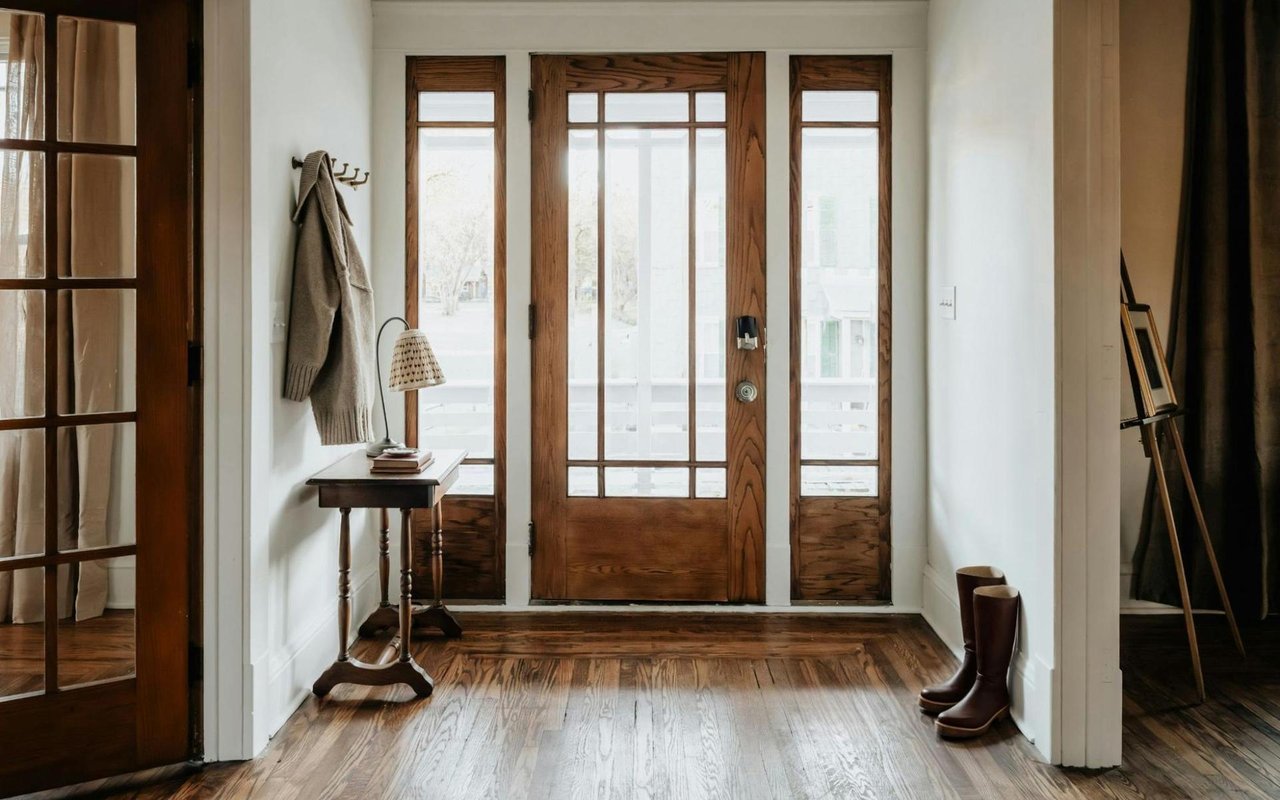
Older homes, particularly those built before the mid-20th century, often come with historic character, craftsmanship, and distinctive design features that are difficult to replicate in new construction. In areas like Lincoln Park, many buyers are drawn to original hardwood flooring, ornate woodwork, leaded glass windows, and classic architectural styles such as Victorian or Federal.
These properties often occupy prime locations and offer layouts that reflect the charm of the era in which they were built. For some buyers, the emotional appeal of owning a piece of history justifies a premium price point, especially when the home has been well-maintained or thoughtfully updated to meet modern standards.
However, older homes may also come with higher maintenance costs, outdated systems, and layout inefficiencies that don’t align with current buyer preferences. Electrical, plumbing, insulation, and roofing systems may need upgrades to meet today's safety and energy standards. These potential expenses are factored into the market value, and buyers may expect concessions or price flexibility to accommodate necessary improvements.
These properties often occupy prime locations and offer layouts that reflect the charm of the era in which they were built. For some buyers, the emotional appeal of owning a piece of history justifies a premium price point, especially when the home has been well-maintained or thoughtfully updated to meet modern standards.
However, older homes may also come with higher maintenance costs, outdated systems, and layout inefficiencies that don’t align with current buyer preferences. Electrical, plumbing, insulation, and roofing systems may need upgrades to meet today's safety and energy standards. These potential expenses are factored into the market value, and buyers may expect concessions or price flexibility to accommodate necessary improvements.
The Value of Modern Construction
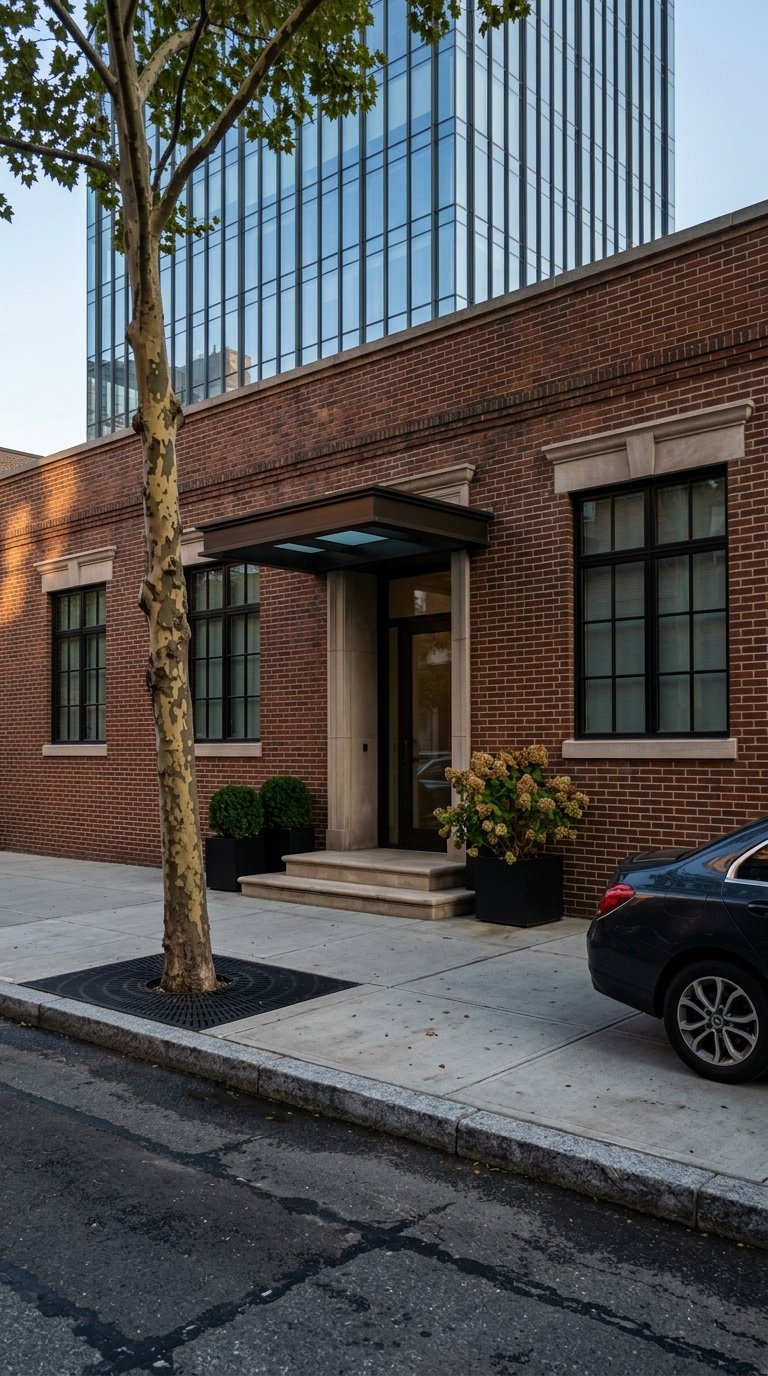
Newer homes, particularly those built in the last 10 to 20 years, typically command higher price points based on their condition, updated systems, and alignment with modern lifestyles. Open floor plans, energy-efficient appliances, smart home technology, and luxury finishes are among the many features today’s buyers prioritize, especially in high-demand markets like Lincoln Park.
Modern construction offers peace of mind when it comes to code compliance and lower maintenance needs. For many buyers, the assurance that HVAC systems, roofs, and windows won’t require immediate replacement adds significant perceived value. As a result, newer homes often sell faster and closer to list price, particularly if they’re located in desirable neighborhoods or school zones.
That said, some buyers view newly constructed homes as lacking the “soul” or character of older homes. Builders who integrate timeless materials and architectural details tend to appeal more broadly, balancing the allure of new with the charm of tradition.
Modern construction offers peace of mind when it comes to code compliance and lower maintenance needs. For many buyers, the assurance that HVAC systems, roofs, and windows won’t require immediate replacement adds significant perceived value. As a result, newer homes often sell faster and closer to list price, particularly if they’re located in desirable neighborhoods or school zones.
That said, some buyers view newly constructed homes as lacking the “soul” or character of older homes. Builders who integrate timeless materials and architectural details tend to appeal more broadly, balancing the allure of new with the charm of tradition.
Renovated Homes: The Best of Both Worlds
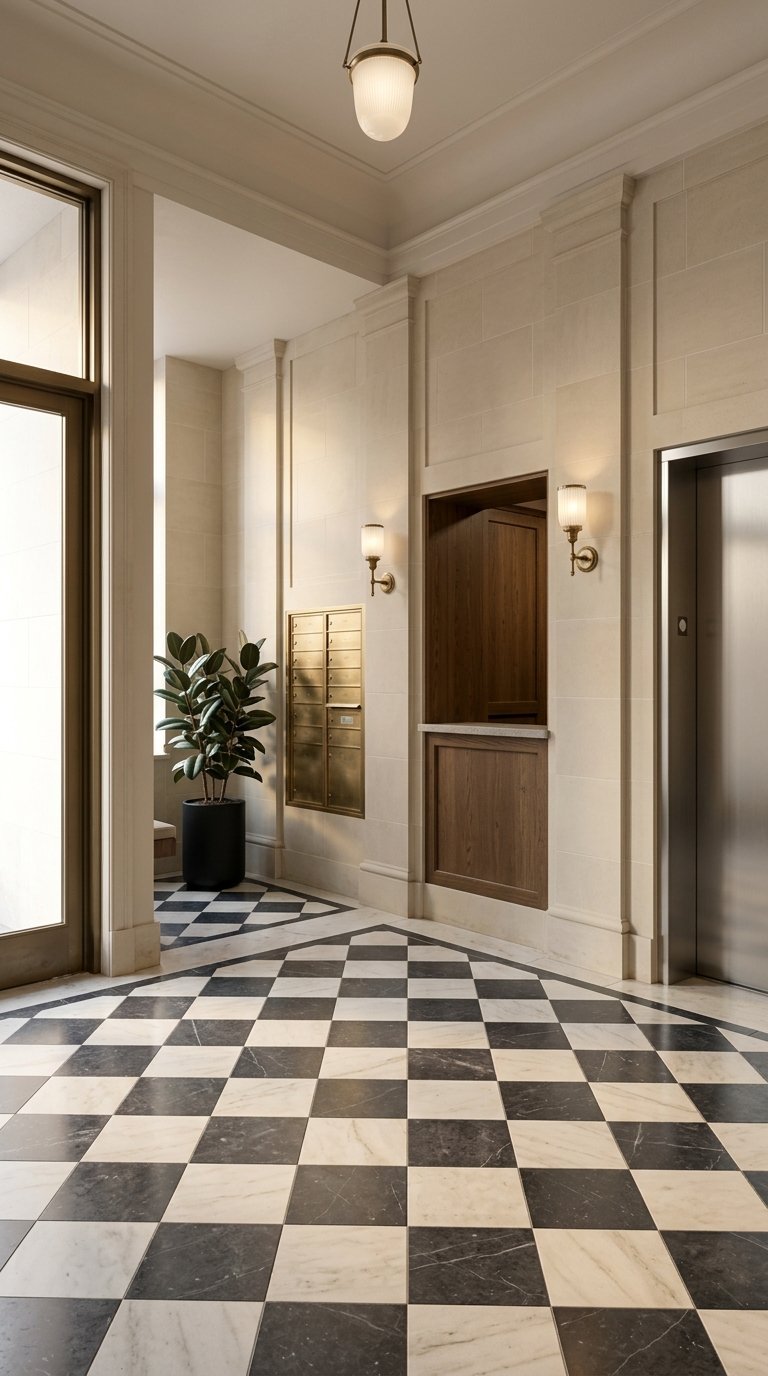
In today’s market, renovated homes occupy a valuable middle ground between old and new. These properties often retain original design elements while offering updates that align with modern living—such as open kitchens, updated bathrooms, and improved mechanical systems. Buyers appreciate not having to undertake renovations themselves, especially when updates have been executed professionally and with cohesive design choices.
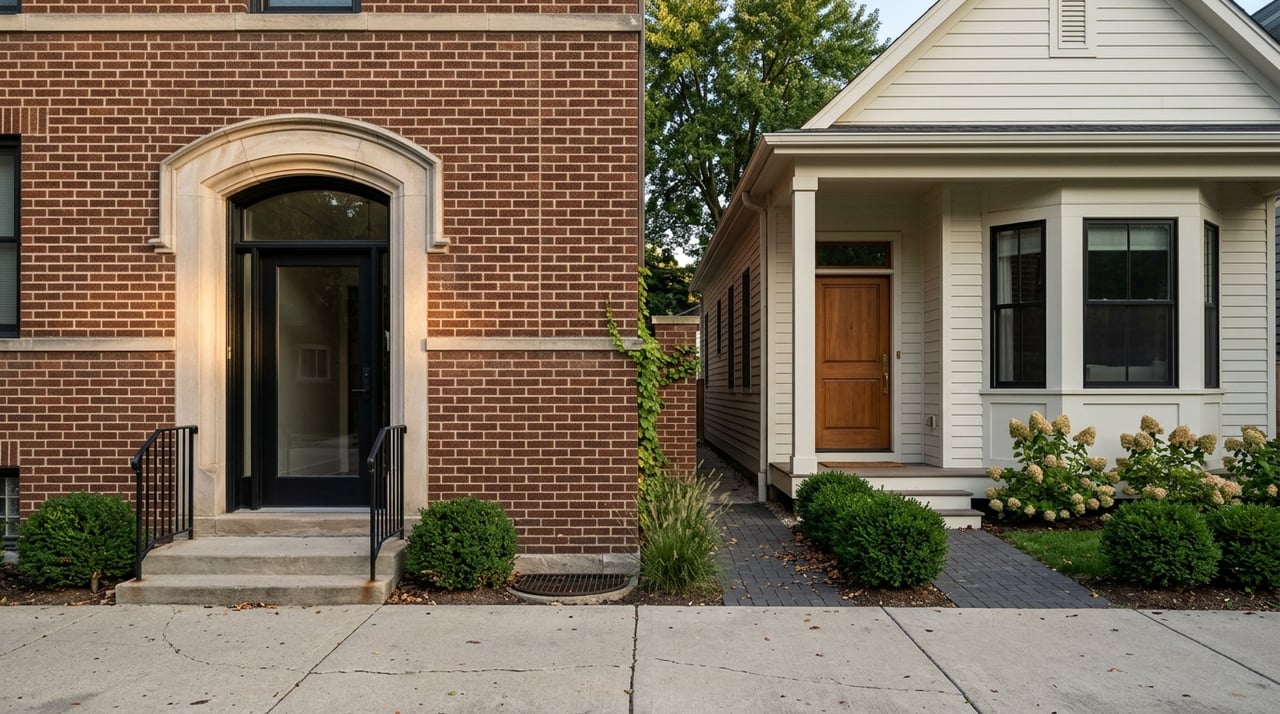
In Lincoln Park, where both vintage homes and newer developments coexist, renovated properties frequently stand out. A well-updated 1920s brownstone with central air, new windows, and a chef’s kitchen can often command prices that rival or exceed those of newly built homes, especially if the updates preserve historic character.
However, not all renovations are created equal. Aesthetic upgrades that overlook structural or system deficiencies may negatively impact long-term value. Buyers and appraisers alike differentiate between superficial changes and comprehensive updates when determining a home’s market value.
In Lincoln Park, where both vintage homes and newer developments coexist, renovated properties frequently stand out. A well-updated 1920s brownstone with central air, new windows, and a chef’s kitchen can often command prices that rival or exceed those of newly built homes, especially if the updates preserve historic character.
However, not all renovations are created equal. Aesthetic upgrades that overlook structural or system deficiencies may negatively impact long-term value. Buyers and appraisers alike differentiate between superficial changes and comprehensive updates when determining a home’s market value.
How Appraisers and Buyers Evaluate Age
Appraisers consider home age when assessing value, but they weigh it alongside condition, location, and recent sales of comparable properties. A well-maintained 100-year-old home may appraise higher than a 30-year-old home in poor condition, particularly in a market that values historical architecture. Buyers tend to use home age as a proxy for potential maintenance, but their perceptions can be influenced by quality upgrades and overall presentation.
When pricing a home for sale, sellers should consider not only the age of the property but also its upkeep, recent renovations, and alignment with buyer trends. A proactive approach to repairs, documentation of upgrades, and attention to curb appeal can help offset concerns tied to a home’s age and enhance its perceived value.
When pricing a home for sale, sellers should consider not only the age of the property but also its upkeep, recent renovations, and alignment with buyer trends. A proactive approach to repairs, documentation of upgrades, and attention to curb appeal can help offset concerns tied to a home’s age and enhance its perceived value.
Trends in Buyer Preferences
While modern amenities remain high on buyers’ wish lists, there is a growing appreciation for homes that offer character, quality construction, and thoughtful integration of old and new. In Lincoln Park, for example, the demand for architecturally significant homes with updated interiors continues to rise. Buyers are willing to invest in homes that balance authenticity with functionality.
Market value is ultimately influenced by what buyers are willing to pay, and that willingness is shaped by a property’s age, presentation, and perceived livability. Sellers who position their homes strategically—highlighting benefits and mitigating age-related concerns—can maximize both interest and final sale price.
Market value is ultimately influenced by what buyers are willing to pay, and that willingness is shaped by a property’s age, presentation, and perceived livability. Sellers who position their homes strategically—highlighting benefits and mitigating age-related concerns—can maximize both interest and final sale price.
Finding Value Regardless of Age
Every property tells a story, and the age of a home is just one chapter. Whether a home is freshly built, recently renovated, or historically preserved, its market value depends on a combination of factors that include condition, location, design, and buyer expectations. Understanding how age plays into this equation allows both buyers and sellers to navigate the market more effectively.
In a neighborhood like Lincoln Park, where real estate spans generations of architectural styles and construction eras, working with an experienced real estate team is essential. The ability to assess value accurately, position properties strategically, and guide buyers toward informed decisions makes all the difference.
For expert insight into how home age impacts value and to explore the best opportunities in the Lincoln Park market, contact the Spradling | Roberts Team today for personalized service and local real estate expertise.
In a neighborhood like Lincoln Park, where real estate spans generations of architectural styles and construction eras, working with an experienced real estate team is essential. The ability to assess value accurately, position properties strategically, and guide buyers toward informed decisions makes all the difference.
For expert insight into how home age impacts value and to explore the best opportunities in the Lincoln Park market, contact the Spradling | Roberts Team today for personalized service and local real estate expertise.