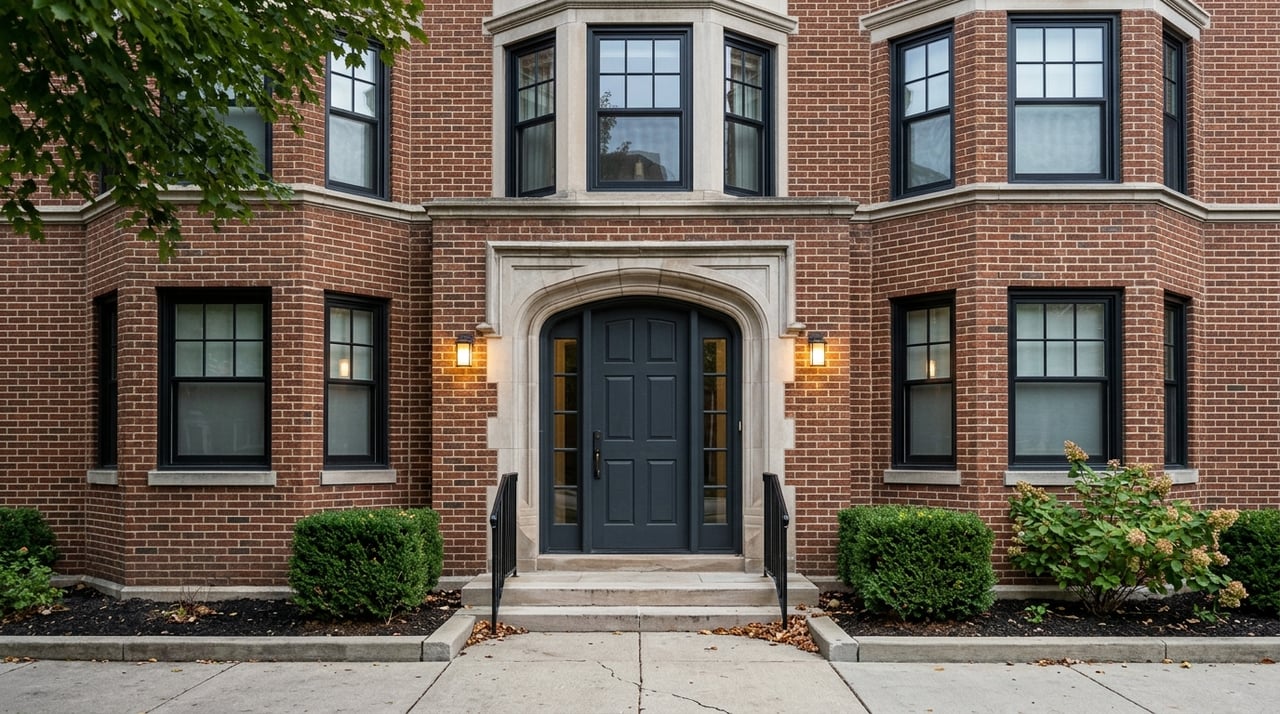
Wondering how to buy your next home in Lincoln Park without everything colliding at once? If you already own a home and want more space, a different layout, or a better fit for your next chapter, the hardest part is usually not the search. It is coordinating the sale of your current home with the purchase of the next one. In a smaller Decatur-area neighborhood like Lincoln Park, where inventory can be limited, a clear plan can save you time, stress, and money. Let’s dive in.
Why move-up planning matters in Lincoln Park
Lincoln Park is a small neighborhood market, and that changes how you should approach a move-up. As of April 2026, Realtor.com reported 7 homes for sale in Lincoln Park, with a median listing price of $48,450. When inventory is that limited, even a few listings or sales can affect what buyers and sellers feel in real time.
That does not mean you should overreact to one month of data. It does mean timing matters. If you are trying to sell and buy at the same time, a small listing pool can make your next-step options feel tighter, so preparation becomes a major advantage.
At the Decatur level, the market is active but still relatively affordable. In March 2026, Realtor.com reported 297 homes for sale, a median listing price of $133,700, a median sold price of $115,500, 36 median days on market, and a 97% sale-to-list ratio, while classifying Decatur as a balanced market.
Start with your equity and budget
Before you tour homes, get clear on what your current home can help fund. Your move-up budget is not just about the price of the next home. It also depends on your existing equity, your monthly payment comfort, and how much cash you want to keep available for closing costs, repairs, and moving.
This matters in Decatur and Macon County because affordability is part of the local story. Census data shows a 62.3% owner-occupied housing rate in Decatur, with a median owner-occupied home value of $97,300. In Macon County, the owner-occupied rate is 69.8%, with a median owner-occupied value of $121,800.
If you are moving up, think beyond principal and interest. Your monthly housing cost can also include property taxes, insurance, utilities, maintenance, and any overlap between two homes if your timing is not perfect.
Remember the full cost of moving up
A move-up purchase often feels more expensive than expected because there are more moving pieces than just the mortgage. Closing costs, prepaid items, inspections, moving expenses, and possible temporary housing can all affect your cash position.
Property taxes are one important local factor. According to the City of Decatur, its share of the property-tax bill is 15.4% of the total, while schools account for 49.5%, parks 11.6%, and the county 11.1%, with the rest split among other taxing bodies. That is a helpful reminder to review the full monthly picture, not just the list price.
Illinois also uses a real-estate transfer-tax stamp system on recorded deeds. The state says counties may impose 25 cents per $500 of value, and home-rule municipalities may add another transfer tax. In other words, your closing costs may include more than lender fees and escrow deposits.
Choose your sequence early
The biggest move-up decision is simple to say and harder to answer: should you sell first or buy first? The right choice depends on your cash reserves, your comfort with risk, and how flexible you can be on timing.
Option 1: Sell first
Selling first gives you the clearest picture of your proceeds. You will know what your home actually sold for, how much equity you can apply to the next purchase, and what your payment range looks like after closing.
This path can reduce financial pressure, especially if you want to avoid carrying two homes at once. It can also help you shop with more confidence because you are working from known numbers rather than estimates.
The tradeoff is that you may need a temporary plan if your next home is not available right away. That might mean negotiating extra time in your current home after closing or arranging a short-term housing solution while you search.
Option 2: Buy first
Buying first can make sense if the right home appears and you do not want to miss it. In a small neighborhood where choices may be limited, that flexibility can matter.
The challenge is that you may need to qualify while still owning your current home. You also need a plan for down payment funds, monthly overlap, and what happens if your current home takes longer to sell than expected.
Use contingencies to protect your timeline
If your sale and purchase need to work together, the contract structure matters. A contingency is a condition that must be met before the transaction can be completed, and for move-up buyers, a few are especially important.
Key contingencies for move-up buyers
Common contingencies include:
- Financing contingency
- Appraisal contingency
- Inspection contingency
- Home sale contingency
- Home close contingency
A home sale contingency means your purchase depends on selling your current home. A home close contingency goes one step further and ties the purchase to your current home actually closing, not just going under contract.
These terms can reduce risk, but they can also affect how appealing your offer looks to a seller. NAR notes that sellers who accept a home-sale or home-close contingency can often keep showing the property and may include a kick-out clause.
What a kick-out clause means
A kick-out clause gives the seller a way to keep marketing the home while your contingency is in place. If another buyer comes along without the same condition, you may need to remove your contingency or step aside.
That is why strong planning matters. If you know your likely sale timeline, financing strength, and fallback options, you can use contingencies more strategically instead of relying on them as a last-minute fix.
Rent-back can solve a closing gap
Sometimes the cleanest answer is not changing the purchase date. It is changing who stays where after closing. A rent-back clause allows a seller to remain in the home for a set time after closing if both parties agree.
This can be useful if you sell your current home before your next property is ready. The contract should clearly spell out rental compensation, the move-out date, and other terms so both sides know exactly what to expect.
Early move-in arrangements can also happen, but they need careful negotiation and very specific terms. In either case, the goal is to line up possession dates in a way that reduces disruption.
Bridge financing may give you flexibility
If you want to buy before your current home sells, bridge financing may be worth discussing with your lender. NAR says bridge loans can let homeowners tap equity in their existing home before it sells, helping them buy the next property without depending on a sale contingency.
That can make your offer more competitive because it removes one of the biggest conditions sellers worry about. In a tighter inventory environment, that can be a real advantage.
Still, bridge financing is not a shortcut around affordability. Fannie Mae says bridge or swing loans are acceptable when they are not cross-collateralized against the new property and when the lender documents the borrower’s ability to carry the current home, the new home, the bridge loan, and other obligations.
In plain language, bridge financing can solve a timing problem, but only if the numbers work. It is best used as a carefully reviewed tool, not an automatic answer.
Keep your offer and cash strategy realistic
In a move-up transaction, preserving liquidity matters. You may need cash for your down payment, inspection items, moving costs, or repairs in the new home.
Seller-paid closing costs can sometimes help, but they are negotiated directly with the seller. CFPB notes that this can create appraisal issues if the home price is pushed higher to offset those concessions. That makes it important to balance short-term cash relief with the overall strength of the deal.
A practical move-up checklist
If you are planning a move-up within Lincoln Park or the wider Decatur area, focus on sequence first and details second. A clear order of operations usually creates a smoother transaction.
Here is a practical framework:
- Estimate your current home’s likely sale range.
- Review your mortgage payoff and usable equity.
- Build a monthly budget that includes taxes, insurance, and possible overlap.
- Decide whether you are more comfortable selling first or buying first.
- Talk with a lender about your financing options, including whether bridge financing is realistic.
- Identify which contingencies you may need and how they could affect your offer strength.
- Consider whether a rent-back could help align your closing dates.
- Prepare for inspection costs, closing costs, moving expenses, and reserves.
Why local timing matters more here
In a larger market, you may have more room to wait for the next listing or pivot if a deal falls apart. In Lincoln Park, the smaller listing pool means your choices may be narrower at any given moment.
That is why the smartest move-up strategy is usually not about rushing. It is about entering the market prepared, with a clear budget, an agreed financing path, and a contract approach that fits your risk tolerance.
When you treat your move as a sequence problem instead of just a shopping trip, you give yourself better odds of landing the right next home without unnecessary pressure. If you want a polished, highly coordinated plan for your next move, Jonathon Spradling can help you think through timing, positioning, and the details that make a complex transition feel more manageable.
FAQs
How does a move-up home purchase work in Lincoln Park, Decatur?
- A move-up purchase usually means selling your current home and buying a larger or better-fit home while coordinating timing, equity, financing, and contract terms.
What is the biggest challenge with a move-up transaction in Lincoln Park?
- The biggest challenge is aligning the sale of your current home with the purchase of your next one, especially in a small neighborhood where available listings may be limited.
Should you sell your current home before buying your next home in Decatur?
- Selling first can give you more certainty about your proceeds and budget, while buying first can offer more flexibility if the right home appears, but it may require stronger cash flow or financing options.
What contingencies matter most for a Lincoln Park move-up buyer?
- The most relevant contingencies are usually financing, appraisal, inspection, home sale, and home close contingencies.
Can a rent-back agreement help with a move-up sale in Decatur?
- Yes. A rent-back can allow you to sell your current home, close the transaction, and stay in place for a short period while your next home or move plans come together.
Is bridge financing an option for buying before selling in Macon County?
- It can be, if you qualify. Bridge financing may help you access equity before your current home sells, but your lender still has to confirm that you can carry all related housing obligations.