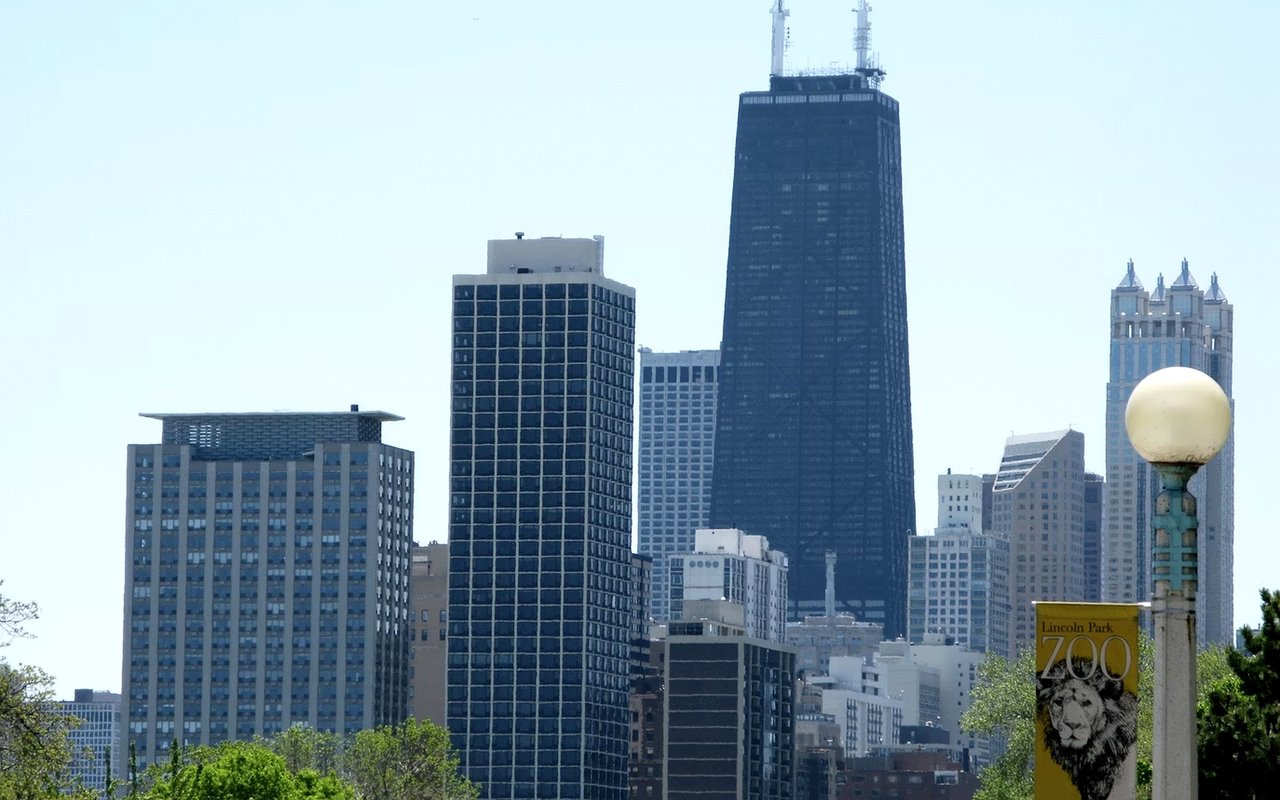
Lincoln Park offers a remarkable concentration of historic and contemporary design, making it one of Chicago’s most architecturally engaging neighborhoods. The area blends 19th-century craftsmanship, early 20th-century institutions, and modern residential construction that continues to evolve the streetscape. Anyone interested in Lincoln Park IL architecture will find a thoughtful mix of tradition and innovation across its blocks, parks, and institutions.
The Chicago History Museum
The Chicago History Museum anchors the southern edge of Lincoln Park with a striking design that dates to its 1932 construction. The Georgian Revival style sets the tone for the museum’s presence, defined by its symmetrical facade, brick exterior, and prominent entryway. Architectural updates and additions over the decades expanded its footprint while preserving the core character of the original building.
As one of the neighborhood’s most recognized institutions, the museum exemplifies how civic buildings in Lincoln Park strike a balance between permanence and adaptability. While the neighborhood has changed significantly, the museum remains a stable reference point for Lincoln Park IL architecture, offering a rare mix of historical preservation and subtle modernization.
As one of the neighborhood’s most recognized institutions, the museum exemplifies how civic buildings in Lincoln Park strike a balance between permanence and adaptability. While the neighborhood has changed significantly, the museum remains a stable reference point for Lincoln Park IL architecture, offering a rare mix of historical preservation and subtle modernization.
Saint Vincent de Paul Church
Saint Vincent de Paul Church is one of Lincoln Park’s most distinctive religious structures. Completed in 1897, the building was designed in the Romanesque Revival style and stands out with its limestone exterior, twin bell towers, and semicircular arches. The church’s intricate detailing, evident in its window frames, doorways, and rooflines, emphasizes the craftsmanship that continues to impress generations of visitors.
As part of the DePaul University campus, the church plays a significant architectural and cultural role in the daily lives of students. It reinforces the neighborhood’s connection to institutional architecture and offers one of the clearest examples of late 19th-century design still in active use. The building exemplifies how religious structures in Lincoln Park have contributed to the area’s architectural identity while serving as functional spaces for community gatherings.
As part of the DePaul University campus, the church plays a significant architectural and cultural role in the daily lives of students. It reinforces the neighborhood’s connection to institutional architecture and offers one of the clearest examples of late 19th-century design still in active use. The building exemplifies how religious structures in Lincoln Park have contributed to the area’s architectural identity while serving as functional spaces for community gatherings.
Lincoln Park Conservatory
The Lincoln Park Conservatory showcases late 19th-century glasshouse engineering with an elegant iron-and-glass structure designed in the Victorian style. Completed in the 1890s, it features four distinct display houses connected by a linear corridor, each with its own climate and design. The exterior, with its curved rooflines, symmetrical footprint, and transparent elevations, makes the building an architectural highlight along Fullerton Avenue.
Inside, the structure emphasizes airflow, light, and controlled temperature. The Conservatory remains a clear example of how public architecture embraced engineering innovation to serve both function and beauty. It continues to represent an important chapter in Lincoln Park IL architecture, especially for those interested in the evolution of botanical structures.
Inside, the structure emphasizes airflow, light, and controlled temperature. The Conservatory remains a clear example of how public architecture embraced engineering innovation to serve both function and beauty. It continues to represent an important chapter in Lincoln Park IL architecture, especially for those interested in the evolution of botanical structures.
Alfred Caldwell Lily Pool Pavilion
The Alfred Caldwell Lily Pool is best known for its landscape design, but the pavilion and stone structures that sit throughout the site offer distinct architectural interest. Built in the Prairie School tradition during the 1930s, the pavilion emphasizes horizontal lines, natural materials, and seamless integration with its surroundings. Limestone paths, low walls, and carefully placed wood elements reflect the influence of Frank Lloyd Wright, who shaped the broader movement.
The pavilion’s open-air form creates a direct connection between built elements and the natural environment. Every line, elevation, and material choice reinforces Caldwell’s vision for a calm, interconnected space. This landmark stands as one of the clearest examples of Prairie-style work in Lincoln Park, offering a counterpoint to the area’s many Victorian and Romanesque structures.
The pavilion’s open-air form creates a direct connection between built elements and the natural environment. Every line, elevation, and material choice reinforces Caldwell’s vision for a calm, interconnected space. This landmark stands as one of the clearest examples of Prairie-style work in Lincoln Park, offering a counterpoint to the area’s many Victorian and Romanesque structures.
Elks National Memorial
The Elks National Memorial is one of the most impressive Beaux-Arts structures in Chicago. Completed in 1926, the building features a dramatic rotunda, marble colonnade, and grand staircases that lead to an imposing entrance. Sculptural elements and carved stone details add depth to its monumental appearance, making it a standout along the northern section of Lincoln Park.
Inside, the building continues its classical influence with mosaics, stained glass, and an expansive dome that creates powerful acoustics. The symmetry and formality reinforce the Beaux-Arts commitment to harmony and proportion. For those exploring Lincoln Park IL architecture, the memorial represents one of the neighborhood’s most ornate and ceremonially significant buildings.
Inside, the building continues its classical influence with mosaics, stained glass, and an expansive dome that creates powerful acoustics. The symmetry and formality reinforce the Beaux-Arts commitment to harmony and proportion. For those exploring Lincoln Park IL architecture, the memorial represents one of the neighborhood’s most ornate and ceremonially significant buildings.
The DePaul University Campus Historic Core
DePaul University contributes several critical architectural sites to the neighborhood. Buildings such as the Richardson Library and the original Lewis Center reflect early 20th-century academic architecture with brick exteriors, decorative stonework, and collegiate Gothic influences. These structures help define the campus’s identity and contribute to the fabric of central Lincoln Park.
DePaul’s ongoing campus updates integrate contemporary design strategies into an established architectural framework. Newer buildings incorporate modern materials while respecting height, scale, and courtyard patterns that anchor the older structures. This blend makes the DePaul campus one of the most architecturally diverse sections of the neighborhood and a compelling study in how institutions adapt over time.
DePaul’s ongoing campus updates integrate contemporary design strategies into an established architectural framework. Newer buildings incorporate modern materials while respecting height, scale, and courtyard patterns that anchor the older structures. This blend makes the DePaul campus one of the most architecturally diverse sections of the neighborhood and a compelling study in how institutions adapt over time.
The Francis W. Parker School
Founded in 1901, the Francis W. Parker School presents a distinctive approach to institutional architecture. The main building, constructed in phases, embodies practical early 20th-century design with a focus on light, openness, and community use. Its brick exterior, large windows, and functional layout reflect educational design priorities from the era.
As the school expanded, new structures were added that respect the proportions and materials of the original campus. The result is a cohesive set of buildings that maintain architectural clarity while providing modern educational spaces.
As the school expanded, new structures were added that respect the proportions and materials of the original campus. The result is a cohesive set of buildings that maintain architectural clarity while providing modern educational spaces.
Contemporary Residential Architecture
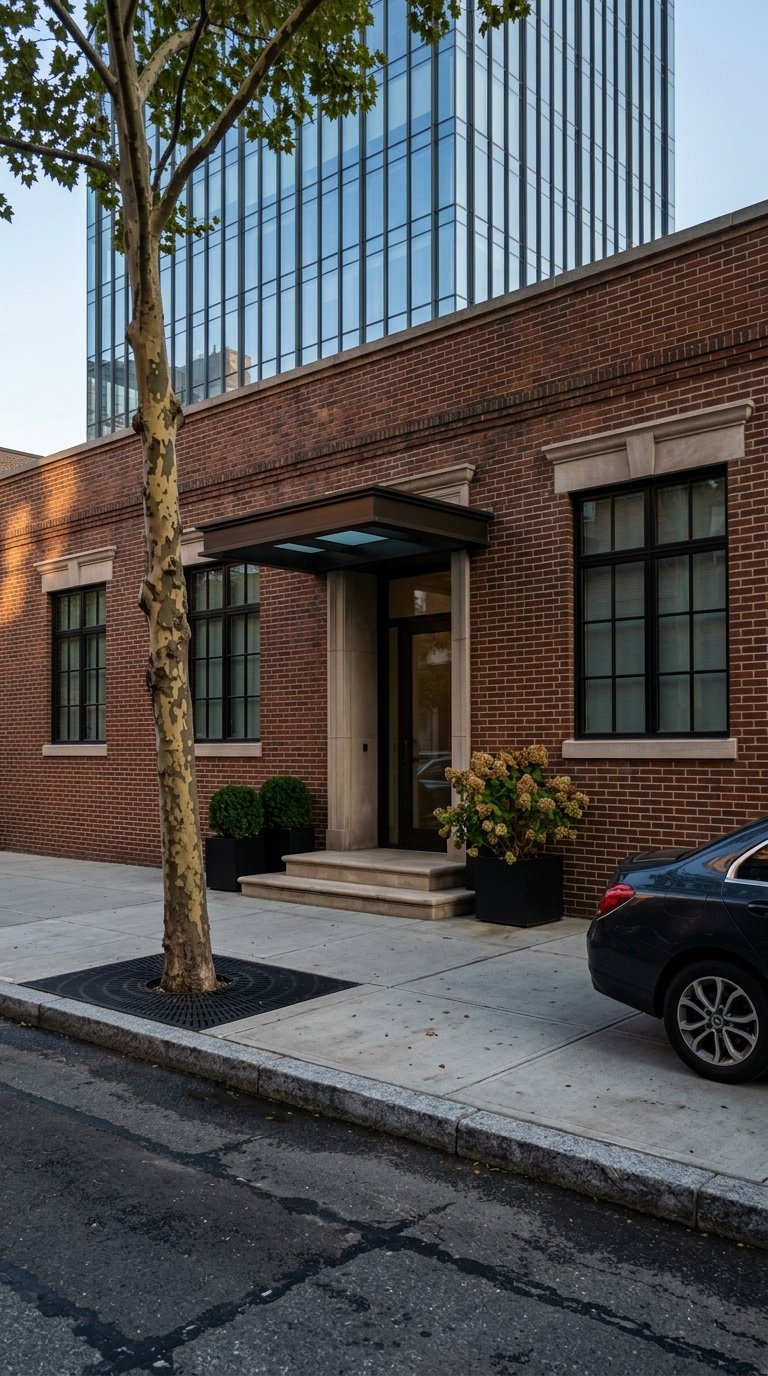
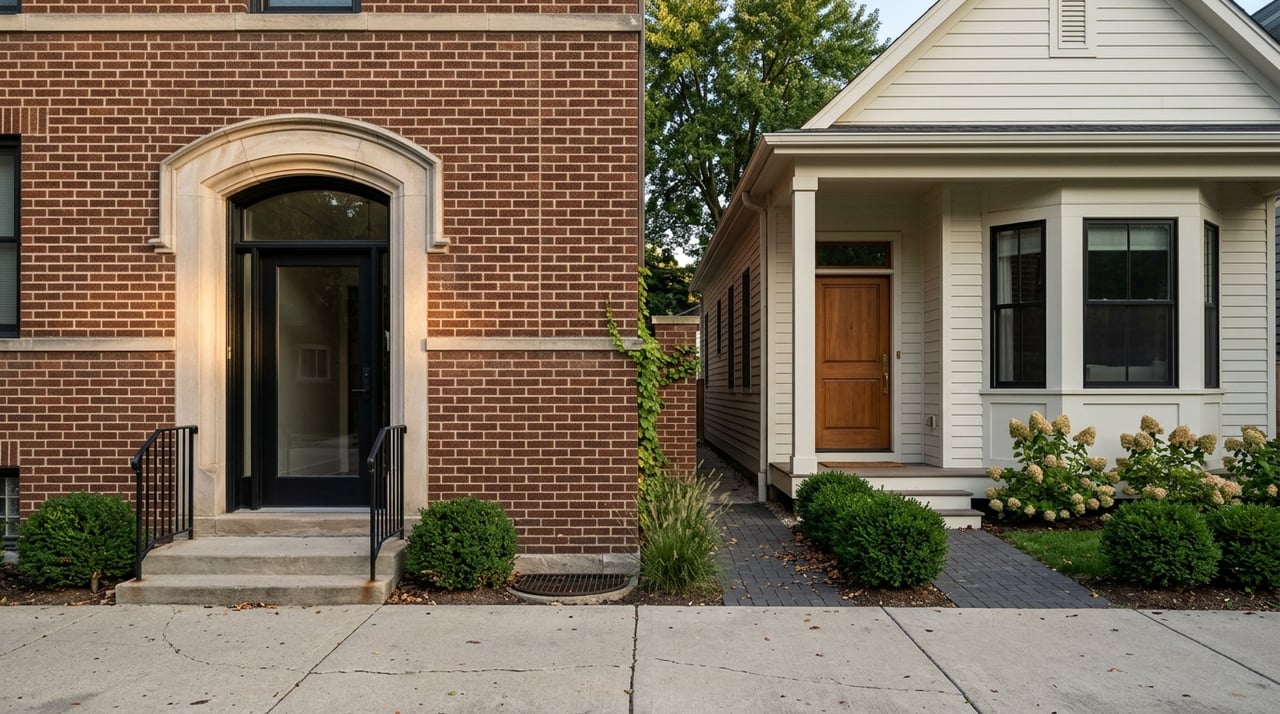
Beyond its historic buildings, Lincoln Park showcases a dynamic range of contemporary residential architecture. Many modern homes feature clean lines, glass facades, metal accents, and open floor plans designed to maximize natural light. These homes often sit beside restored Victorian and early 20th-century residences, creating a distinctive blend of old and new.
Recent custom builds emphasize the use of sustainable materials, rooftop terraces, and expansive indoor-outdoor transitions. This ongoing evolution keeps Lincoln Park at the forefront of Chicago residential design and demonstrates how new construction can enhance an already architecturally dense neighborhood.
Recent custom builds emphasize the use of sustainable materials, rooftop terraces, and expansive indoor-outdoor transitions. This ongoing evolution keeps Lincoln Park at the forefront of Chicago residential design and demonstrates how new construction can enhance an already architecturally dense neighborhood.
Historic Rowhomes and Brownstones
The neighborhood’s historic rowhomes add depth to the architectural landscape. Many date to the late 1800s and early 1900s, featuring sandstone facades, bay windows, decorative cornices, and cast-iron details. These homes often include raised entrances and deep setbacks that contribute to a visually cohesive streetscape.
Restoration efforts across Lincoln Park have helped preserve these facades while updating interiors for modern living. Walking along streets like Burling, Orchard, and Cleveland offers a clear understanding of how these homes contribute to the neighborhood’s identity.
Restoration efforts across Lincoln Park have helped preserve these facades while updating interiors for modern living. Walking along streets like Burling, Orchard, and Cleveland offers a clear understanding of how these homes contribute to the neighborhood’s identity.
Find Your Dream Home in Lincoln Park
Those interested in exploring homes near these architectural landmarks can turn to Jonathon Spradling for guidance. Jonathon’s deep knowledge of Lincoln Park’s architecture and market trends empowers buyers to discover homes that perfectly reflect their lifestyle and design sensibilities.
Reach out to Jonathon Spradling to begin your search in one of Chicago’s most architecturally compelling neighborhoods.
Reach out to Jonathon Spradling to begin your search in one of Chicago’s most architecturally compelling neighborhoods.