What if you could live in a Chicago neighborhood where a major university, a walkable commercial corridor, and the lakefront all shape your daily routine? That is the appeal of Hyde Park. If you are considering a move here, it helps to understand how the neighborhood actually feels, how people get around, and what kinds of homes you are most likely to find. Let’s dive in.
Hyde Park at a Glance
Hyde Park is an official Chicago community area on the South Side. It is bounded by 51st Street and Hyde Park Boulevard to the north, the Midway Plaisance to the south, Washington Park to the west, and Lake Michigan to the east.
You are about seven miles south of the Loop, but the neighborhood does not read like a typical downtown extension. The overall feel is more residential and campus-oriented, with a college-town energy shaped by the University of Chicago, local cultural institutions, and steady pedestrian activity.
Rather than centering around one traditional downtown core, Hyde Park is organized around three major anchors. Those anchors are the university campus, the lakefront, and the 53rd Street corridor.
Why Hyde Park Feels Distinct
A big part of Hyde Park’s identity comes from the University of Chicago. The university describes the area as a place where students, faculty, researchers, artists, and longtime residents coexist, which helps explain the neighborhood’s layered and active street life.
That campus presence is not a small detail. The university notes that more than 60% of its faculty and their families live in Hyde Park, and it owns and manages 1,300 apartment units across 28 buildings in the neighborhood.
For you as a buyer or relocator, that means Hyde Park often feels busy, intellectual, and highly lived-in. You are not just choosing a home near a campus. You are choosing a neighborhood where the campus shapes everyday patterns, from foot traffic to dining to cultural programming.
Campus and Culture in Daily Life
If you value easy access to museums, architecture, and year-round programming, Hyde Park stands out. Its cultural identity is unusually tied to the campus and nearby institutions, which gives the neighborhood a depth that goes beyond housing alone.
The Smart Museum of Art sits on the north edge of campus and is free and open to the public. Other major institutions include the Institute for the Study of Ancient Cultures and the Robie House, Frank Lloyd Wright’s landmark home on South Woodlawn Avenue.
The Griffin Museum of Science and Industry is also in Hyde Park and remains one of the neighborhood’s biggest visitor destinations. Together, these institutions help create a lifestyle where museums, bookstores, concerts, theater, and arts programming are part of the local rhythm.
Lakefront Access Is a Real Lifestyle Feature
In Hyde Park, the lakefront is not just a nearby amenity. It is part of how the neighborhood lives day to day.
The eastern edge of Hyde Park blends into parks, beaches, and shoreline spaces in a way that feels different from many other Chicago neighborhoods. Near Jackson Park and the water, the area takes on more of a park-and-lake character than a dense urban block pattern.
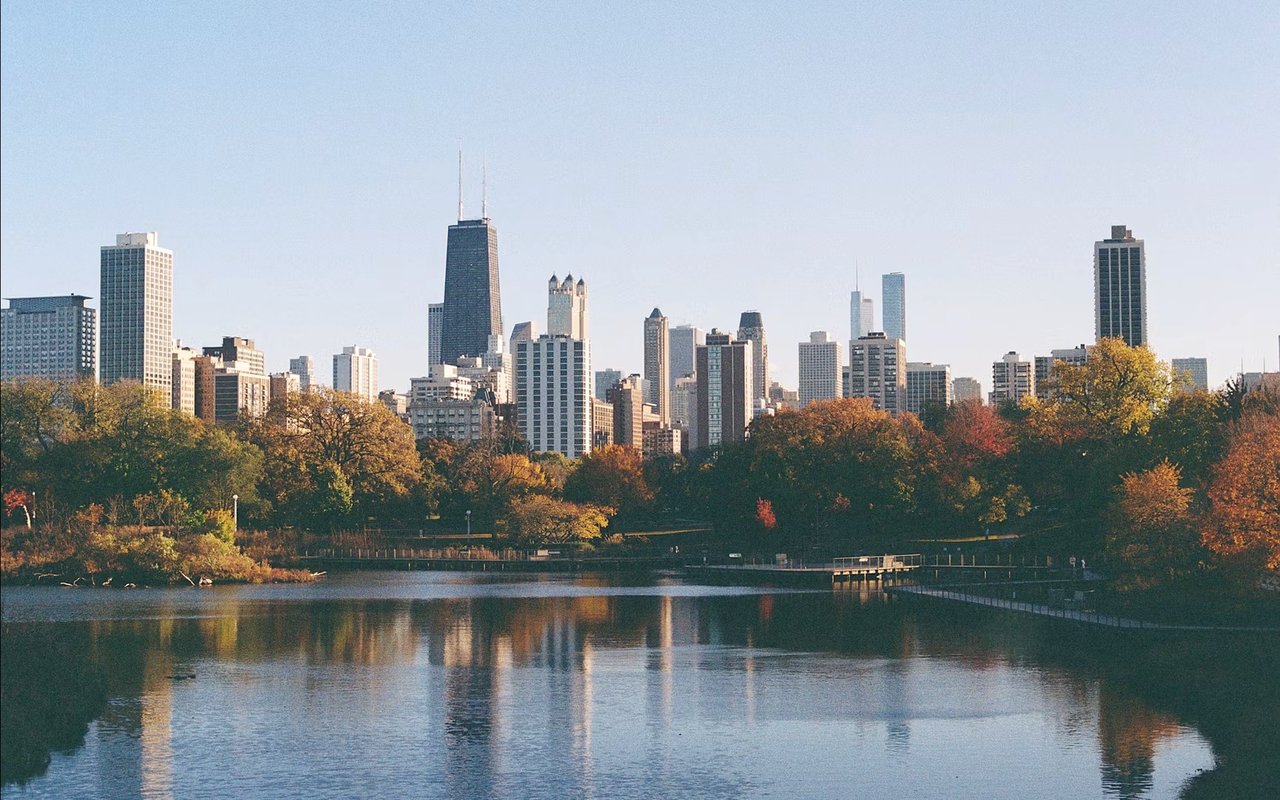
57th Street Beach is one of the most recognizable outdoor destinations in the area. Located in Jackson Park, it offers skyline views and easy public access to the water.
Promontory Point is another defining feature of the south lakefront. It is one of the most notable public spaces nearby and a favorite reference point when people describe the Hyde Park outdoor experience.
The Lakefront Trail also plays a major role in both recreation and mobility. The Chicago Park District’s trail separation project created a dedicated 18-mile bike trail and an 18.5-mile pedestrian trail, making movement along the lakefront more organized for everyday use.
Chicago’s beaches are free, and the city has 26 miles of open lakefront managed by the Chicago Park District. For Hyde Park residents, that means public waterfront access is built into neighborhood life rather than treated like an occasional outing.
Getting Around Hyde Park
If you are relocating, transportation is usually one of the first practical questions. Hyde Park offers several options, especially if you want flexibility between local movement and downtown access.
The University of Chicago notes that CTA buses serve campus and Hyde Park. Campus shuttles also circulate locally, which adds another layer of neighborhood mobility.
For rail access downtown, the Metra Electric line is an important option. That mix of bus, shuttle, and commuter rail service can make Hyde Park especially appealing if you want a neighborhood feel without giving up access to the rest of Chicago.
53rd Street and Everyday Convenience
When people talk about day-to-day Hyde Park, 53rd Street almost always comes up. It is the neighborhood’s oldest shopping district and one of the clearest commercial anchors in the area.
The corridor is lined with small businesses and restaurants, and Harper Court extends that activity with additional retail presence and a summer farmers market. Instead of a single polished retail district, you get a more layered mix of neighborhood-serving businesses and gathering spots.
Hyde Park’s dining identity also includes longtime local institutions. Valois, established in 1921, remains one of the neighborhood’s best-known restaurant landmarks and reflects the area’s everyday, lived-in character.
Events That Shape the Neighborhood Calendar
Some neighborhoods feel quiet on the calendar. Hyde Park is not one of them.
Two annual events help define the area’s social and cultural rhythm. The 57th Street Art Fair runs along 57th Street and Kimbark in historic Hyde Park and draws more than 20,000 visitors each year.
The Hyde Park Jazz Festival is another major neighborhood event and is free to attend. Together, these gatherings reinforce Hyde Park’s identity as a place where arts, public space, and community activity intersect in a very visible way.
What Housing Looks Like in Hyde Park
If you are starting a home search here, one of the most important things to know is that Hyde Park is primarily a multi-unit housing market. Your search will likely focus far more on condos and apartments than detached homes.
According to 2024 data, 62.9% of housing units in Hyde Park were in buildings with five or more units. Condominiums represented 26.6% of housing units, while single-family homes accounted for 8.3% and two-to-four unit buildings made up 2.2%.
Sales activity tells a similar story. In 2024, Hyde Park recorded 230 condominium sales compared with 39 single-family home sales.
For you, this means expectations matter. If you want a detached home in Hyde Park, options exist, but they are comparatively limited. If you are open to a condo or larger apartment building setting, you will be shopping in the neighborhood’s main housing lane.
Architecture and Housing Character
Hyde Park’s housing stock is not just defined by unit count. It is also shaped by architecture and history.
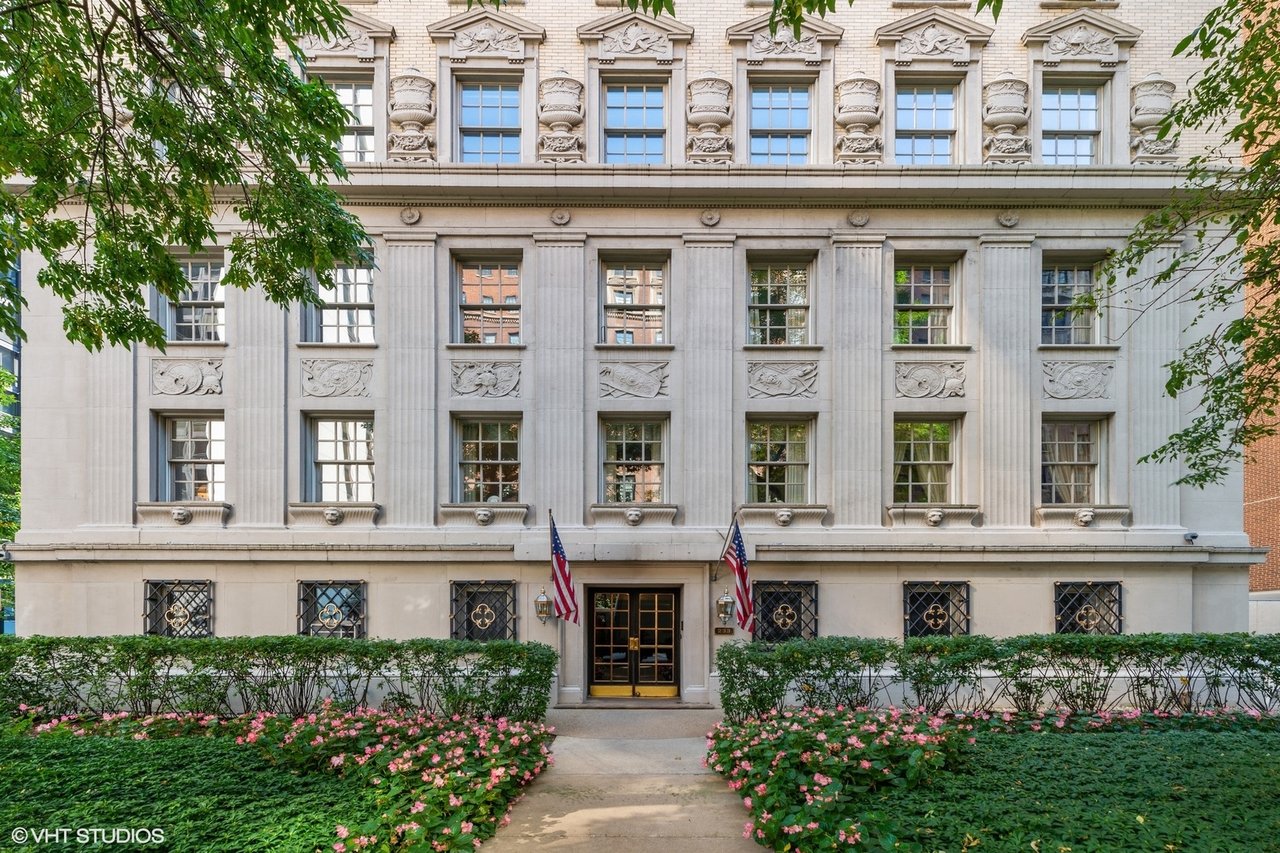
Historic buildings remain a major part of the neighborhood’s appeal. The Greenwood Row House District preserves early brick row houses built after the establishment of the University of Chicago, and the Robie House remains one of the city’s best-known residential landmarks.
That architectural mix gives Hyde Park a sense of permanence and texture. As you explore the area, you will likely notice a strong presence of masonry buildings, historic details, and established residential streets alongside larger multi-unit properties.
Who Hyde Park Often Appeals To
Hyde Park can be a strong fit if you want a neighborhood with a clear identity rather than a generic city experience. It often appeals to buyers and relocators who value culture, lake access, transit options, and a residential setting with steady foot traffic.
It may also suit you if you prefer a home base where daily life includes walks to museums, campus-adjacent amenities, restaurants, and the shoreline. The neighborhood’s appeal is less about flashy nightlife and more about depth, routine, and a strong sense of place.
If your search is focused on condo living, Hyde Park’s housing mix may line up well with your options. If you are set on a single-family home, it is smart to go in knowing inventory is much scarcer.
What to Keep in Mind Before You Move
The best way to think about Hyde Park is as a neighborhood of overlapping systems. Campus life, culture, parks, and housing all influence one another.
That creates a lifestyle that can feel both urban and residential at the same time. You get access to major institutions and public waterfront space, but the neighborhood still has a lived-in local rhythm anchored by residential blocks and established commercial corridors.
If that combination matches how you want to live, Hyde Park offers one of Chicago’s more distinctive neighborhood experiences. It is especially compelling if you want more than just an address and are looking for a place with clear daily patterns, cultural depth, and strong physical anchors.
If you are weighing where Hyde Park fits into your Chicago move, working with a team that understands how neighborhood lifestyle and housing stock connect can make the process much clearer. For tailored guidance on Chicago neighborhoods and condo opportunities, schedule a private consultation with Jonathon Spradling.
FAQs
What is Hyde Park in Chicago known for?
- Hyde Park is known for the University of Chicago, major cultural institutions, the 53rd Street corridor, and strong access to the lakefront, parks, and beaches.
What types of homes are most common in Hyde Park?
- Hyde Park is primarily a multi-unit housing market, with 62.9% of housing units in buildings with five or more units and a much stronger condo market than single-family home market.
How do you get from Hyde Park to downtown Chicago?
- Hyde Park is served by CTA buses, local campus shuttles, and the Metra Electric line, which provides a rail option for downtown access.
What are the main outdoor attractions in Hyde Park?
- Key outdoor attractions in Hyde Park include 57th Street Beach, Promontory Point, Jackson Park, and access to the Lakefront Trail.
Is Hyde Park a good fit if you want condo living in Chicago?
- Hyde Park can be a strong fit for condo buyers because the neighborhood’s housing stock and 2024 sales activity both show a market that is heavily oriented toward condos and larger multi-unit buildings.