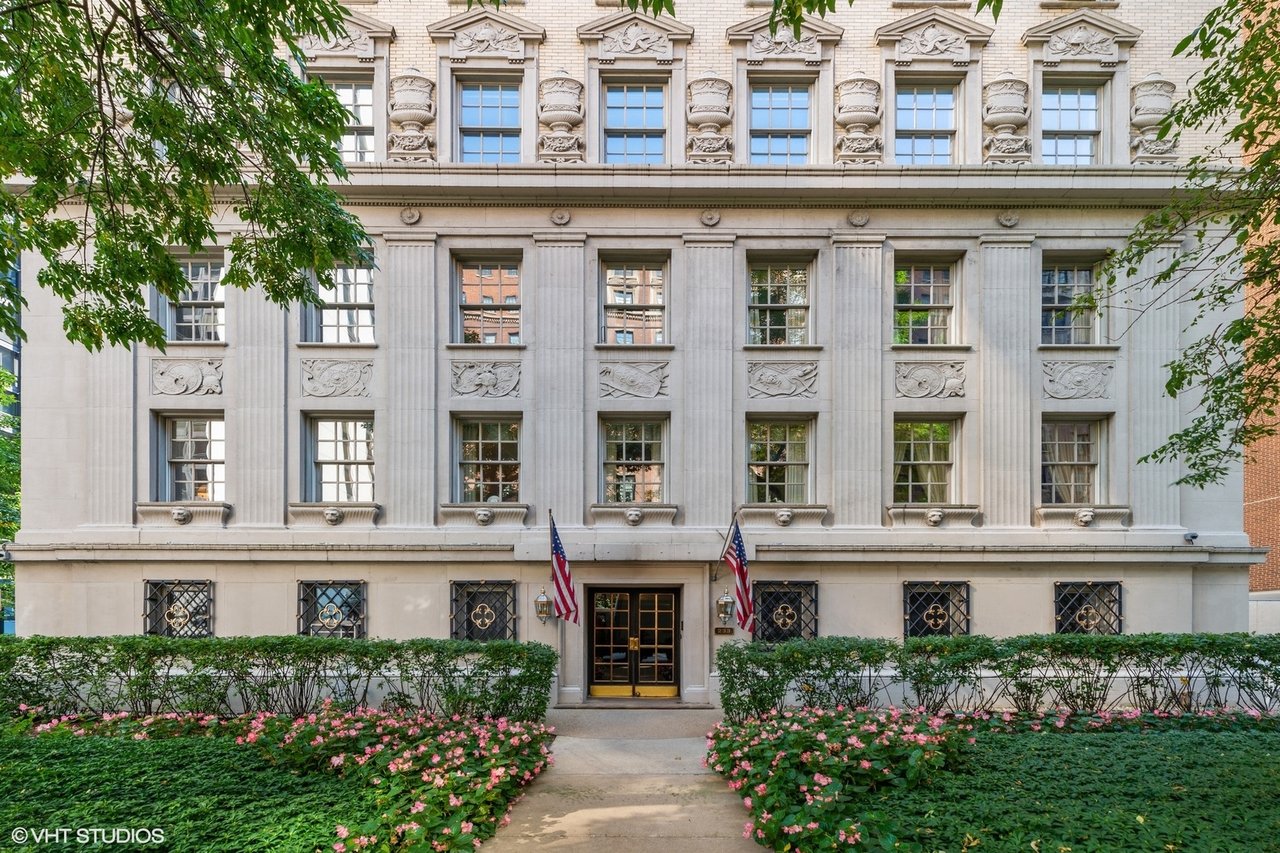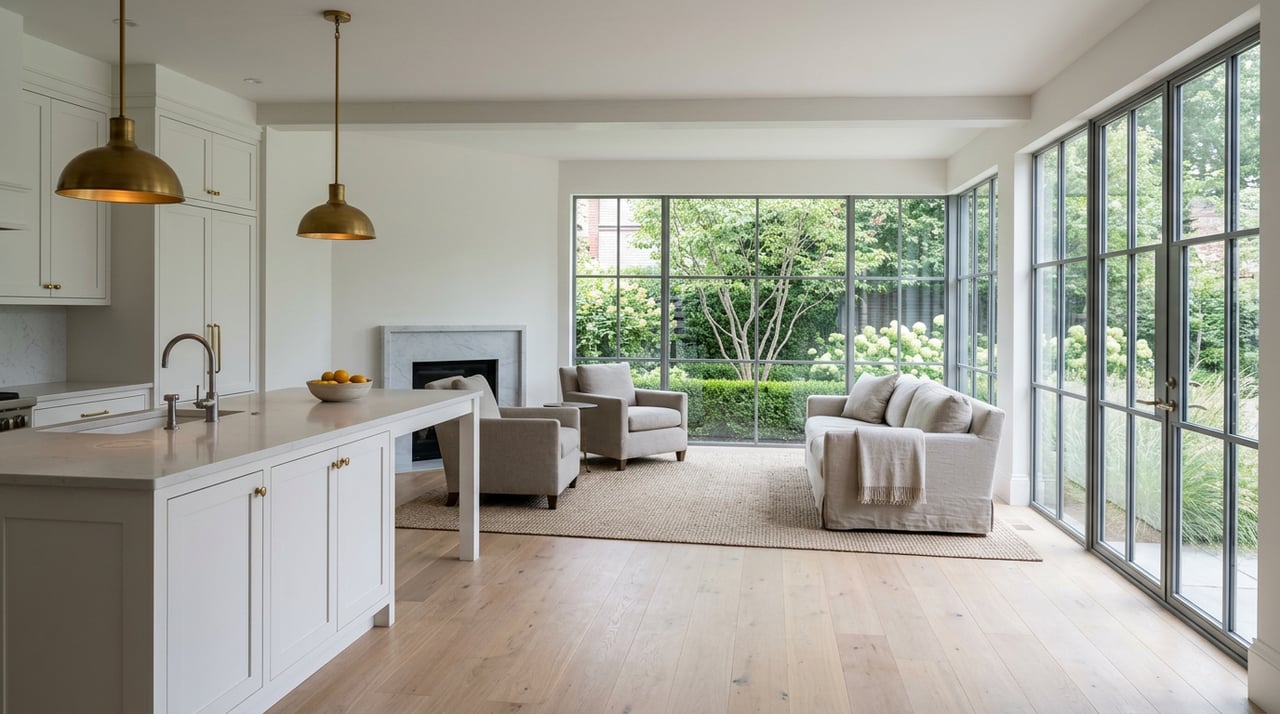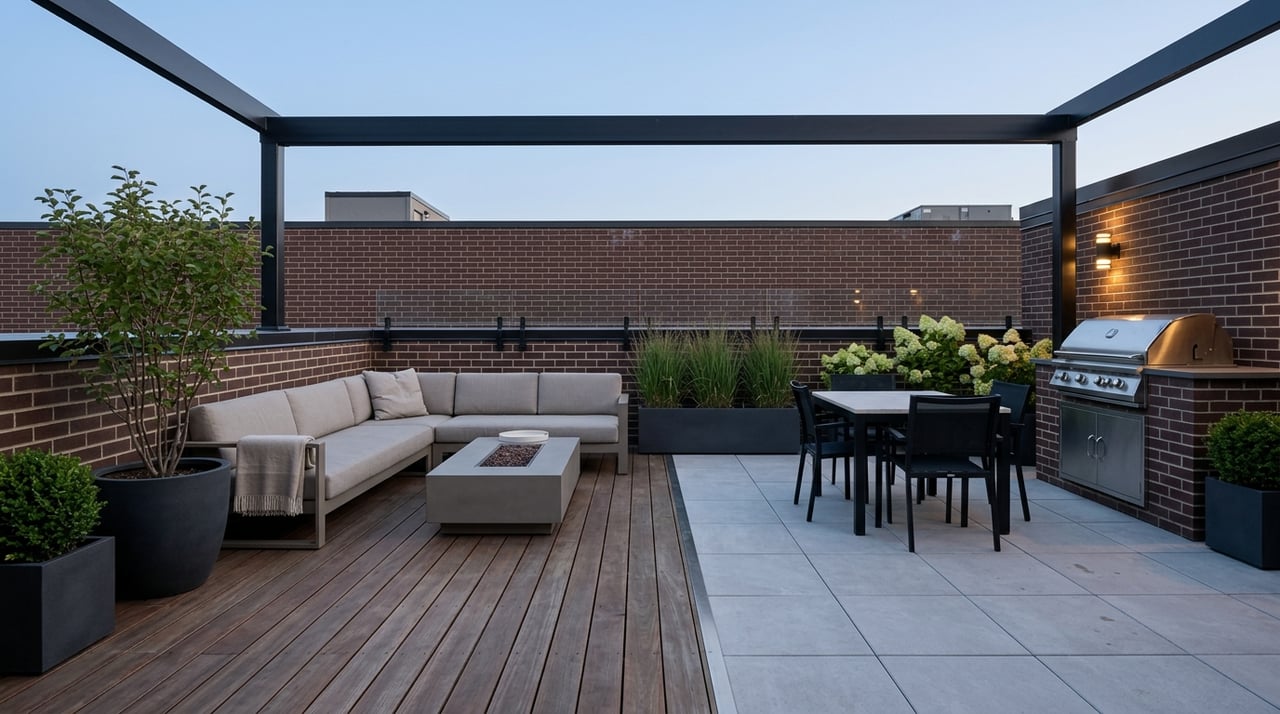
Outdoor space can change how a Lincoln Park home lives day to day. In a dense neighborhood where many homes are condos, townhomes, or multi-unit buildings, a rooftop deck, terrace, balcony, or patio can feel less like a bonus and more like an extra room. If you are buying or selling in Lincoln Park, this guide will help you understand what outdoor space really means here, what to verify before you move forward, and which features tend to stand out. Let’s dive in.
Why outdoor space matters in Lincoln Park
Lincoln Park is built for city living, and that shapes how buyers think about private outdoor space. CMAP reports about 67,987 residents and 33,772 households in the neighborhood, with an average household size of 1.9. It also notes that 45.5% of households are one-person households and 32.5% are two-person households.
That matters because many buyers are not looking for a large suburban yard. They are looking for outdoor space that feels useful, private, and easy to enjoy. In Lincoln Park, a well-planned terrace or rooftop retreat can support morning coffee, casual entertaining, container gardening, or simply a quiet break at the end of the day.
The housing mix also explains why these spaces get so much attention. CMAP’s 2020 to 2024 snapshot shows that 61.6% of housing units are in buildings with 5 or more units, while 10.7% are detached single-family and 8.9% are attached single-family. In other words, Lincoln Park buyers often compare homes where outdoor access is limited, shared, or highly design-driven.
Lincoln Park’s public setting adds to that appeal. The area is known for access to Lincoln Park, the Lakefront Trail, North Avenue Beach, the zoo, and the conservatory. Because outdoor living is already part of the neighborhood experience, private outdoor space often feels like a natural extension of daily life.
What outdoor retreats look like here
Lincoln Park has a mixed housing history, and that creates a wide range of outdoor setups. CMAP notes that 34.0% of units were built before 1940, 27.0% were built from 1970 to 1989, and 8.8% were built in 2010 or later. That mix helps explain why you may see vintage conversions, newer infill homes, and very different types of decks, patios, and terraces from one block to the next.
Common outdoor space types
In Lincoln Park, the most common outdoor retreats are usually compact and intentional. Depending on the building and ownership structure, you may come across:
- Balconies
- Terraces
- Rooftop decks
- Shared rooftop amenities
- Ground-level patios
- Smaller yard spaces
For many buyers, the goal is not square footage alone. The better question is how the space connects to the way you live inside the home.
Why functionality matters more than size
A smaller deck with direct access from the living room may feel more valuable than a larger rooftop space that is harder to reach. In an urban neighborhood, convenience often drives real use. If the outdoor area feels simple to access, comfortable to furnish, and easy to maintain, it is more likely to become part of your routine.
That is especially true in Lincoln Park, where the built environment is dense. CMAP’s land-use inventory shows 16.4% single-family residential, 18.2% multi-family residential, 10.3% open space, and 31.8% transportation and other uses. The takeaway is clear: private outdoor spaces here are often compact, so smart layout matters.
What buyers should verify first
When you tour a home with a rooftop or outdoor retreat, the visual impression is only one part of the story. In Lincoln Park, document review can be just as important as the showing itself.
Confirm ownership and use rights
Under Illinois condominium guidance, balconies, terraces, patios, and parking spaces may be treated as limited common elements. That means the space may be for your exclusive use, but it may not be owned in the same way as the interior of your unit. The declaration and bylaws control how the space is classified, used, and maintained.
Before you buy, confirm whether the outdoor area is:
- Part of the unit
- A limited common element for exclusive use
- A shared common amenity
This step matters because the answer affects maintenance, modification rights, and resale clarity.
Review maintenance responsibilities
Illinois condo guidance states that associations administer common elements through maintenance, repair, and replacement, while owners must comply with the governing documents. In practical terms, you want to know who handles issues tied to the outdoor space and who pays for them.
Ask clear questions about:
- Waterproofing
- Drainage
- Railing repair
- Structural upkeep
- Snow removal
- Surface maintenance
A rooftop deck can be a major lifestyle feature, but it is also part of the building system. Knowing where responsibility begins and ends can save you from surprises later.
Check modification rules
If you are already imagining planters, lighting, privacy screens, or built-in features, pause and review the rules first. Illinois condo guidance says unit owners generally need written board approval before modifying common or limited common elements.
That means even a space that feels private may come with limits on:
- Furniture type or placement
- Grill use
- Storage
- Planters
- Access rules
- Design changes
For buyers, this is a due diligence issue. For sellers, having clear documentation can make the property easier to present and easier for a buyer to understand.
Why roof decks need extra attention
Roof decks are often a major draw in Lincoln Park, but they deserve a more careful review than many buyers expect. A roof deck is not just an amenity. It can involve structural, permitting, and association considerations that go well beyond staging and views.
Structural and permit considerations
Chicago’s landmarks office reviews permit applications for work on designated landmarks and landmark districts, including building additions, rooftop additions, and roof decks when visibility from the public way matters. Pre-permit materials may require drawings, roof plans, photos, sight-line information, and sometimes engineering reports.
If a property is in a landmark district or has landmark status, that review process can affect changes to the space. Even when a rooftop retreat looks turnkey, it is wise to treat it as a documented structural feature, not just an attractive extra.
Clear documentation supports confidence
For buyers, strong documentation helps answer important questions about approvals, usage, and long-term upkeep. For sellers, it can reduce friction during negotiations and inspection. A roof deck does not automatically improve resale on its own, but a well-documented and easy-to-use one can make a meaningful difference.
Chicago weather shapes real value
Outdoor space in Lincoln Park is not judged only in perfect summer weather. It is judged across the year. Chicago’s 1991 to 2020 climate normals show a January average high of 31.6°F, a July average high of 84.5°F, and annual snowfall of 38.4 inches.
That seasonality changes what buyers value most. A space that is durable, protected, and low-maintenance often feels more practical than one that looks great for only a few weeks each year.
Features that support year-round appeal
In many cases, the strongest outdoor spaces offer:
- Reasonable shelter from wind and sun
- Materials that hold up well over time
- Straightforward maintenance
- Easy access from main living areas
- Enough privacy for daily use
These details help the space feel usable, not just decorative. In a neighborhood like Lincoln Park, that distinction can matter a lot.
What sellers should highlight
If you are listing a Lincoln Park home with a rooftop or outdoor retreat, presentation should focus on lifestyle and clarity. Buyers often respond best when they can quickly understand how the space fits into daily living.
Show how the space lives
Outdoor space tends to resonate most when it feels like an extension of the home. A terrace off the living area, a roof deck set up for entertaining, or a patio with room for dining can help buyers picture everyday use. The goal is to show function, not just existence.
Because Lincoln Park already offers access to major public green space and lakefront amenities, private outdoor areas are often valued for convenience. Buyers may see them as spaces for entertaining, gardening, relaxing, or stepping outside without leaving home.
Lead with clarity
Clear ownership rights, straightforward access, and understandable rules can strengthen buyer confidence. On the other hand, vague HOA control, difficult access, or heavy maintenance demands may weaken appeal.
That is one reason polished marketing matters. When a home’s outdoor story is presented clearly and accurately, buyers can better understand the value and compare it with other Lincoln Park options.
How to evaluate outdoor space like a local expert
In a neighborhood filled with condos and attached homes, the best outdoor retreat is usually the one that fits your lifestyle and comes with clear answers. It may be a rooftop deck with skyline views, a private terrace off the main level, or a smaller balcony that simply makes daily life better.
As you compare homes in Lincoln Park, focus on more than the photo moment. Pay attention to ownership, approvals, maintenance, weather practicality, and how naturally the space connects to the home. Those details often separate an eye-catching feature from a truly valuable one.
If you are planning a move in Lincoln Park and want a thoughtful, high-touch strategy for buying or selling a home with standout outdoor space, Jonathon Spradling can help you evaluate the details and position your next move with confidence.
FAQs
What counts as outdoor space in a Lincoln Park condo?
- In Illinois condo practice, balconies, terraces, and patios can be limited common elements, but the declaration and bylaws determine whether the space is exclusive-use or shared.
Do Lincoln Park condo owners need board approval to change outdoor space?
- Usually yes. Illinois condo guidance says written board approval is generally required before modifying common or limited common elements.
Do Lincoln Park roof decks always improve resale value?
- Not automatically. Buyer appeal usually depends on usability, privacy, maintenance demands, and whether the space is clearly permitted and documented.
How does Chicago weather affect Lincoln Park outdoor spaces?
- Chicago’s climate includes cold winters, warm summers, and measurable snowfall, so durable, sheltered, and easy-to-maintain outdoor spaces often feel more usable over time.
Do landmark rules affect Lincoln Park rooftop additions and roof decks?
- Yes. If a property is in a landmark district or has landmark status, rooftop additions and roof decks may receive additional review, especially when visible from the public way.