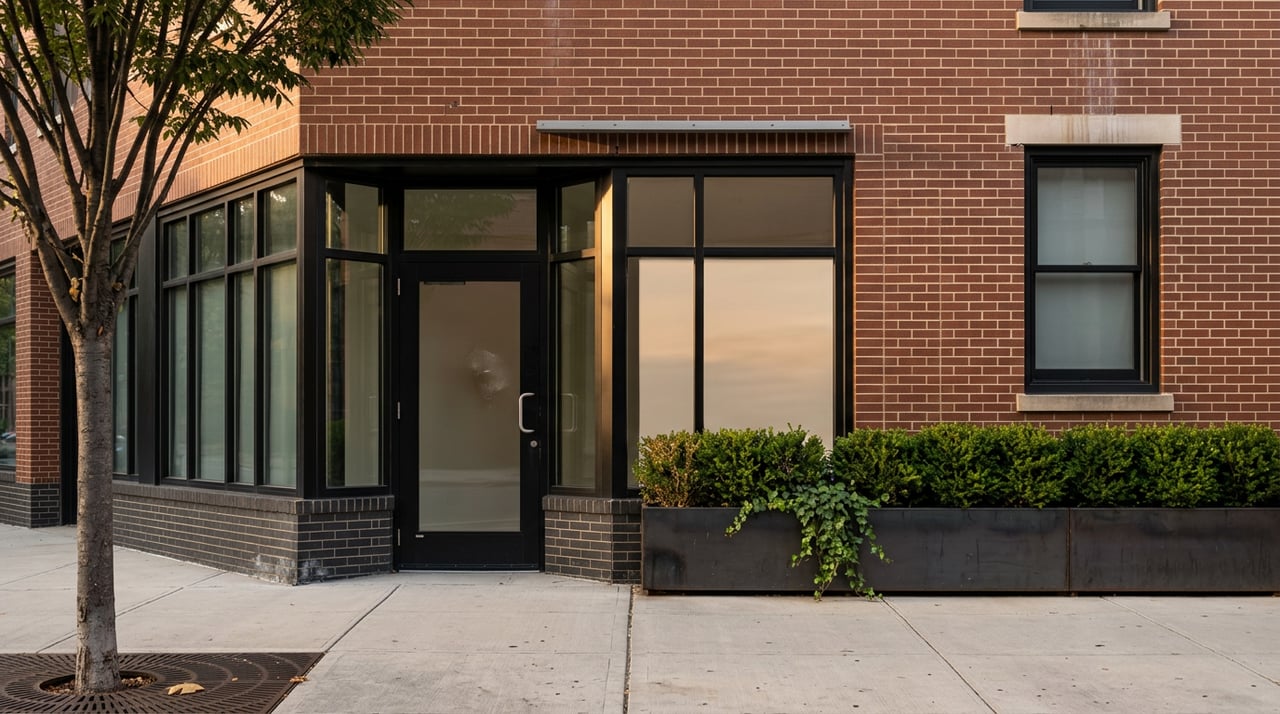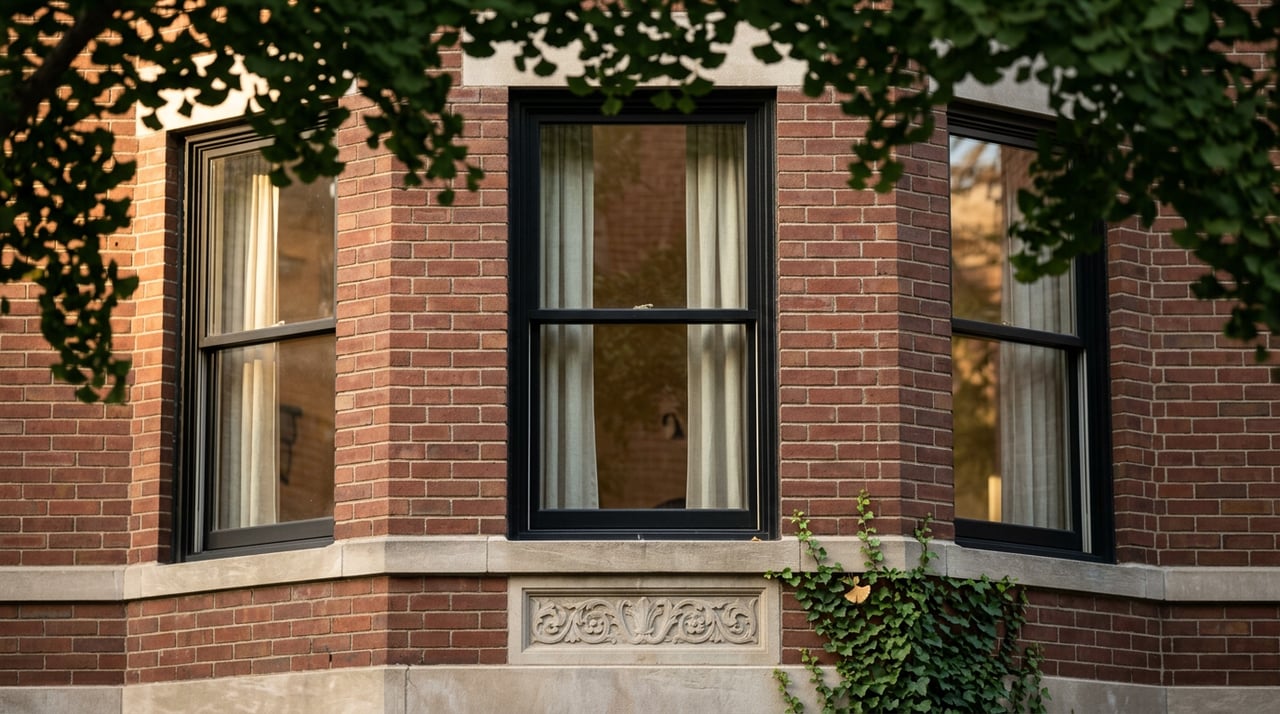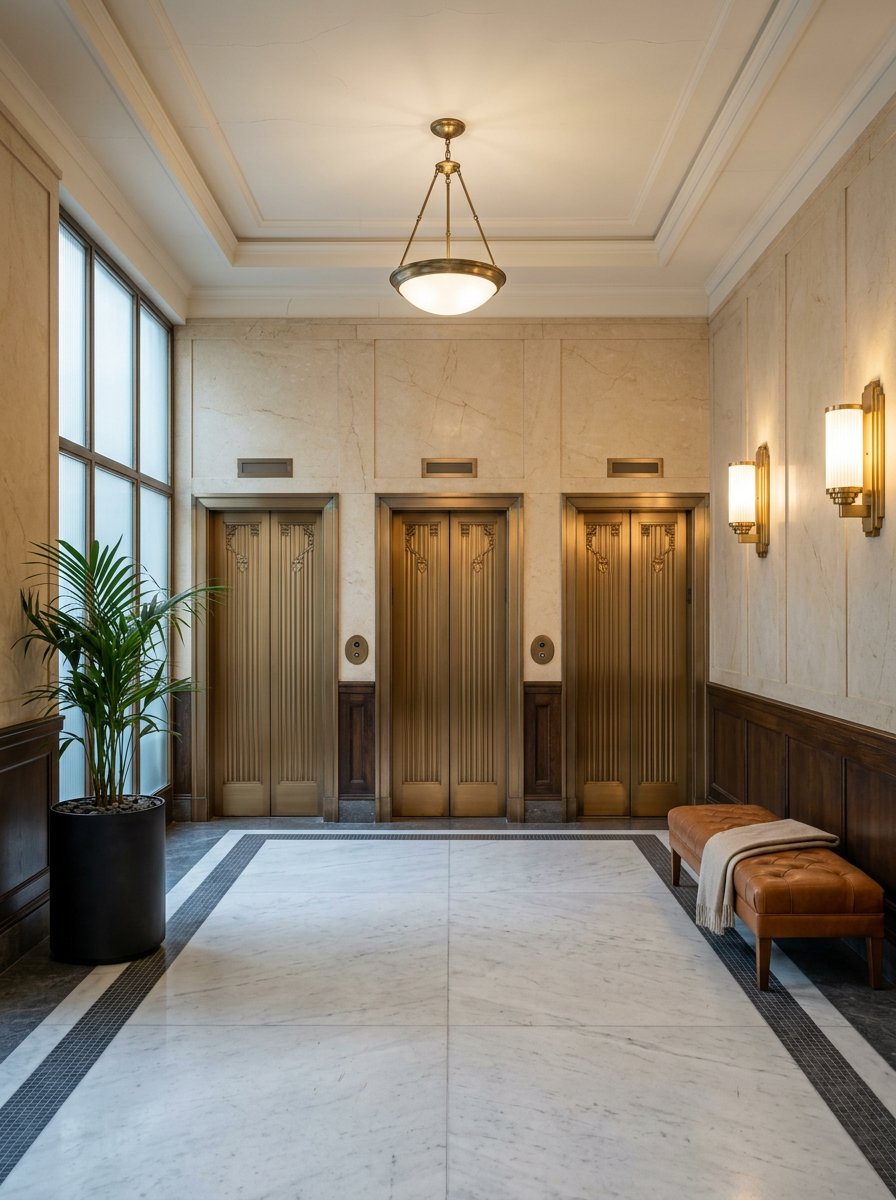
If you are drawn to marble lobbies, lake views, and the quiet confidence of a prewar address, the Gold Coast’s historic high‑rises may be calling your name. You want character without guesswork, service without surprises, and a clear plan to finance and renovate well. In this guide, you will learn how these buildings work, what to ask before you write an offer, and how to balance lifestyle perks with practical realities. Let’s dive in.
Why buyers love historic Gold Coast towers
Vintage Gold Coast buildings deliver a sense of place you cannot replicate. You get gracious room sizes, classic architectural details, and walkable blocks near the lake. Many older co‑ops also offer attentive door staff and a quieter, residential feel.
For example, the Benjamin Marshall–designed co‑op at 999 N. Lake Shore Drive shows how small‑unit, high‑service co‑ops were built in the early 20th century. Compare that lifestyle to newer glass towers and you will see meaningful differences in services, floor plans, and ownership rules.
What “historic” means in the Gold Coast
The Gold Coast Historic District is listed on the National Register of Historic Places. That listing recognizes the area’s significance and explains why you see so many prewar mansions and early high‑rises. You can review the district’s background on the National Register listing.
Here is the key distinction you should know:
- National Register listing is honorary for private owners and does not by itself restrict exterior work.
- Local Chicago Landmark designation or inclusion in a Chicago Landmark District can trigger permit reviews for certain exterior changes. Confirm a building’s status before you plan exterior work.
Co‑op vs. condo: how ownership works
Many historic Gold Coast high‑rises are cooperatives. When you buy a co‑op, you purchase shares in a corporation that owns the building and receive a proprietary lease to occupy the unit. Lenders underwrite you and the co‑op’s financial health, and loans are secured by your shares, not a recorded deed. Fannie Mae’s guidance outlines how cooperative share loans are documented and evaluated, which is different from a standard condo mortgage. See the co‑op overview in Fannie Mae’s cooperative eligibility documentation.
In a condo, you own real property and your lender underwrites you and the condo project, but there is no proprietary lease or shareholder structure.
Board approval and common building rules
Most prewar co‑ops are governed by an elected board. Expect a board package with financial documents, employment verification, references, and an interview. Timelines vary, so build extra time into your closing plan.
Common policies you will see in vintage co‑ops:
- Subletting limits and investor restrictions.
- Renovation rules that require board approval and licensed contractors.
- Possible transfer fees or flip taxes.
- Higher qualifying standards for buyers than a lender might require.
Tip: Monthly co‑op maintenance often bundles property taxes, heat, some utilities, and staff costs. Compare total monthly carry, not just the headline assessment.
Financing realities for co‑ops and vintage towers
Co‑op loans are a specialized product. Not all lenders offer them, and those that do must follow program rules that include a review of the building’s financials and governance. Fannie Mae requires specific documentation and approvals for cooperative share loans, which narrows the lender field. Review the framework in Fannie Mae’s cooperative loan guide and complementary project‑level considerations in Freddie Mac’s multifamily project underwriting chapter.
Down payment and liquidity expectations
Many older, higher‑service co‑ops require larger down payments, often 20 to 30 percent, and proof of post‑closing liquidity. These board rules can exceed what a mortgage underwriter needs. Ask for the building’s written buyer standards early so you know exactly what to prepare.
Project eligibility can make or break a loan
After high‑profile failures in other markets, Fannie Mae updated its project‑review rules. Lenders now flag buildings with unresolved structural issues, large special assessments, insufficient reserves, or other red flags. If a project is listed as ineligible in Fannie Mae’s review systems, conventional financing may not be available. Read the highlights in Fannie Mae’s Lender Letter LL‑2021‑14 and related guidance. The takeaway is simple: confirm a lender is comfortable with the building, not just your personal credit.
Building health, assessments, and physical risks
Older high‑rises can be remarkably solid, but age brings maintenance needs you should understand. Focus on these items during due diligence.
Documents to request
- Current operating budget and monthly maintenance schedule.
- Reserve study, reserve balance, and funding policy.
- Audited or year‑end financials and a delinquency report.
- Meeting minutes for the past 6 to 12 months to spot planned projects, assessments, or litigation. These are commonly reviewed by lenders under the updated Fannie Mae project guidance.
- Insurance certificates for the building’s master policy.
- Any engineering, roof, or façade reports and timelines for capital projects.
- For co‑ops, details of any underlying mortgage and your unit’s share of that debt.
Financial red flags
- Large or recurring special assessments.
- Low or negative reserves.
- High owner delinquency.
- Unresolved structural or safety repairs, or active litigation related to the building.
Fannie Mae’s project‑eligibility rules call out these items because they can affect both safety and financing eligibility. See the summary in the LL‑2021‑14 guidance.
Physical risk points in vintage towers
Common issues include aging elevators, boilers, and mechanical systems, original plumbing stacks, and single‑pane windows with poor thermal performance. Exterior masonry and terra‑cotta façades often need cyclical repair. Chicago requires periodic exterior‑wall inspections for taller buildings. Ask for the most recent façade report, any required repairs, and related permits. For a national overview of façade‑inspection programs, review this facade inspection ordinance resource.
Preservation rules and incentives
If a building is listed on the National Register, that alone does not restrict a private owner’s exterior work unless federal funds or permits are involved. If a property is a designated Chicago Landmark or in a local landmark district, certain exterior changes may require review and a Certificate of Appropriateness. Always verify the building’s status with the Commission on Chicago Landmarks before planning exterior work.
You may hear about historic tax credits. The federal Historic Rehabilitation Tax Credit is a 20 percent credit for certified historic, income‑producing properties. It does not apply to owner‑occupied residences. Learn more from the National Park Service tax incentive overview.
Some cities offer local incentives, such as permit‑fee reductions or façade grants for designated landmarks. Program details change, so confirm current Chicago policies and application steps with the city. For context, review this summary of preservation incentives and fee considerations.
A focused due‑diligence game plan
Use this checklist to streamline your purchase process and avoid surprises.
- Clarify ownership and rules
- Confirm whether the building is a co‑op or condo and obtain the proprietary lease or condo declaration.
- Ask for the written buyer‑qualification standards, including down payment, debt‑to‑income, post‑closing liquidity, and interview process.
- Pre‑screen financing
- Identify at least one lender that actively finances this specific building and unit type.
- If you depend on conforming financing, ask the lender to confirm the project is not flagged as ineligible under Fannie Mae’s updated project guidance.
- Review financial health
- Request audited financials, current budget, reserve study, and reserve balance.
- Ask about any outstanding or planned special assessments within 12 to 36 months and how they are allocated.
- Verify physical condition and safety
- Collect recent engineering and façade reports, dates of last exterior‑wall inspection, and any mandated repairs.
- Ask for elevator modernization history, boiler and central‑plant age, roofing, and waterproofing records.
- Check legal and insurance items
- Inquire about any litigation or code‑compliance actions affecting the building.
- Review the building’s master insurance policy and deductibles.
- For co‑ops, document any underlying mortgage and your unit’s share of it.
- Understand permits and preservation
- Confirm whether the property is a Chicago Landmark or within a landmark district and what approvals are needed for exterior work.
- Model total cost of ownership
- Compare monthly carry apples to apples. Co‑op maintenance often includes taxes and utilities, which can make comparisons to condo assessments misleading if you only look at one line item.
- Plan renovations thoughtfully
- If you intend to renovate, outline scope, confirm board rules, and estimate timelines that account for board approvals and any required city or landmark reviews.
Trade‑offs at a glance
Every building choice is a trade. Knowing yours upfront helps you choose confidently.
Pros you may value
- Architectural character, lake and tree‑lined streets, and a refined service culture.
- Often larger room sizes and gracious floor plans than newer equivalents.
- In some cases, lower asking prices per square foot compared with new construction, noting that co‑op maintenance may include taxes and utilities.
Risks to weigh
- Stricter board controls on buyers, renovations, and subletting that can reduce resale flexibility.
- A narrower pool of lenders for cooperative share loans and project‑level reviews that can affect financing. See Fannie Mae’s updated project rules.
- Potential for special assessments to fund deferred maintenance or major capital projects.
- Possible landmark‑related permit steps that add time and cost to exterior changes.
How we help you buy with confidence
You deserve the charm and stature of a historic address without uncertainty. Our team brings a consultative, step‑by‑step approach to vintage high‑rises and co‑ops: we help you pre‑screen financing options, organize building documents, coordinate with your attorney and lender, and frame renovation and ownership costs clearly. You get boutique, hospitality‑level service backed by the market reach of a major brokerage.
If you are considering a historic Gold Coast high‑rise, let’s build a plan tailored to your goals and timeline. Connect with Jonathon Spradling to schedule a private consultation.
FAQs
What is the difference between National Register status and a Chicago Landmark?
- National Register listing is honorary for private owners, while local Chicago Landmark designation can add permit reviews for certain exterior work; confirm status before planning changes and see the National Register listing for the Gold Coast District for context.
How does co‑op financing differ from a condo mortgage?
- Co‑ops use share loans secured by your shares and proprietary lease, and lenders also evaluate the co‑op’s financials; review Fannie Mae’s cooperative loan guidance for documentation differences.
What documents should I review before offering on a vintage Gold Coast unit?
- Ask for audited financials, current budget, reserve study and balance, recent meeting minutes, insurance, engineering and façade reports, and for co‑ops, details on any underlying mortgage; these align with Fannie Mae’s project‑review focus.
Do federal historic tax credits apply to owner‑occupied homes?
- No. The 20 percent federal Historic Rehabilitation Tax Credit applies only to certified historic, income‑producing properties; see the National Park Service overview.
What building issues can derail conventional financing on a condo or co‑op?
- Unresolved structural or safety problems, large special assessments, low reserves, or other red flags can make a project ineligible for conforming loans under Fannie Mae’s updated rules; verify project eligibility early with your lender.