By Spradling | Roberts Team
Chicago is one of the hardest cities in the country on homes. Temperatures swing from below zero in January to the high eighties in July, and the freeze-thaw cycles in between do more structural damage than most homeowners account for. We've worked with buyers and sellers across Lincoln Park, the Gold Coast, River North, and beyond, and the homes that hold their value — and sell quickly when the time comes — are the ones with a consistent maintenance history. Here's the annual checklist we share with every client.
Key Takeaways
-
Chicago's climate creates specific seasonal maintenance priorities that differ from warmer markets.
-
Deferred maintenance compounds quickly — small issues caught early cost a fraction of what they cost ignored.
-
A documented maintenance history is a genuine selling asset in Chicago's luxury market.
-
The most important maintenance categories are roof, HVAC, exterior envelope, and plumbing.
Spring: Post-Winter Assessment
Spring is the most critical maintenance season in Chicago. Winter's freeze-thaw cycles, ice damming, and salt exposure leave damage that needs to be identified and addressed before it worsens through the wet spring months.
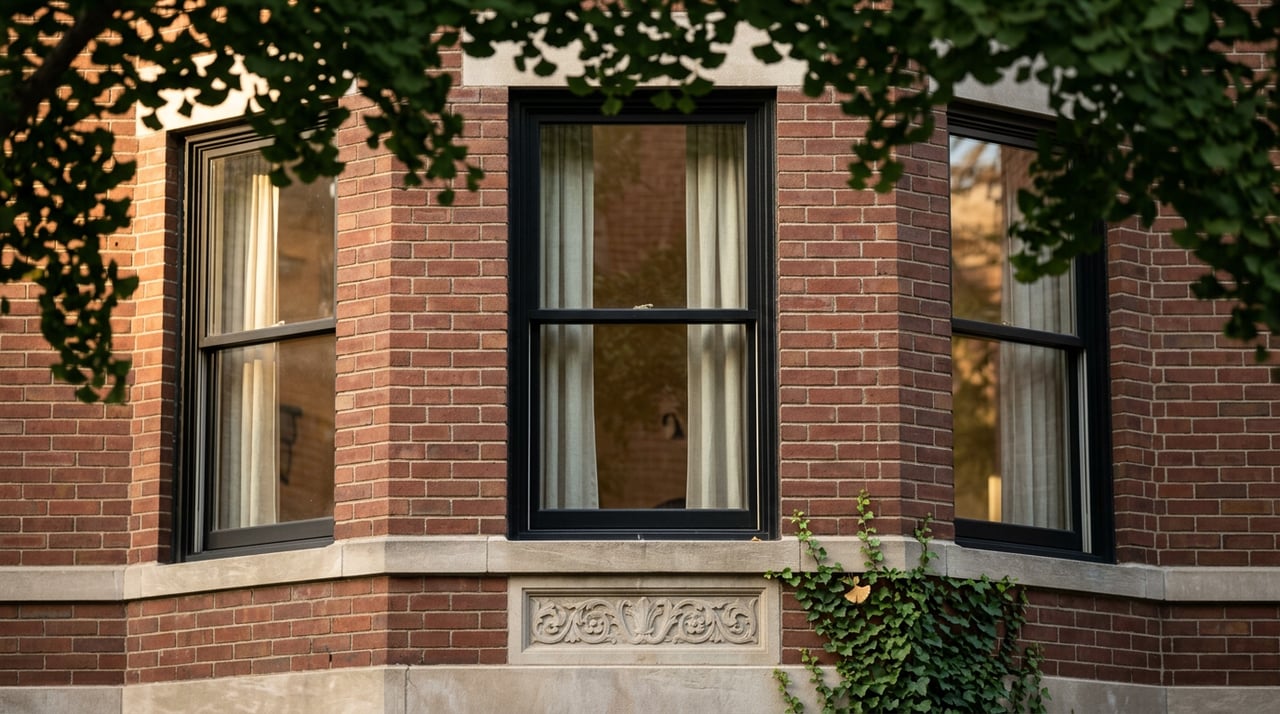
Walk the exterior perimeter and look for caulking failures around windows and doors, cracks in masonry and concrete, and any areas where water may have infiltrated. Inspect the roof — or hire a professional to do it — for missing or damaged shingles, compromised flashing, and gutter damage from ice. In Chicago's greystone and brick homes, tuckpointing is a recurring maintenance item; failing mortar allows water infiltration that causes serious structural damage over time.
Walk the exterior perimeter and look for caulking failures around windows and doors, cracks in masonry and concrete, and any areas where water may have infiltrated. Inspect the roof — or hire a professional to do it — for missing or damaged shingles, compromised flashing, and gutter damage from ice. In Chicago's greystone and brick homes, tuckpointing is a recurring maintenance item; failing mortar allows water infiltration that causes serious structural damage over time.
Spring Maintenance Priorities
-
Inspect and clean gutters after winter; check for ice damage and sagging
-
Walk the exterior for caulking failures, masonry cracks, and signs of water infiltration
-
Schedule a roof inspection and address any flashing or shingle damage
-
Test the A/C system before warm weather arrives; replace HVAC filter
-
Check window and door seals and recaulk anywhere winter has caused gaps
Summer: Systems and Exterior Upkeep
Summer is the time for exterior projects while weather cooperates and for ensuring cooling systems are performing. It's also when Chicago's humidity can stress homes — particularly basements and below-grade spaces in older buildings.
Check the dehumidifier function in basements and crawl spaces. Inspect deck and patio surfaces for winter damage and seal or stain wood surfaces that show weathering. Clean dryer vents, which are a fire hazard when blocked. Schedule chimney cleaning and inspection if the fireplace gets regular use — a common feature in Chicago's classic greystone and vintage single-family homes.
Check the dehumidifier function in basements and crawl spaces. Inspect deck and patio surfaces for winter damage and seal or stain wood surfaces that show weathering. Clean dryer vents, which are a fire hazard when blocked. Schedule chimney cleaning and inspection if the fireplace gets regular use — a common feature in Chicago's classic greystone and vintage single-family homes.
Summer Maintenance Priorities
-
Service the air conditioning system and clean or replace filters
-
Inspect and maintain deck, patio, and exterior wood surfaces
-
Clean dryer vent thoroughly
-
Check sump pump function before heavy summer rain season
-
Inspect and clean chimney if applicable; check damper operation
Fall: Winterization Before the Cold Hits
Fall maintenance in Chicago is about preventing the cold from doing damage. Winterization is not optional in a city where temperatures routinely drop below zero — it's the most cost-effective maintenance investment a homeowner can make.
Disconnect and drain exterior hose bibs before the first hard freeze. Service the furnace and replace HVAC filters. Have the heating system inspected by a licensed HVAC professional if it hasn't been serviced recently. Seal any gaps around exterior penetrations — where pipes, wires, and cables enter the building — that could allow cold air infiltration or pest entry.
Disconnect and drain exterior hose bibs before the first hard freeze. Service the furnace and replace HVAC filters. Have the heating system inspected by a licensed HVAC professional if it hasn't been serviced recently. Seal any gaps around exterior penetrations — where pipes, wires, and cables enter the building — that could allow cold air infiltration or pest entry.
Fall Maintenance Priorities
-
Service furnace and replace HVAC filter; check carbon monoxide detectors
-
Disconnect and drain all exterior hose bibs before the first freeze
-
Clean gutters after leaves fall; confirm downspouts direct water away from the foundation
-
Seal exterior gaps around pipes, cables, and other penetrations
-
Test smoke and carbon monoxide detectors; replace batteries
Winter: Ongoing Monitoring
Winter in Chicago is not a maintenance-free season. Ice damming on roofs, pipe freezing risks in exterior walls, and salt damage to concrete and masonry all require active monitoring during the coldest months.
Keep attic insulation levels assessed — ice dams form when heat escapes through the roof and melts snow that refreezes at the eaves. In Chicago homes, particularly older buildings with less-than-ideal attic insulation, this is a recurring issue. Monitor any pipes in exterior walls during extreme cold snaps and know where the main water shutoff is located in case of a burst.
Keep attic insulation levels assessed — ice dams form when heat escapes through the roof and melts snow that refreezes at the eaves. In Chicago homes, particularly older buildings with less-than-ideal attic insulation, this is a recurring issue. Monitor any pipes in exterior walls during extreme cold snaps and know where the main water shutoff is located in case of a burst.
Winter Ongoing Monitoring
-
Watch for ice dam formation on eaves after heavy snow
-
Monitor exterior-wall pipes during temperature extremes below zero
-
Keep driveway and walkways clear of ice accumulation to protect concrete surfaces
-
Avoid using rock salt on concrete — it causes spalling; use sand or calcium chloride
-
Check basement and below-grade spaces for moisture intrusion after freeze-thaw cycles
Frequently Asked Questions
How much should I budget annually for home maintenance in Chicago?
A widely used rule of thumb is 1–2% of the home's value per year for maintenance. In Chicago's climate, we tend to recommend budgeting toward the higher end of that range, particularly for older homes in neighborhoods like Old Town, Lincoln Square, and Logan Square where building systems are aging.
Does maintenance history actually affect a home's sale price in Chicago?
Yes, meaningfully. Buyers and their inspectors in Chicago's luxury market look for documented maintenance — furnace service records, roof inspection reports, recent tuckpointing work. A home with clear maintenance documentation commands buyer confidence, which translates to stronger offers and faster sales.
What's the single most important maintenance item for a Chicago home?
The HVAC system. In a climate with extremes at both ends of the thermometer, a properly maintained heating and cooling system is the most important mechanical element in the home. Annual service, regular filter changes, and prompt attention to any performance issues protect both comfort and value.
Reach Out to the Spradling | Roberts Team Today
Keeping a Chicago home in excellent condition is one of the best investments a homeowner can make — in daily quality of life and in long-term value. We work with buyers and sellers across Chicago's top neighborhoods and bring real local market knowledge to every conversation.
Reach out to us at the Spradling | Roberts Team and let's talk about your home and your goals.
Reach out to us at the Spradling | Roberts Team and let's talk about your home and your goals.